Curly Hair and Coloring: How to Keep Your Curls Healthy After Color Treatment
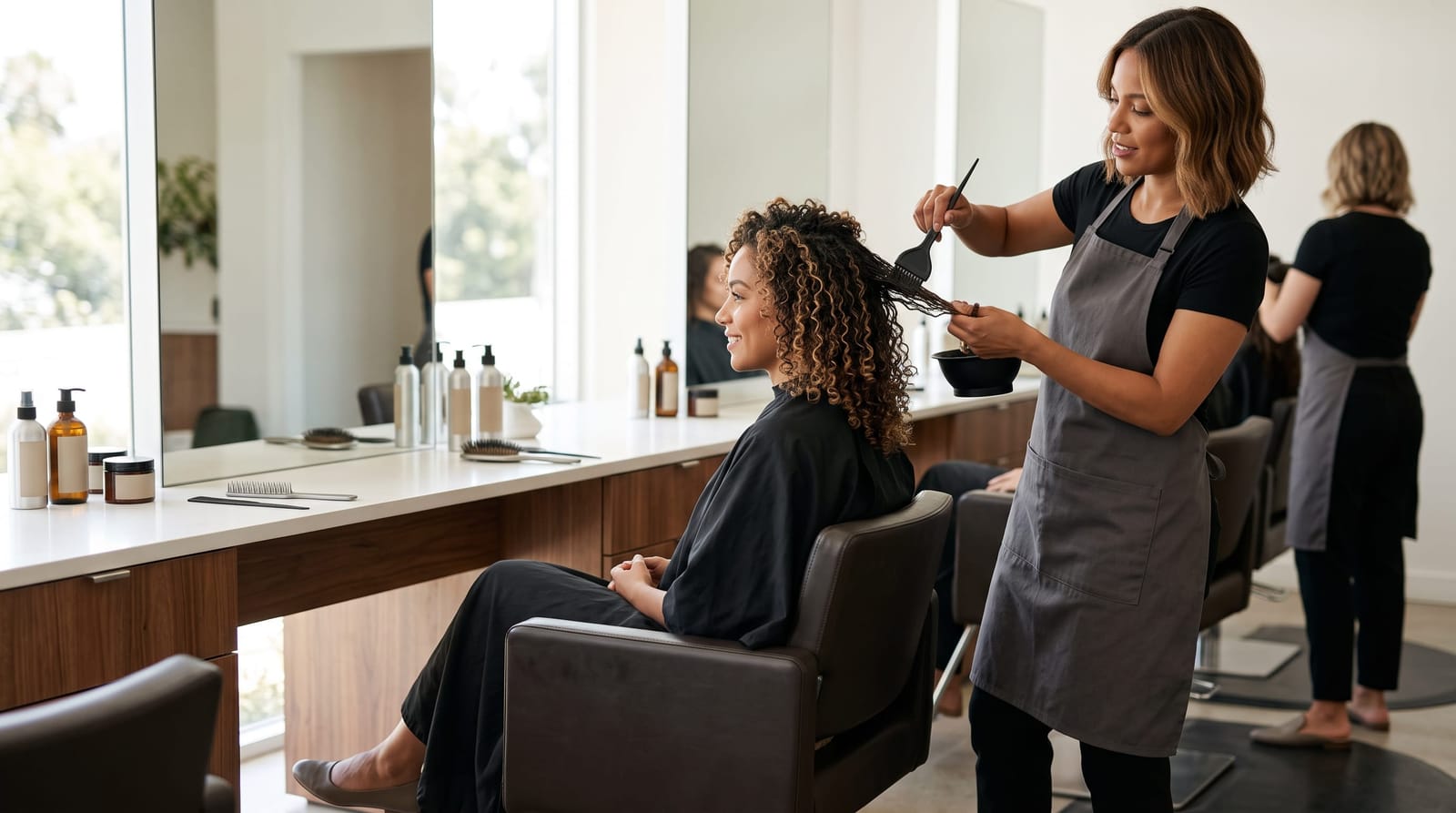
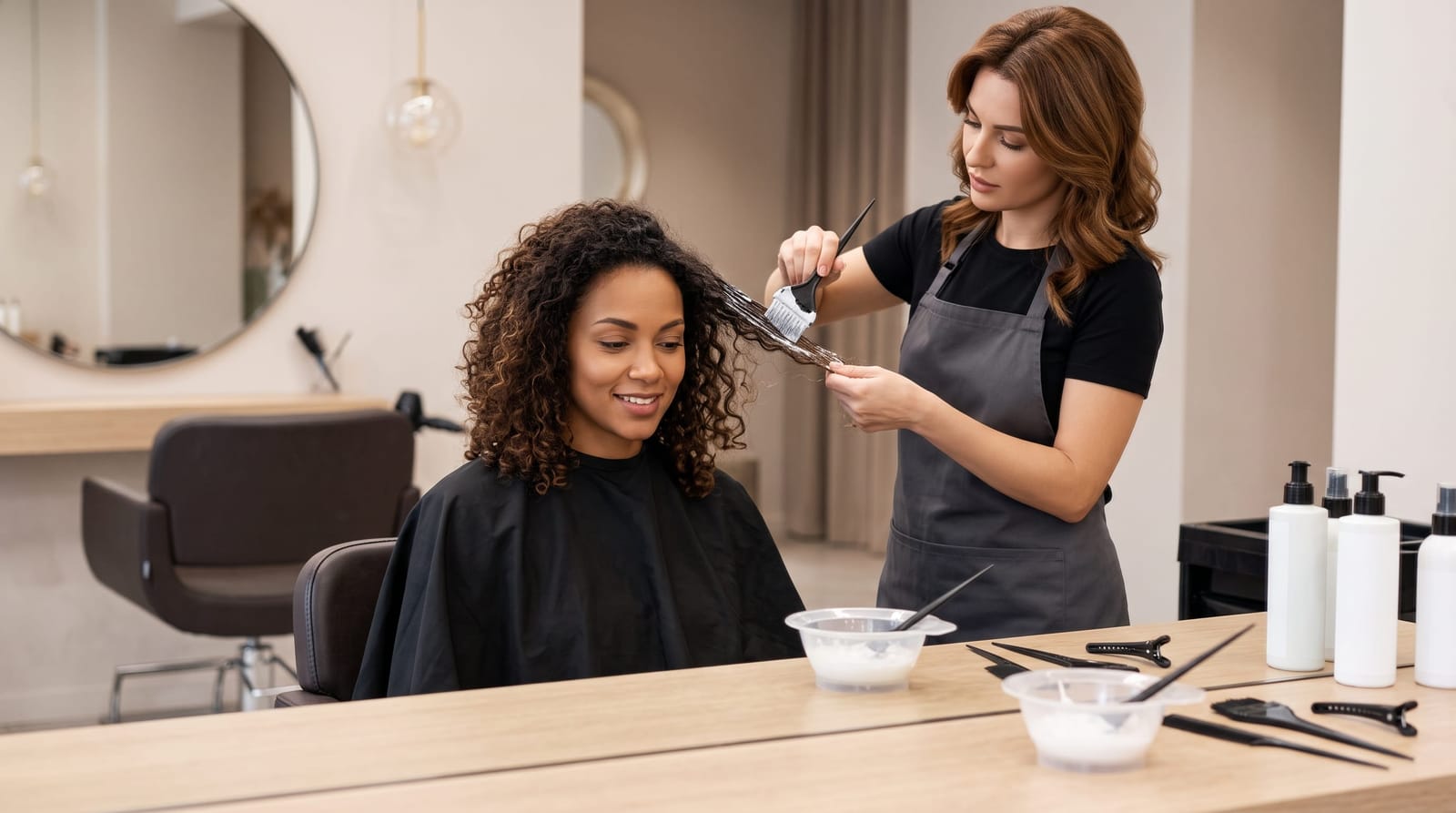
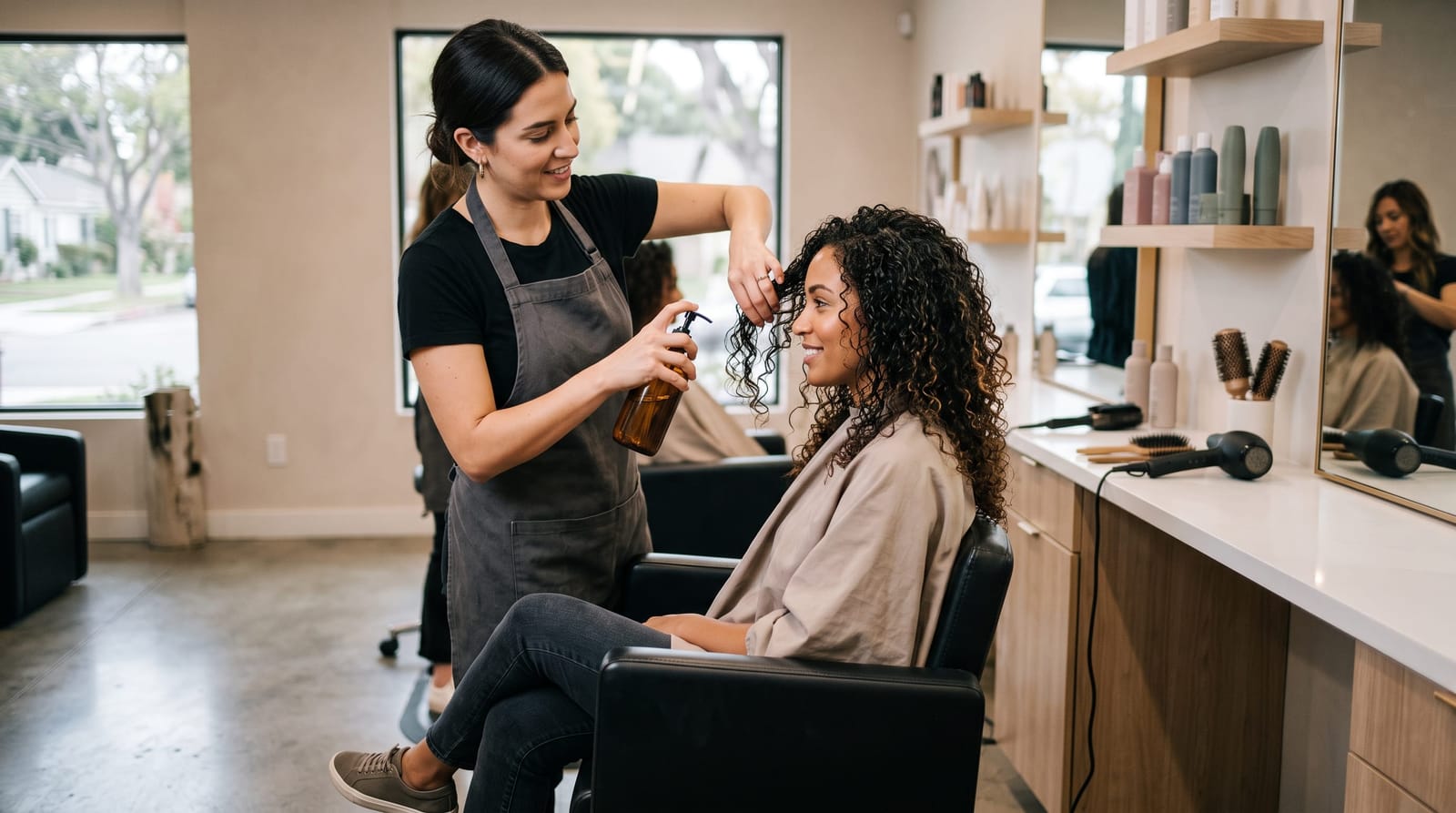
Getting highlights on curly hair is one of the most beautiful things you can do for your look, but the work doesn't stop when you leave the salon chair. Curly and wavy hair has a naturally drier structure than straight hair, which means it needs a little extra attention after color services to stay bouncy, defined, and healthy. Whether you just had your first set of highlights or you're a seasoned color client, this guide walks you through the best post-color care options so your curls stay as gorgeous as the day they were done.
Why Curly Hair Needs a Different Post-Color Approach
Curly hair's spiral or "S" and "C" shape structure means the cuticle layer is naturally lifted at every bend: making it more porous than straight hair even before color is applied. Add a highlighting or balayage service, and that porosity increases further. The result? Color can fade faster, curls can feel dryer, and definition may suffer if you don't actively restore moisture and protein balance.
According to hair care research, curly hair can lose up to 30% more moisture than straight hair under the same conditions, and color-treated curly hair requires moisture replenishment more frequently than untreated curls. This isn't a reason to skip highlights: it's simply a reason to care for your curls intentionally after the appointment. The good news is that the right routine makes a significant difference, and you have several excellent options to choose from.
Option 1: Protein Treatments for Curl Rebuilding
Protein treatments are one of the most effective first steps after color, particularly if you had highlights applied on finer curl textures or had multiple sessions close together. Color services work by temporarily opening the hair cuticle, and when the cuticle doesn't fully close, curls can feel limp, stretchy, or undefined. A protein treatment helps rebuild that structural integrity.
Here's what to know about protein treatment options:
- Light protein treatments (available in most salon-grade product lines) are ideal after a single highlight session and can be used every 2 to 4 weeks.
- Strengthening protein masks are better suited for hair that has had multiple color services and is showing signs of elasticity loss: stretched or limp curls that don't spring back.
- Keratin-infused conditioners offer a gentler middle ground, delivering small amounts of protein with every wash without the risk of protein overload.
One important note: too much protein without balanced moisture can make curls feel stiff and brittle. The goal is balance, not saturation. A skilled curly hair colorist can assess your curl's current protein-moisture balance and recommend the right treatment level for your specific texture.
Option 2: Deep Conditioning Routines Tailored to Color-Treated Curls
Deep conditioning is non-negotiable for highlights on curly hair: the question is simply which approach fits your hair's needs and your lifestyle.
- Weekly deep conditioning masks (left on for 20 to 30 minutes) are the gold standard for color-treated curls. Look for formulas featuring ingredients like shea butter, aloe vera, hyaluronic acid, or rice water, which help replenish moisture at the cortex level.
- Leave-in conditioners used after every wash help maintain hydration between deeper treatments and protect the cuticle from environmental dryness, especially relevant in coastal climates like Marina Del Rey and Santa Monica where salt air can be dehydrating.
- Overnight conditioning treatments are a powerful option for curls that feel particularly dry or frizzy post-color. Apply a generous layer of a moisture-rich mask before bed, cover with a silk cap, and rinse in the morning for noticeably softer, more defined curls.
As a general guideline, most color-treated curly hair benefits from at least one deep conditioning treatment per week for the first 4 to 6 weeks after a color service, tapering to every 1 to 2 weeks as the hair stabilizes.
Option 3: Adjusting Your Curl Refresh Routine Post-Color
One area that often gets overlooked after color is how you refresh your curls between wash days. Color-treated curls can react differently to the same products and techniques you used before your service, and updating your refresh routine is often what makes the biggest visible difference in day-to-day curl quality.
Consider these adjustments:
- Switch from water-only refreshing to a diluted leave-in spray. Plain water can cause color-treated curls to swell and frizz more than before. A light leave-in or curl refreshing spray creates a buffer that reactivates curl shape without disrupting the cuticle.
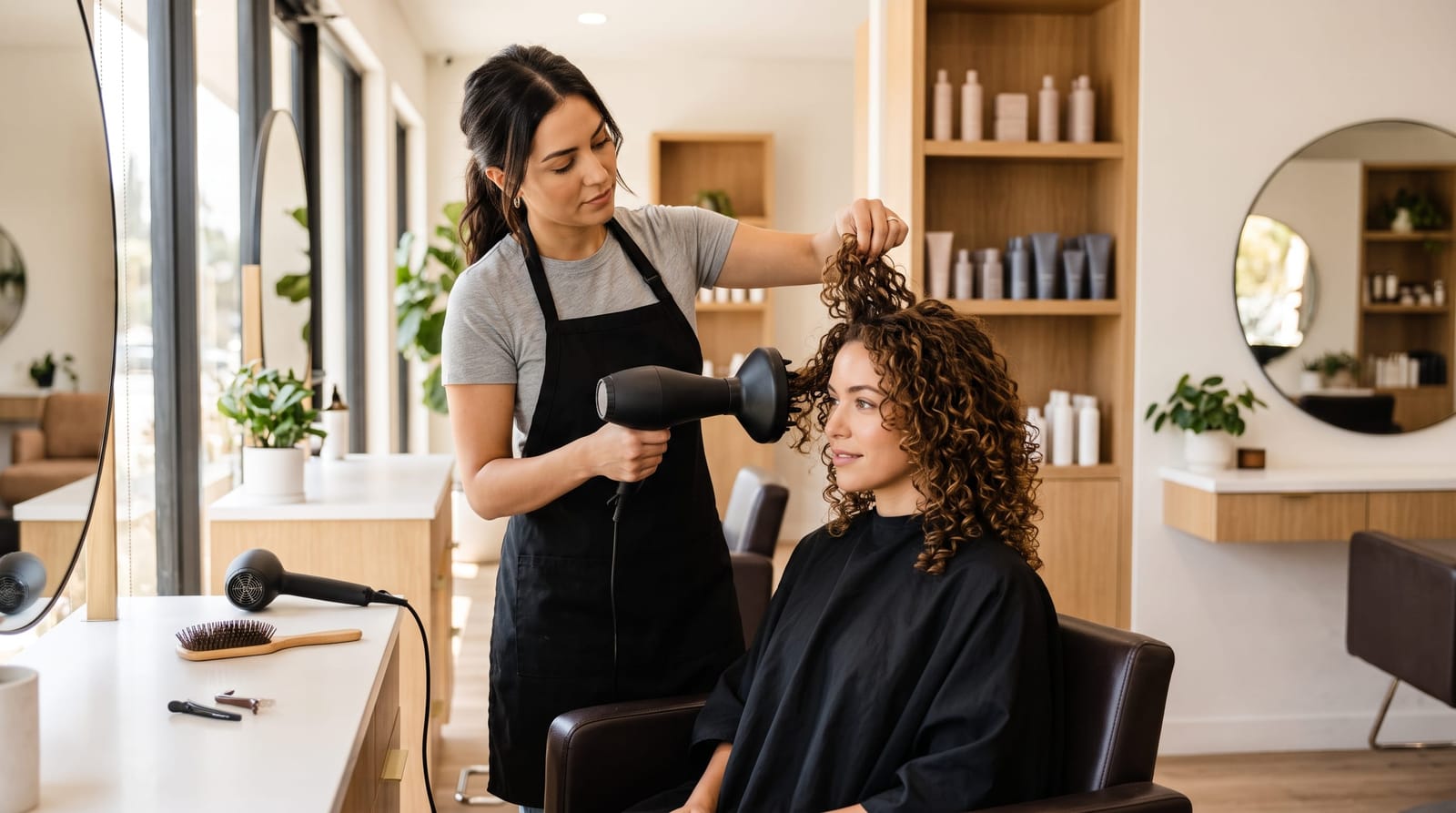
- Reduce heat tool use in the weeks immediately following color. Diffusing on a low-heat setting rather than medium or high helps preserve both color vibrancy and curl elasticity during the recovery period.
- Layer products in a lighter sequence. Some clients find that after color, their hair responds better to a lighter cream or curl gel rather than heavier butters, which can weigh down highlighted sections differently than untreated strands.
If your curls have had highlights applied using a technique like Pintura, which is specifically designed to follow the natural curl pattern for a seamless, sun-kissed result, you may find that your curl definition actually improves post-color as your refresh routine evolves.
Option 4: Product Adjustments for Long-Term Color and Curl Health
Maintaining highlights on curly hair long-term means thinking about what you're putting on your curls every single day, not just on wash day. A few targeted product swaps can extend the life of your color and support healthier curl texture simultaneously:
- Color-safe, sulfate-free shampoos are essential. Traditional sulfates strip color molecules from the hair quickly and increase dryness in already-porous curls. Sulfate-free formulas cleanse gently while helping color last 30% to 40% longer between salon visits.
- UV-protective styling products help shield highlighted strands from sun fading: a real consideration for clients who spend time outdoors in sunny Southern California.
- Anti-humidity serums or curl creams with frizz-fighting ingredients create a seal over the cuticle, protecting both your curl definition and your color vibrancy throughout the day.
- Silk or satin pillowcases and hair wraps reduce friction overnight, which minimizes both frizz and unnecessary color fade caused by rough cotton fabric.
It's also worth discussing your specific product routine with your colorist at your next visit. What works beautifully for wavy highlights curly hair may differ from what suits tightly coiled highlighted strands: personalization matters.
Frequently Asked Questions
How soon after highlights can I deep condition my curly hair?
You can generally deep condition as soon as 48 to 72 hours after your color service. Waiting a few days allows the color to fully set before you introduce heavy moisture treatments. Your stylist may actually apply an initial deep conditioning treatment in-salon immediately after your highlights to begin restoring moisture right away.
Will highlights make my curls looser or less defined?
Highlights can temporarily affect curl pattern, particularly if the hair becomes drier or more porous post-service. However, with consistent deep conditioning and the right product routine, most clients find their curl definition returns to normal, and often improves, within a few weeks. Choosing techniques like Pintura, which work with the curl's natural shape, also helps minimize disruption to curl pattern.
How do I know if my curly hair needs protein or moisture after color?
A simple stretch test can help: take a single wet curl and gently stretch it. If it stretches a lot and doesn't spring back, your hair likely needs protein. If it snaps quickly with little stretch and feels rough or brittle, it needs moisture. When in doubt, a consultation with your curly hair colorist is the most reliable way to assess your hair's current balance.
How often should I be washing my color-treated curly hair?
Most color-treated curly hair does best with washing 1 to 2 times per week. Frequent washing increases color fade and strips natural oils that curly hair relies on for definition and softness. Co-washing (using a cleansing conditioner instead of shampoo) between full wash days is a popular option for maintaining hydration while keeping curls refreshed.
Caring for Your Curls Is Part of the Color Experience
Getting beautiful highlights on curly hair is a commitment, to the color, and to your curl health. The clients who see the most stunning, long-lasting results are the ones who treat their post-color care routine as an extension of the salon experience. Whether you're exploring the right protein treatment, dialing in your deep conditioning schedule, or refreshing your product lineup, each step contributes to curls that look and feel their absolute best.
For clients wondering about their overall curl care approach, understanding whether a deva cut vs regular cut is right for their hair type is another important piece of the curly hair puzzle: one that works hand in hand with your color services. And if you're curious about scheduling and maintenance, learning about how often to get a deva cut can help you plan a routine that keeps both your cut and your color looking their very best.