Highlights with Lowlights: How Dimension Makes Blonding Look More Natural
If you've ever walked out of a salon with blonde color that felt a little too uniform, too bright, too flat, or just slightly "off", there's a good chance the formula was missing one essential element: lowlights. When it comes to hair highlights and lowlights, the combination is what separates a truly natural-looking result from one that reads as obviously colored. This guide breaks down exactly how lowlights work, why dimension matters in blonding, and how the right mix of light and shadow transforms blonde hair into something genuinely beautiful.
What Are Highlights and Lowlights: and Why Do They Work Together?
Most people are familiar with highlights: lightened pieces of hair that catch the light and create a sun-kissed effect. Lowlights are the opposite: they involve applying a slightly darker tone to specific sections of hair to add depth and visual contrast. While highlights lift, lowlights ground. Together, they create a multi-dimensional result that mimics the way hair naturally looks when it's been kissed by the sun all summer long.
Here's why this pairing matters: natural hair, even naturally blonde hair, is never one single shade. If you look closely at an uncolored head of hair in natural light, you'll typically see four to six distinct tones ranging from deeper roots and shadowed underlayers to brighter pieces around the face and crown. Studies on hair color perception suggest that the human eye reads multi-tonal hair as healthier and more youthful than single-process color, precisely because it mirrors what hair does naturally over time.
When a colorist applies only highlights, there's no shadow to give the lighter pieces context. The result can look washed out, overly bright, or flat, especially in photography or indoor lighting. Adding lowlights, even just one or two shades deeper than the base, instantly creates that contrast and makes the highlights look more intentional and organic.
The Role of Lowlights in Preventing Brassy, Flat Blonde Results
One of the most common concerns clients bring into the salon is brassiness: that unwanted warmth or orange undertone that can develop in lightened hair over time. Interestingly, a thoughtfully placed lowlight can actually help manage the visual perception of warmth in the overall color.
When cooler, slightly deeper tones are woven in between lighter pieces, they absorb light rather than reflect it. This creates a shadowing effect that makes the brighter, warmer highlights appear more golden and less brassy by comparison. It's a visual balance: the eye moves across the full range of tones rather than fixating on any one area of warmth.
Flat blonde results, on the other hand, typically happen when too much of the hair is lightened to a similar level without variation. Approximately 70-80% of clients who come in asking for a "more natural blonde" are actually describing a result that needs more depth, not more lift. Adding lowlights in a warm caramel, soft brunette, or even a cool ash tone (depending on the client's skin tone) gives the eye places to rest and makes the lighter pieces pop with greater contrast and elegance.
How Colorists Blend Highlights and Lowlights for a Seamless Finish
The technique behind a well-executed highlights-and-lowlights service is more nuanced than simply alternating light and dark pieces. A skilled colorist considers placement, proportion, and tone selection as a cohesive system.
Placement
Lighter pieces are typically concentrated where sunlight would naturally fall: around the face, at the crown, and through the mid-lengths. Lowlights are woven underneath and throughout, often closer to the nape, along the part line, and deeper within the interior of the hair. This mirrors the way sunlight interacts with hair outdoors, creating a result that feels effortless rather than engineered.
Proportion
A general rule many colorists follow is a ratio of roughly 70% highlights to 30% lowlights for a lighter overall result, or closer to 50/50 for clients who want a more defined contrast. For women starting with darker hair, introducing lowlights early in the blonding journey can prevent the over-processed look that sometimes comes from aggressive all-over lightening.
Tone Selection
The shade of the lowlight matters enormously. A lowlight that's too dark against a bright blonde can look stripy and dated: reminiscent of early 2000s chunky highlights. A well-chosen lowlight sits within two to three levels of the surrounding blonde, creating contrast that reads as natural rather than dramatic. Warm caramels, soft toffees, and muted brunette tones are perennially popular choices for blondes seeking dimension without heavy contrast.
Babylights and Lowlights: A Softer Approach to Dimension
For clients who want the most natural, seamless result possible, combining babylights with lowlights is one of the most refined techniques available. Babylights are extremely fine, delicate highlights, painted in sections no wider than a few millimeters, that replicate the tiny pieces of color children naturally develop in their hair from sun exposure.
When babylights are paired with equally fine lowlights, the result is an incredibly soft, multi-dimensional color that catches light differently from every angle. There's no stark line, no obvious pattern, and no tell-tale "highlighted hair" look. This approach works particularly well for women with finer hair, those transitioning from darker base colors, or clients who prefer a truly understated, low-maintenance result.
Because both the highlights and lowlights are applied in such fine sections, this technique also tends to grow out beautifully: reducing the frequency of maintenance appointments for women with busy schedules. Many clients find they can comfortably go 10 to 16 weeks between appointments, making it an especially practical choice for the professional woman who wants beautiful hair without constant upkeep.
What to Expect from a Highlights and Lowlights Service
Understanding the process ahead of time helps you arrive at your appointment with realistic expectations and the right questions to ask. Here's what a typical combined service generally involves:
- Consultation: Your colorist will assess your current hair color, texture, and condition before recommending a tone and placement strategy. Be honest about your hair history: previous color, heat styling frequency, and any treatments you've had all factor into the plan.
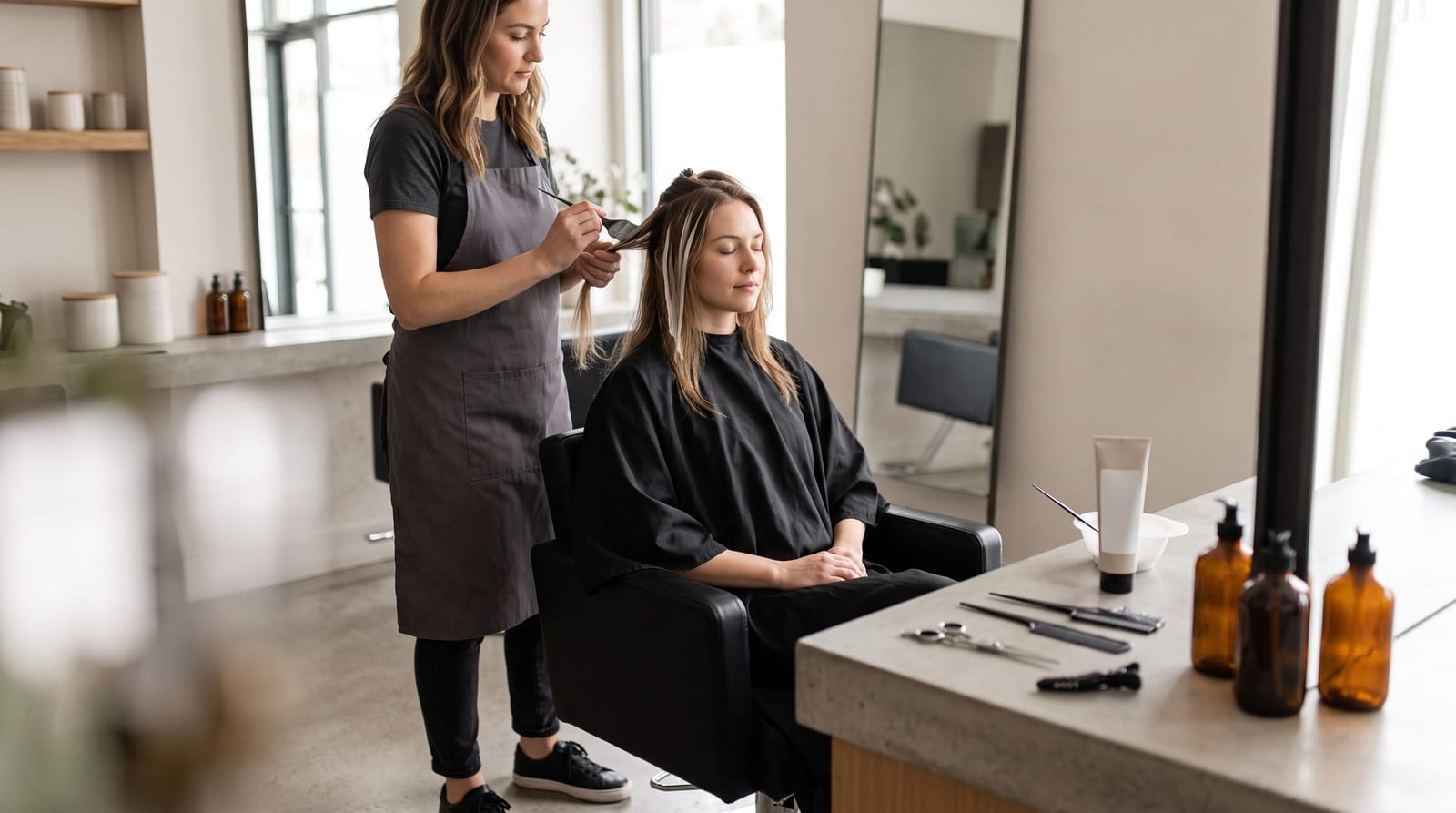
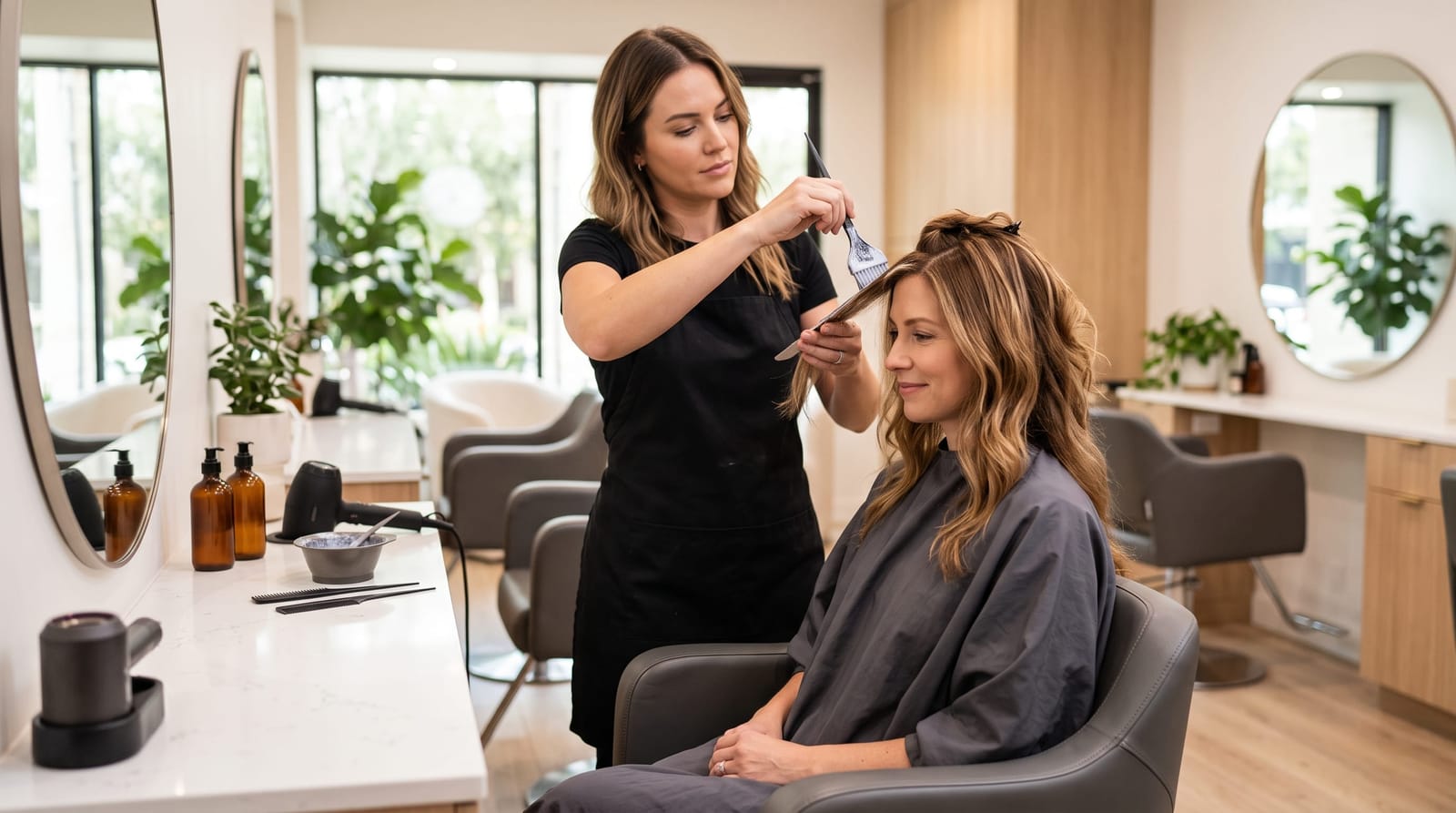
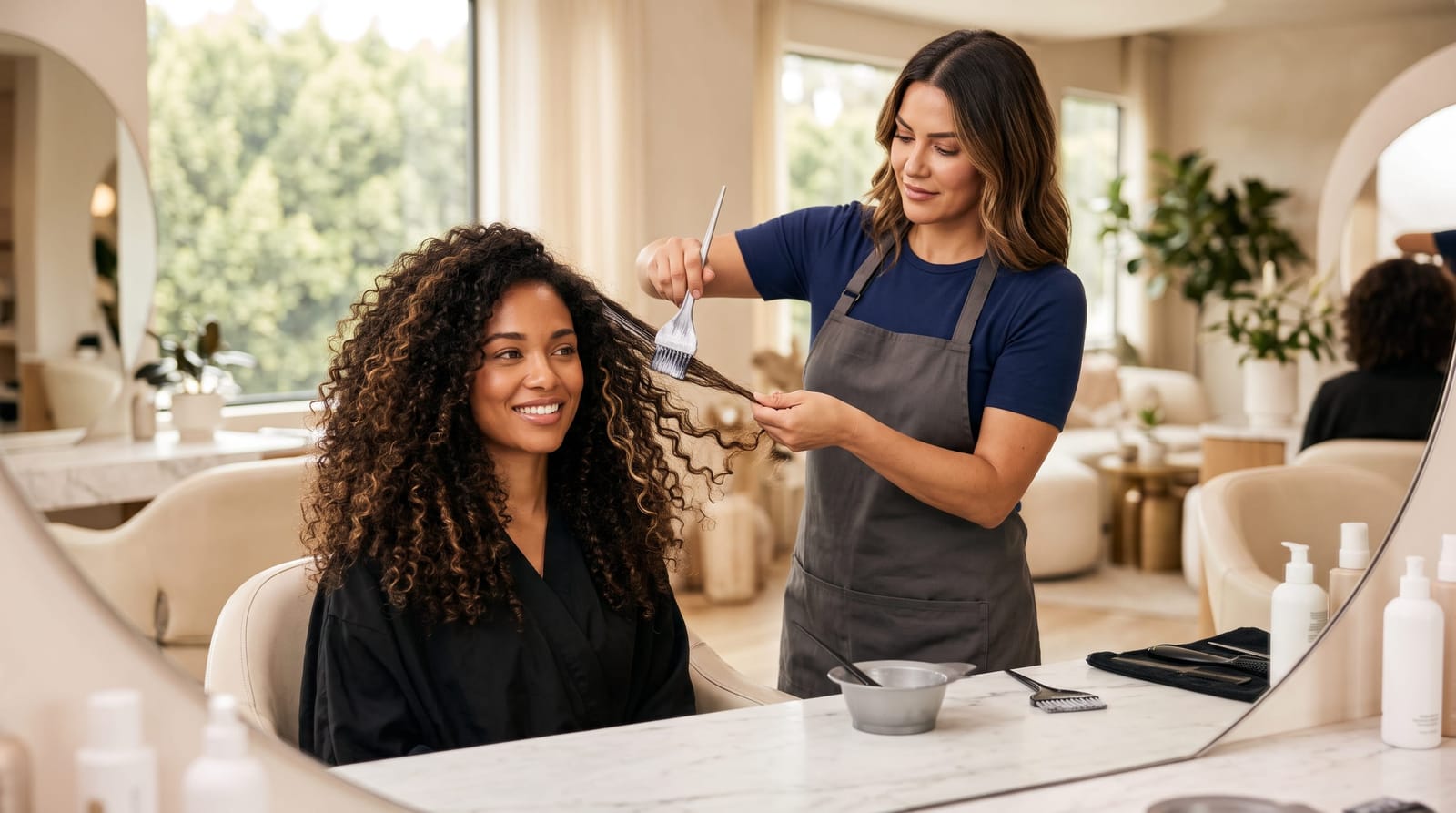
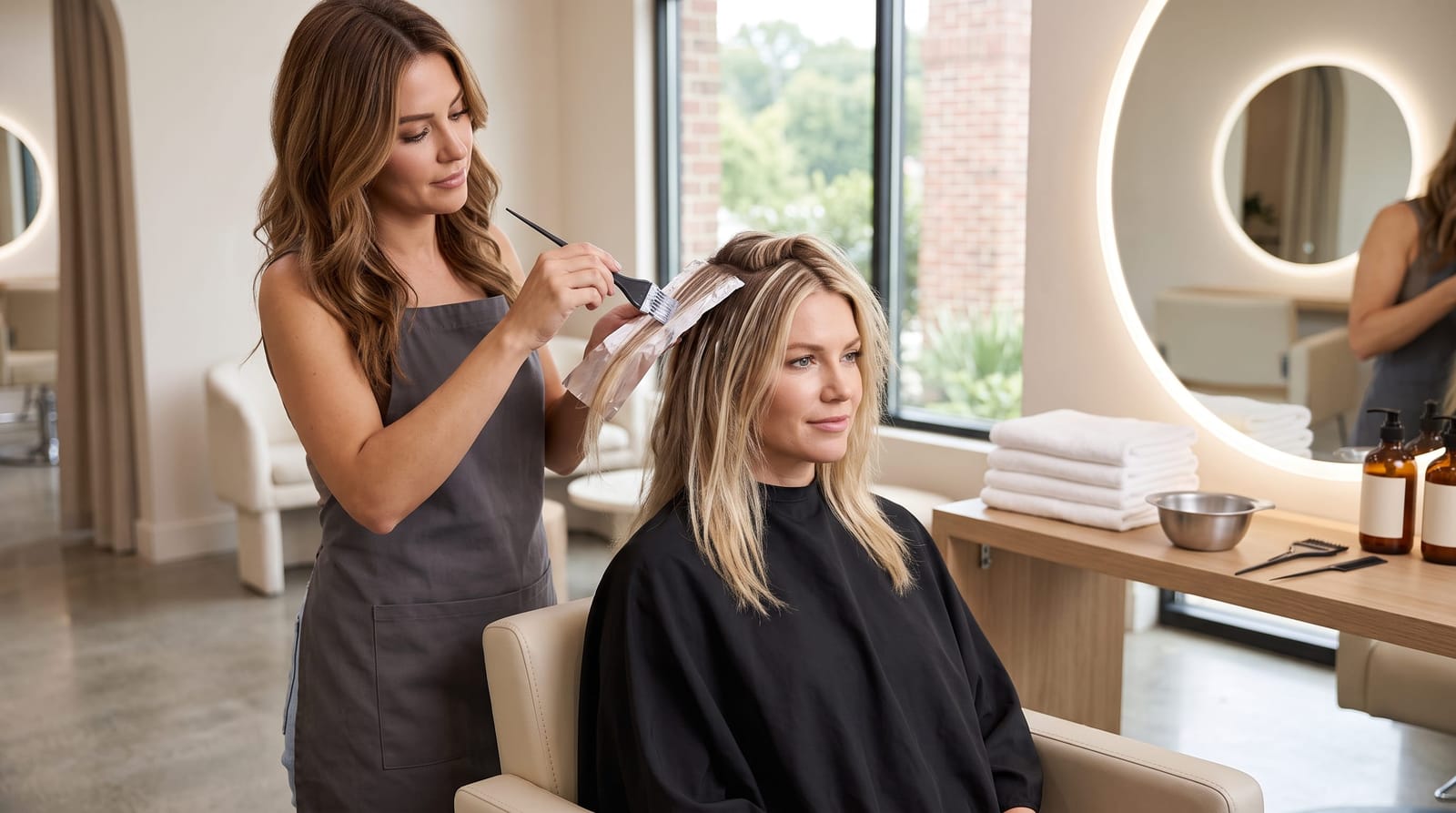
- Sectioning and application: Depending on the technique, the colorist will alternate between highlight and lowlight applications throughout your hair. This process typically takes 45 to 90 minutes for a full head.
- Processing: Timing varies based on the level of lift needed and the depth of the lowlight chosen. Your colorist monitors both to ensure they process correctly without over-developing.
- Toning: A gloss or toner is often applied after rinsing to unify the overall palette and add shine. This step is what truly makes the colors blend and feel cohesive.
- Styling: Seeing the final result styled and dried is essential: hair color looks significantly different wet than dry, and your colorist can make small adjustments if needed.
Frequently Asked Questions
How do hair highlights and lowlights differ from balayage?
Balayage is a freehand painting technique used to apply highlights (and sometimes lowlights) without foils, creating a softer, more blended transition. Highlights and lowlights can be applied using either foils or balayage technique: the terms describe what's being applied (lighter or darker color) rather than how it's applied. Many colorists combine balayage highlights with foiled lowlights for a result that has both soft blending and precise depth.
Can lowlights work on already-blonde hair?
Absolutely. Lowlights are actually one of the most effective ways to refresh over-lightened or faded blonde hair. If your blonde has gone too pale, too yellow, or lost its dimension over time, a few carefully placed lowlights can immediately restore richness and make the remaining highlights look brighter and more intentional.
How often do I need to touch up highlights and lowlights?
The frequency depends on your starting color, the contrast between your highlights and lowlights, and how quickly your hair grows. Most clients maintain their color every 8 to 16 weeks. Finer, more blended techniques like babylights tend to grow out more gracefully, allowing for longer intervals between appointments.
Will adding lowlights make my hair look darker overall?
Not necessarily. The goal of a well-balanced highlights-and-lowlights service is to create dimension, not to shift your overall perceived color significantly darker. When the proportion and tone are right, your hair will look richer and more textured, but the brightness of your highlights will actually appear more pronounced against the deeper contrast of the lowlights.
The Bottom Line on Dimension and Natural-Looking Blonde
Hair highlights and lowlights aren't opposing forces: they're partners in creating the kind of natural, effortlessly beautiful blonde that genuinely turns heads. Whether you're new to blonding or refining a color you've been wearing for years, introducing thoughtful lowlights into the mix is one of the most transformative adjustments a colorist can make. The result is hair that looks alive, dimensional, and authentically yours. To understand the full picture of how these techniques fit into a broader blonding approach, explore the complete balayage hair color guide for women seeking natural, low-maintenance color.