How to Sleep with Tape-In Extensions Without Damaging Them
Getting tape-in extensions is an investment in your hair, and like any worthwhile investment, it deserves a little daily (and nightly) care. One of the most common questions women have after their first appointment is how to handle sleeping with tape in extensions without losing length, loosening bonds, or waking up to a tangled mess. The good news? A simple nighttime routine makes all the difference. Here are the best practices to protect your extensions while you sleep, so they stay beautiful from install day all the way to your next salon visit.
1. Always Go to Bed with Completely Dry Hair
This is the single most important rule for anyone sleeping with tape in extensions: never go to sleep with damp or wet hair. Moisture weakens the adhesive bonds that hold your tape-in wefts in place. When wet hair presses against those bonds for six to eight hours of sleep, you significantly increase the risk of slippage, matting, and tangling right at the tape line: the most vulnerable part of the extension.
Experts consistently note that sleeping on wet tape-ins is one of the leading causes of premature bond failure. Studies from extension care brands suggest that tape-in extensions typically last six to eight weeks with proper maintenance, but improper nighttime habits can cut that lifespan nearly in half.
If you showered in the evening, give yourself enough time to fully blow-dry or air-dry before getting into bed. Use a low-to-medium heat setting and a heat protectant spray, paying extra attention to the root area where the tapes sit. Running a microfiber towel through your hair gently (never rubbing) before blow-drying also speeds up the process without causing frizz or friction at the wefts.
2. Secure Your Hair with a Loose Braid or Soft Wrap
Leaving your hair loose while you sleep is a fast track to tangling, especially where your natural hair meets the tape wefts. Tossing and turning creates friction that can mat extensions overnight, making morning detangling both time-consuming and hard on your bonds.
The best approach is a single loose braid, sometimes called a "sleep braid", that runs down the back of your head. Keep it low and relaxed, not tight. A tight braid pulls on the tape bonds at the root, which can cause stress to both your natural hair and the extensions over time. If braiding feels uncomfortable, a loose low ponytail secured with a soft, seamless hair tie (avoid rubber bands entirely) works as an alternative.
Some women prefer wrapping their hair: gently wrap extensions around the back of your head using bobby pins or a silk scarf to keep everything flat and secure. This method is especially helpful for women with finer hair who find braids create unwanted texture or wave in the extensions by morning.
Whichever method you choose, the goal is to limit movement and reduce the surface area of hair that can catch and snag during sleep.
3. Switch to a Silk or Satin Pillowcase
Your pillowcase matters more than most people realize. Standard cotton pillowcases create friction as your hair moves across the fabric during sleep. That friction pulls at extension bonds, causes frizz along the wefts, and accelerates tangling, especially at the tape line where natural hair and extension hair overlap.
Switching to a silk or satin pillowcase dramatically reduces that friction. Hair glides over smooth fabric rather than catching and snagging. Beyond protecting your extensions, silk pillowcases are also gentler on your skin, making the upgrade an easy win for your overall self-care routine.
If a silk pillowcase isn't in your budget right now, a satin bonnet or satin hair wrap worn over your braid achieves a very similar effect. Many extension wearers actually prefer the bonnet approach because it keeps the hair fully contained and protected regardless of pillow fabric.
When evaluating what works best for your lifestyle and budget, it's worth understanding what professional-grade extension care involves: much the way understanding the full picture of professional hair extensions cost: what to expect and why quality matters helps you protect your overall investment from day one.
4. Focus on the Tape Weft Area to Prevent Tangling
The area directly around the tape bond, where your natural hair lays flat against the weft, is the most tangle-prone zone of your extensions. This is where matting tends to develop first, and where improper care causes the most visible damage.
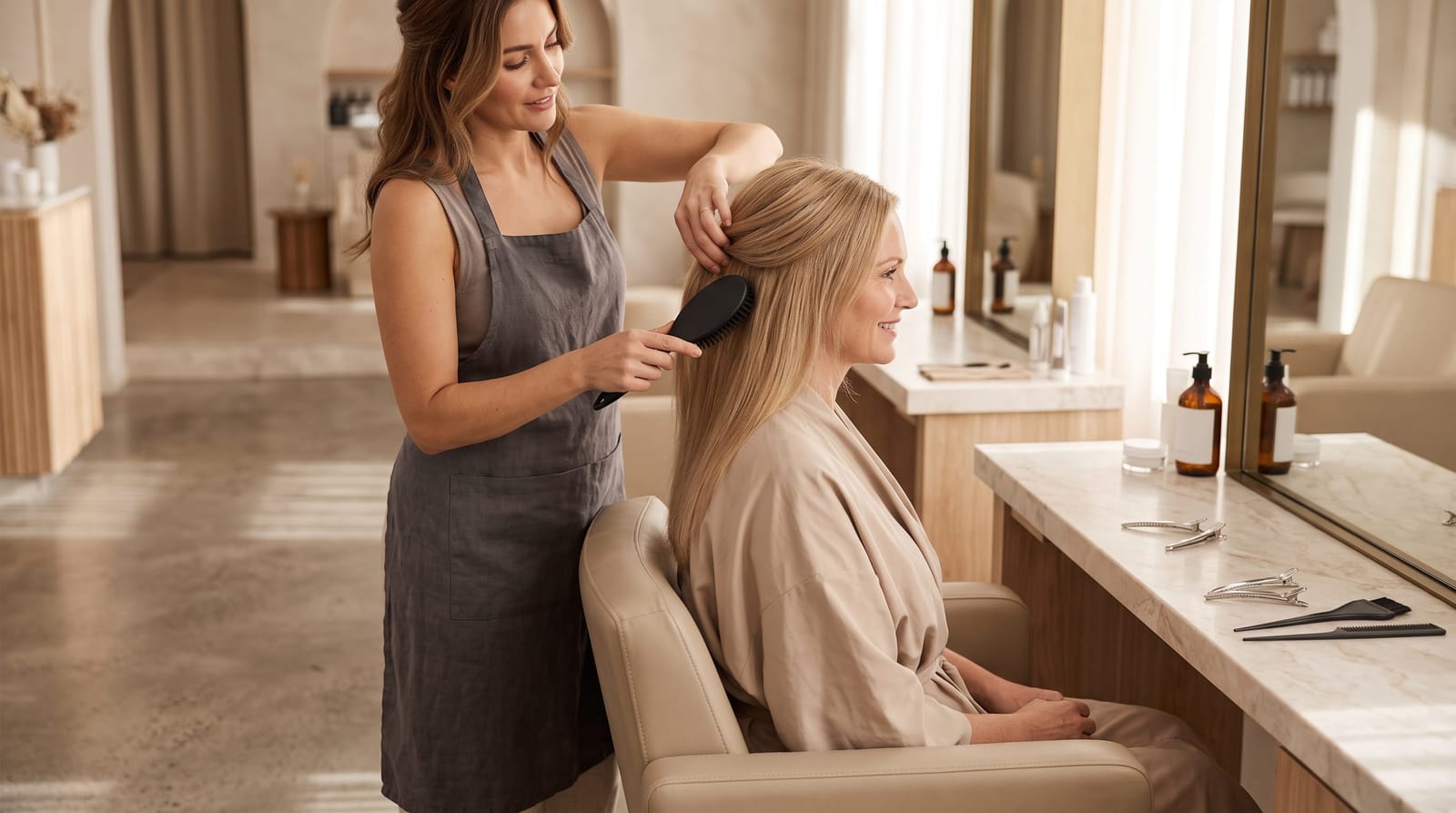
Before braiding or wrapping for bed, take thirty seconds to gently brush through your hair from ends to roots using a soft-bristle extension brush or a loop brush specifically designed for bonded extensions. These brushes flex around the bond rather than pulling against it. Start from the ends to work out any knots, then gradually move up toward the root: never yank from root to tip, which puts direct pressure on the tape attachment points.
Pay particular attention to the nape of your neck and behind your ears, two spots where tape wefts are closest together and most prone to tangling overnight. A very small amount of lightweight dry oil, not a heavy conditioning product, applied along the weft line before sleep can help keep hair slipping smoothly rather than knotting.
5. Build a Gentle Morning Detangling Routine
Even with every nighttime precaution in place, some light tangling at the wefts is normal and expected. What matters is how you address it in the morning. Rushing through detangling with aggressive brushing is one of the most common ways women accidentally damage their extensions over time.
Start by releasing your braid or wrap slowly and separating sections with your fingers before introducing any brush. Work in small sections from ends to roots. A detangling spray or a lightweight leave-in conditioner misted lightly through the mid-lengths and ends makes the process significantly easier and reduces breakage.
Never brush extensions when they are tangled and dry without first applying some form of slip, whether that's a detangling spray, a fine mist of water mixed with a few drops of argan oil, or your preferred lightweight leave-in product. Brushing through dry knots with no product creates friction that wears down both the extension hair and the bonds.
Taking two to three extra minutes in the morning to detangle properly is far less time-consuming than dealing with matted extensions that require a salon visit to sort out.
Frequently Asked Questions
How long do tape-in extensions typically last with proper care?
With consistent care, including a proper nighttime routine, tape-in extensions generally last six to eight weeks before a maintenance appointment is needed to reposition the bonds as your natural hair grows. Skipping nighttime care habits like drying hair before bed or protecting the bonds can reduce that timeline noticeably.
Can I sleep with my tape-in extensions in a high ponytail?
A high ponytail is not recommended for sleeping with tape-in extensions. High ponytails place tension directly on the tape bonds closest to the crown, which can loosen them over time. A low, loose braid or a low ponytail at the nape of your neck is a much gentler option that keeps hair secure without stressing the bonds.
Is it okay to use a regular hair tie when securing extensions for sleep?
Standard elastic or rubber hair ties can snag extension hair and create tension at the bond points. Seamless fabric hair ties, ribbon ties, or soft scrunchies are much gentler alternatives. Look for styles labeled "no-crease" or "damage-free": these are designed to hold hair without pulling or leaving indentations in the extensions.
How is sleeping with tape-ins different from sleeping with sew-in extensions?
Both tape-in and sew-in extensions require nighttime protection, but the approach differs slightly based on how each method attaches to your natural hair. Tape-ins rely on adhesive bonds that are sensitive to moisture and friction, making dry hair and low-friction fabrics especially important. You can explore more about how sew-in methods compare in our guide to sew-in hair extensions: what they are and who they're best for.
Sleep Smarter, Protect Your Investment
Sleeping with tape in extensions doesn't have to be complicated: it just takes a few minutes of intentional care each night. Dry hair before bed, a loose braid, a silk pillowcase, gentle attention to the weft area, and a patient morning detangling routine are all it takes to keep your extensions looking salon-fresh well into their sixth or eighth week. These small habits protect your bonds, preserve the quality of your extension hair, and ultimately mean fewer emergency salon visits and more days of beautiful, effortless length.