Clip-In Hair Extensions: A Quick Guide for Busy Women
When you want more length or volume without a long-term commitment, clip in hair extensions are one of the most practical tools in your beauty routine. Whether you're preparing for a wedding, an important meeting, or simply want a fuller look on a Tuesday morning, clip-ins offer an instant, reversible solution you can manage entirely on your own. This guide walks you through everything you need to know, from application basics to blending secrets, so you can decide if clip-ins fit your lifestyle right now, or if a more permanent option makes more sense.
What Are Clip-In Hair Extensions, Exactly?
Clip in hair extensions are wefts of hair, either human or synthetic, attached to a thin fabric seam fitted with small metal snap clips. Those clips open and close with a gentle press, anchoring the weft to your natural hair without any adhesive, heat bonding, or salon appointment required.
A typical full set includes between 7 and 10 wefts in varying widths, designed to layer across different sections of your head. Most sets weigh between 100 and 200 grams, with higher-weight sets delivering more dramatic volume. Human hair clip-ins can be heat-styled, colored, and washed just like your natural hair, while synthetic options hold a preset style but don't respond well to hot tools.
For busy women, the real appeal is speed. A full set of clip-ins can be installed in as little as 5 to 15 minutes once you've practiced the technique a few times: no stylist required, no scheduling conflicts, and no commitment beyond the morning you choose to wear them.
How to Apply Clip-In Extensions: A Simple Step-by-Step
Getting a seamless, natural result comes down to preparation and proper placement. Follow these steps for a polished look every time.
- Start with clean, dry hair. Clip-ins grip better on hair that isn't freshly conditioned or coated in styling products. If your hair is very smooth, a light pass of dry shampoo at the roots adds grip.
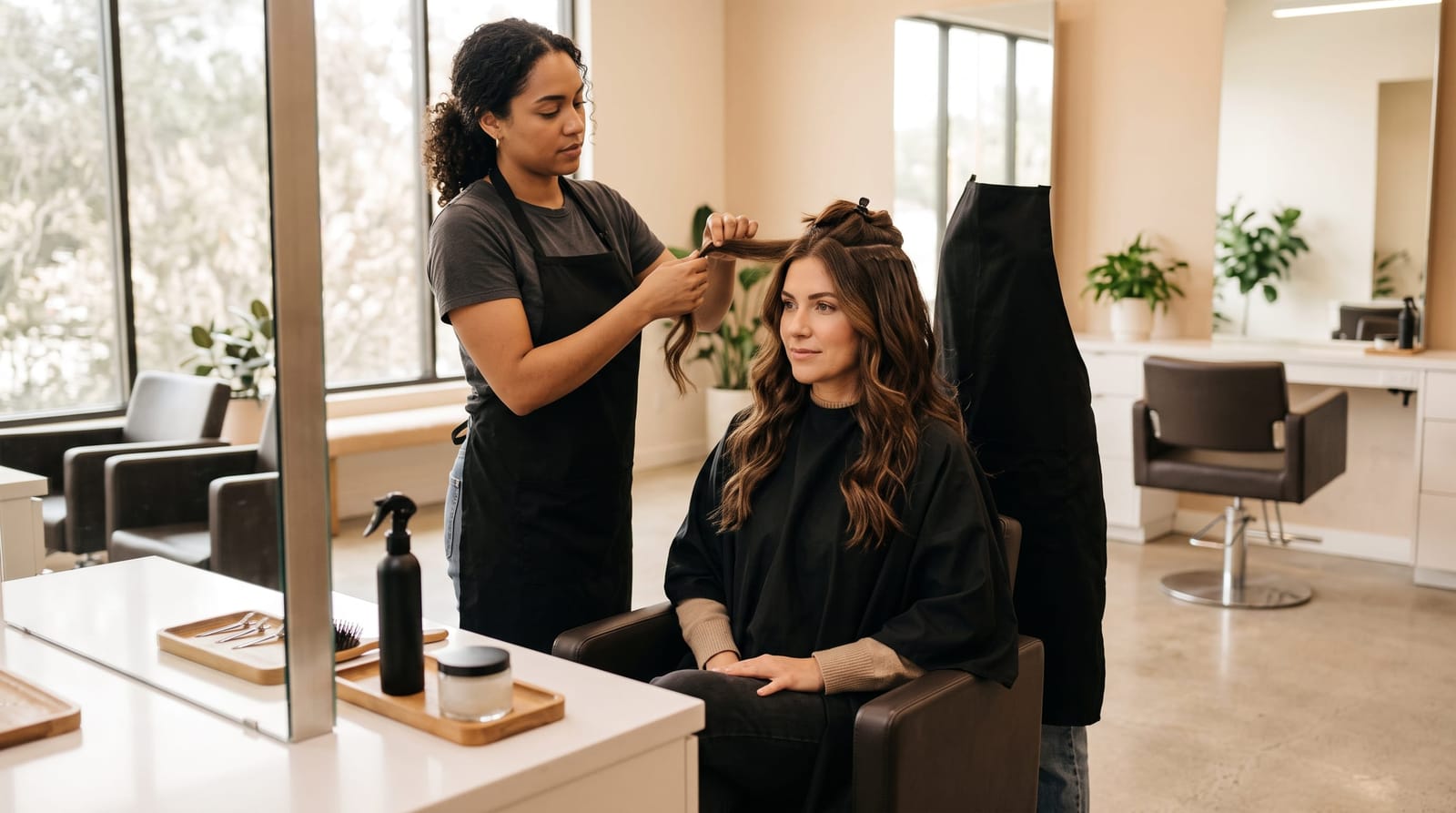
- Section your hair horizontally. Using a tail comb, draw a clean horizontal part about an inch above your nape. Clip the rest of your hair up and out of the way.
- Tease the root slightly. A small amount of backcombing directly at the part line gives the clips something to anchor into. This step reduces slipping throughout the day.
- Snap the weft into place. Open the clips, position the weft along the part, and press each clip closed. You should hear a soft click and feel the weft sit flat against your head.
- Work upward in layers. Release another horizontal section, repeat the teasing and clipping process, and continue until you've placed all your wefts. Wider wefts go across the back; narrower wefts frame the sides and front.
- Blend and style. Release your natural hair over the wefts, then blend everything together with a brush or curling iron. This final step is what creates a seamless, cohesive look.
How to Blend Clip-Ins With Your Natural Hair
Blending is where most beginners struggle, and where most of the visible difference between a natural-looking result and an obvious one lives. A few techniques make an immediate impact.
Match the texture, not just the color. If your natural hair has a slight wave, straight clip-ins will look disconnected. Run a curling wand through both your natural hair and the extensions at the same time to create a unified texture throughout.
Layer your placement strategically. Placing wefts too close to your hairline, particularly around the face and temples, increases the risk of clips showing. Keep the front sections of your hair free and blend them over the top of everything else.
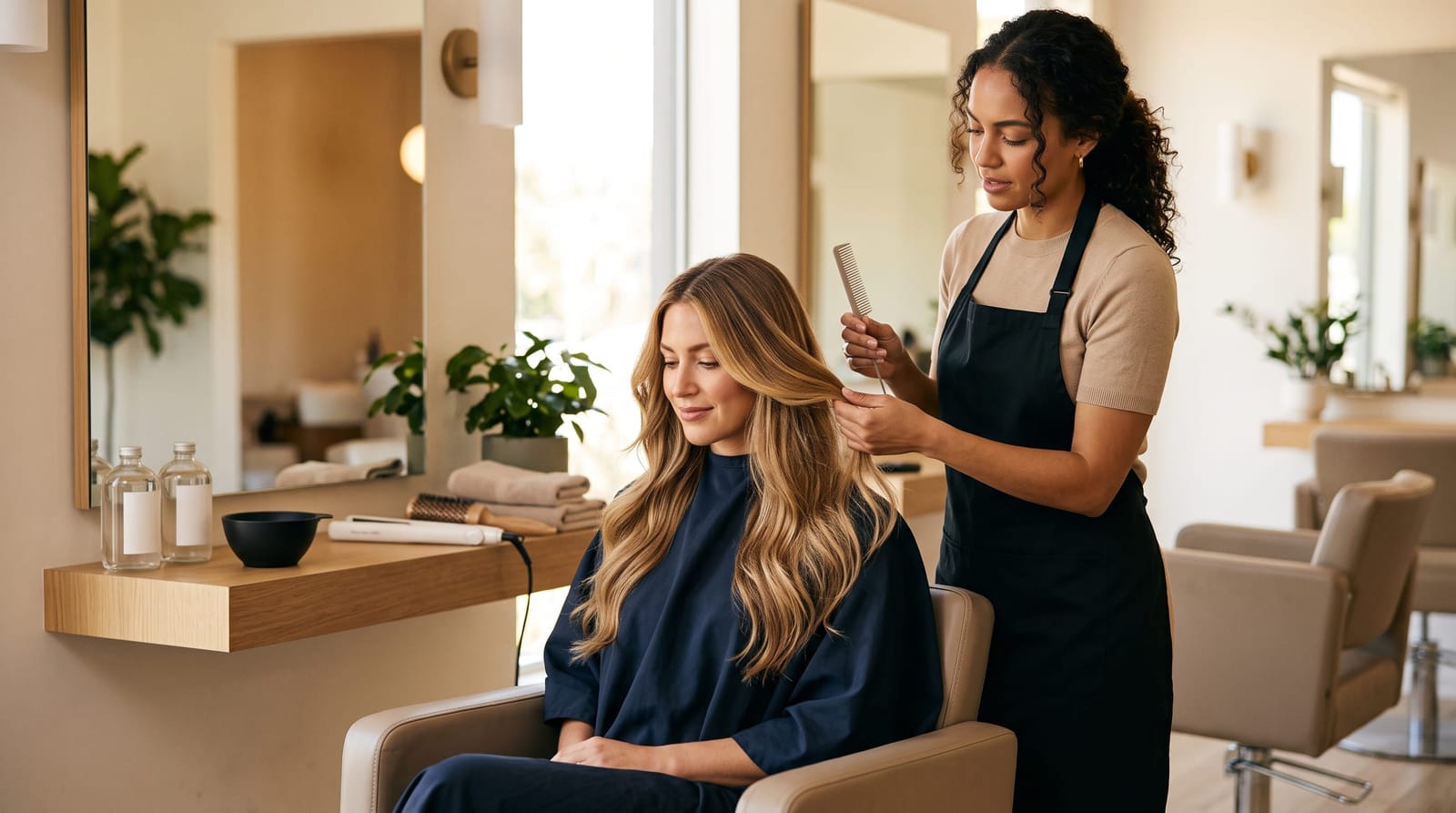
Trim or feather the ends if needed. Even the best clip-in sets may need minor trimming to match your natural layers. A quick visit to your stylist for a blending cut, where they trim the extensions while they're in your hair, can make a dramatic difference. Many clients find that one blending appointment translates into a much more polished result every time they wear the extensions afterward.
Shade-match carefully. Color is one of the most important factors in seamless blending. If your hair has highlights or a balayage, look for sets with multi-tonal color blends rather than a single flat shade. If you're unsure, bring your extensions into the salon: a stylist can assess the match in natural light and recommend adjustments.
How Long Can You Wear Clip-In Extensions Each Day?
Clip-ins are designed for temporary, daily-wear use, not overnight or extended wear. Most hair professionals suggest removing them after 6 to 8 hours of continuous wear to give your scalp and natural hair a rest. Wearing them for longer periods, day after day, can put repetitive tension on the same root areas, which over time may affect hair comfort and health.
For busy women, this timeline works naturally with a typical schedule: apply them before work or an event, remove them when you're home for the evening. On rest days, store them properly, ideally in a box or bag where the wefts won't tangle, and allow your natural hair to breathe.
With proper care, a quality set of human hair clip-ins can last anywhere from 6 months to over a year, depending on how frequently they're worn and how well they're maintained. Washing them every 15 to 20 wears with a gentle, sulfate-free shampoo preserves the integrity of the hair fiber and extends the life of the set.
When Clip-Ins Make Sense: and When to Consider Something More Permanent
Clip-ins are an excellent match for women who want flexibility: those who wear extensions for specific occasions, prefer to go without extensions on weekends, or are still deciding which style works best for their hair and lifestyle.
However, if you find yourself reaching for your clip-ins every single day, spending time each morning on application and blending, or wishing for added volume that's simply always there, it may be worth exploring semi-permanent options. Tape-in hair extensions are a popular next step: they lie flat against the scalp, blend naturally with most hair types, and eliminate the daily installation routine entirely.
A consultation with an experienced extensions stylist can help you evaluate whether your hair texture, density, and daily routine are better served by clip-ins or a longer-wear method. There's no single right answer: it genuinely depends on your hair, your schedule, and how you want to feel on an average morning.
Frequently Asked Questions About Clip-In Hair Extensions
Can clip-in extensions damage your natural hair?
When applied correctly and removed each day, clip-ins are considered one of the lowest-risk extension methods available. The clips don't use heat or adhesive, which eliminates two of the most common causes of extension-related hair stress. The key is avoiding repetitive placement in the exact same spot and not wearing them for extended overnight periods. Giving your hair regular rest days also helps maintain its natural condition over time.
How do I know what color to buy?
The most reliable approach is to compare extension samples to your hair in natural daylight rather than indoor or artificial light, which can shift how colors appear. Many extension brands offer color-matching tools or sample swatches. If your hair has multiple tones, such as a balayage or highlighted look, look for multi-tonal extension sets. When in doubt, your stylist can help assess the match and recommend whether a slight toning adjustment would help the extensions blend more seamlessly.
Are human hair or synthetic clip-ins better?
Human hair clip-ins look and behave more like natural hair: they can be heat-styled, washed, and even colored, making them more versatile and typically longer-lasting. Synthetic clip-ins are more affordable upfront but cannot withstand high heat and tend to have a shorter lifespan. For regular use, most stylists recommend investing in a quality human hair set, as the longevity and styling flexibility typically offer better value over time.
Can I sleep in clip-in extensions?
Clip-in extensions are not designed for overnight wear. Sleeping in them increases friction against the hair and scalp, which can lead to tangling, matting around the clips, and unnecessary stress on your natural roots. Always remove them before bed, gently detangle the wefts, and store them flat or hanging to preserve their shape for the next wear.
Ready to Find the Right Extension Option for You?
Clip-in hair extensions are one of the most beginner-friendly ways to explore added length and volume on your own terms. They're low-commitment, reusable, and surprisingly quick to apply once you know the technique. If you've been enjoying clip-ins but find yourself wanting something more seamless and effortless for daily life, exploring the world of tape-in extensions might be a natural next step, and a conversation worth having with your stylist. Beautiful, natural-looking hair is very much within reach, whatever your schedule looks like.