Do Highlights Damage Hair? What a Los Angeles Colorist Wants You to Know
If you've ever hesitated before booking a highlight appointment because you were worried about damage, you're not alone. It's one of the most common questions colorists hear, and it deserves a real, honest answer. Yes, the lightening process does affect the hair's structure. But no, highlights don't have to leave your hair dry, brittle, or broken. When done thoughtfully by an experienced colorist and followed by the right aftercare (including something as simple as switching to a color safe shampoo), highlighted hair can look and feel genuinely healthy. Here's what you actually need to know.
Understanding What Highlighting Actually Does to Your Hair
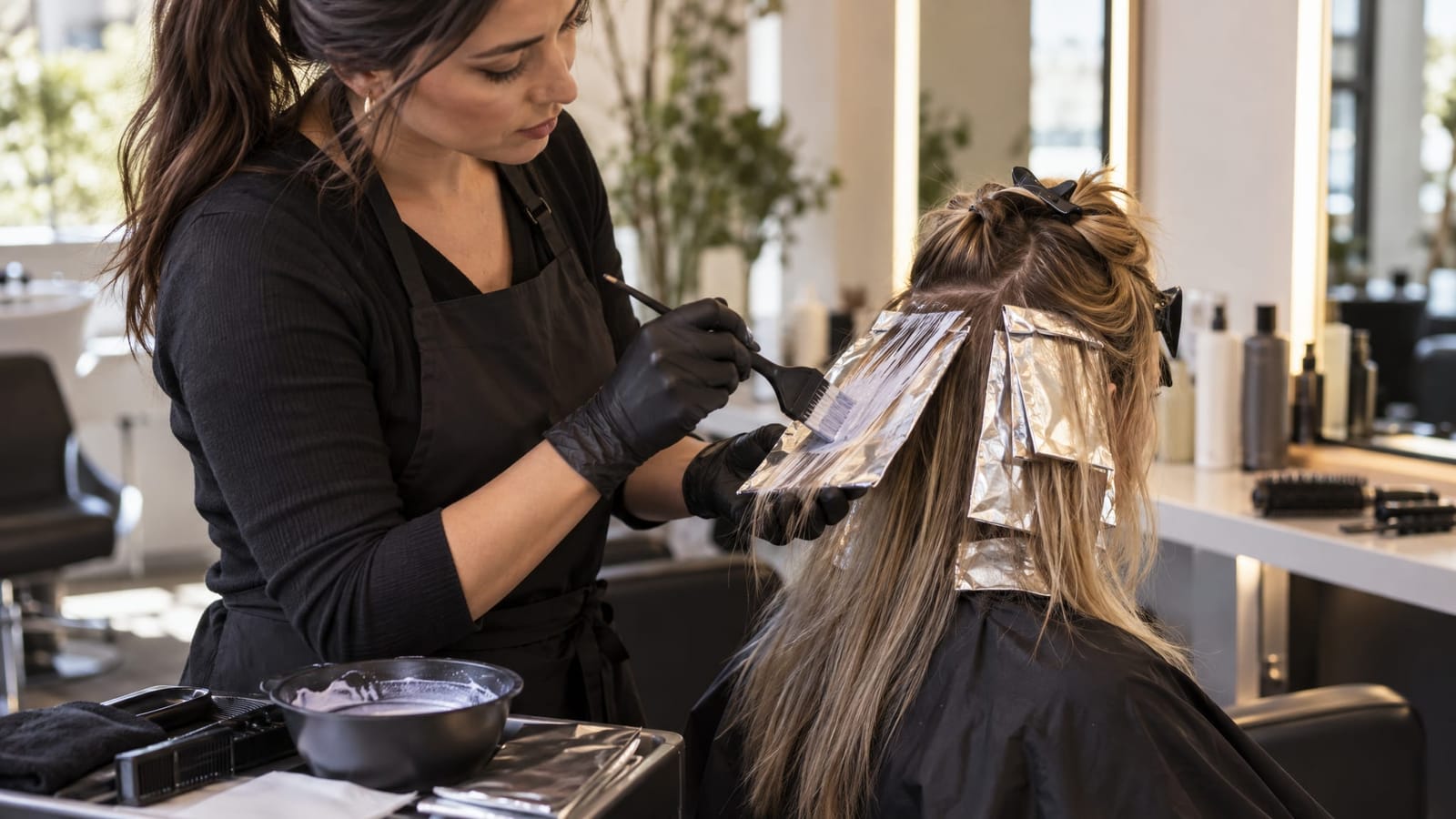
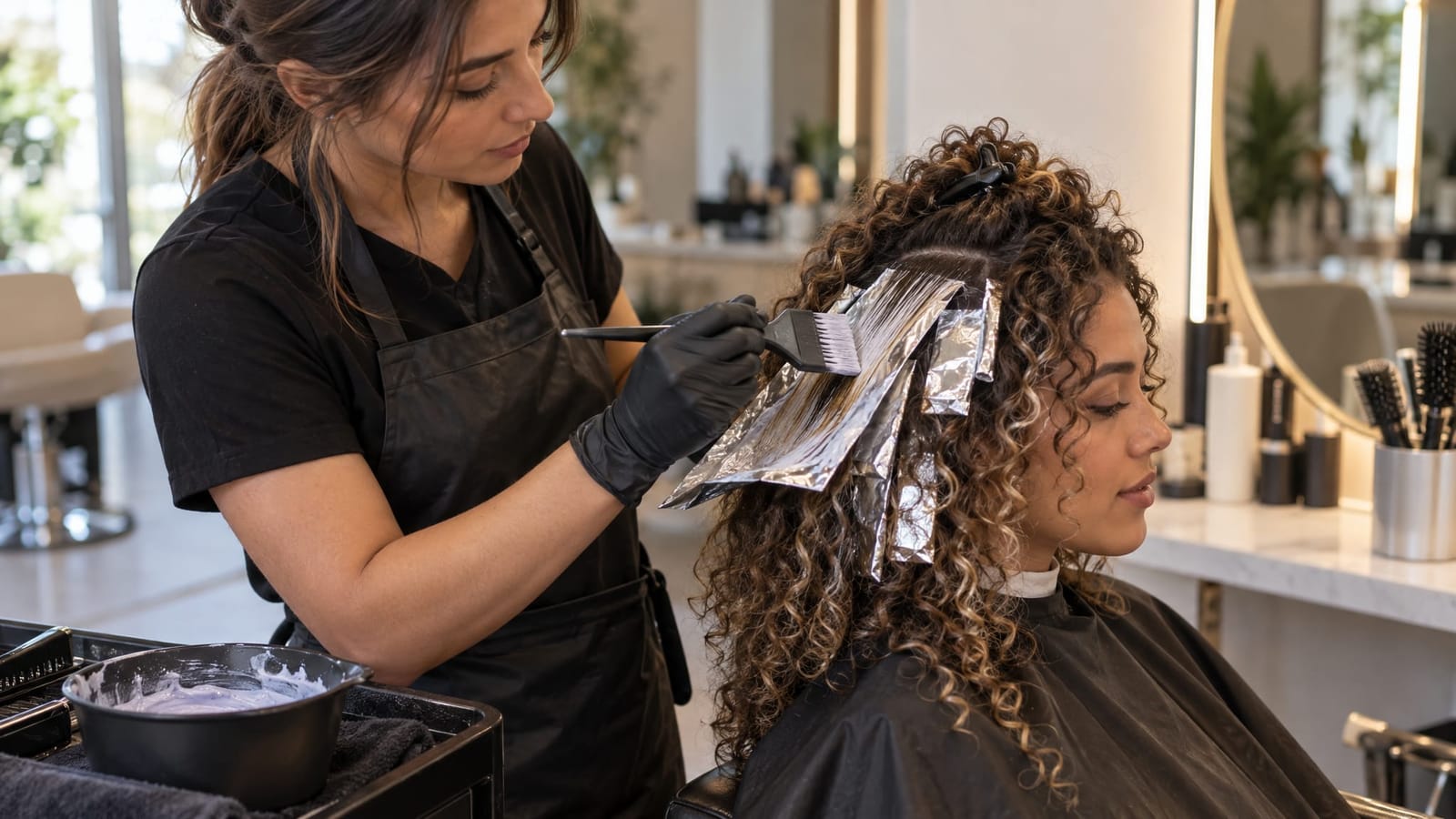
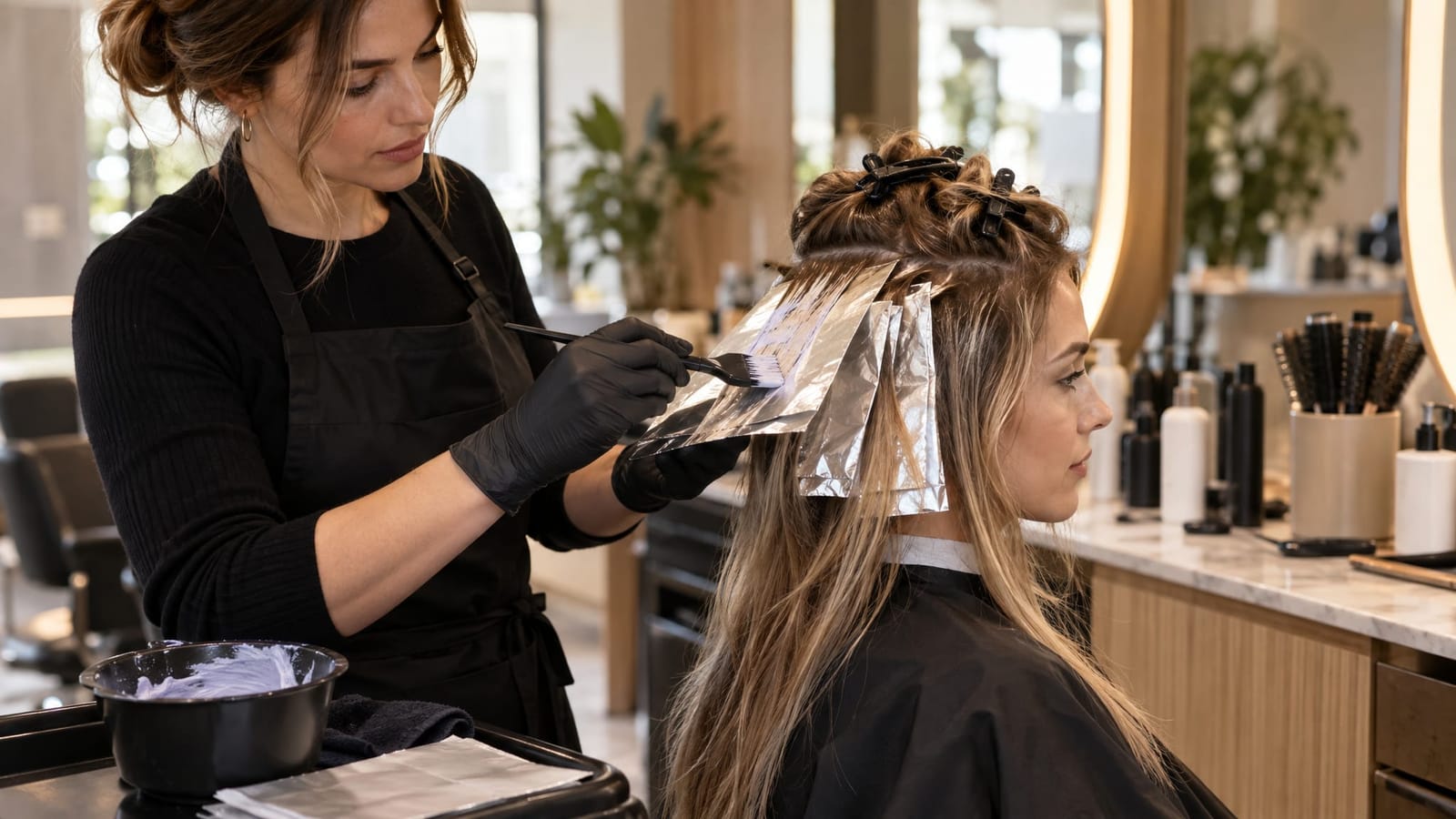
To understand the risk, it helps to understand the process. Highlights use a lightening agent, typically a bleach or a high-lift color formula, to lift the natural pigment from the hair shaft. To do that, the hair cuticle (the outermost protective layer) has to open slightly, allowing the formula to reach the cortex, which is where color pigment lives.
This lifting process is what creates dimension and brightness, but it's also why hair can feel more porous or delicate after color. A more open cuticle means moisture can escape more easily, which is why highlighted hair sometimes feels drier than untreated hair.
Here's the important distinction though: there's a meaningful difference between hair that is temporarily more fragile after a service and hair that has been damaged by poor technique or neglect. An experienced colorist monitors processing time carefully, uses professional-grade products that include bond-building or conditioning agents, and tailors the formula to your hair's specific needs. That level of technical precision dramatically reduces the risk of real damage, and it's one of the biggest reasons why choosing the right salon matters so much.
The Role of Conditioning Treatments in Protecting Highlighted Hair
One of the most effective things a colorist can do to protect your hair during and after a highlight service is incorporate a conditioning or bond-protecting treatment into the appointment. These treatments work by reinforcing the internal structure of the hair fiber: essentially helping to rebuild what the lightening process temporarily disrupts.
At a quality salon, these aren't upsells. They're part of a responsible approach to color. When a bond-building treatment is used alongside a highlight service, clients typically leave with hair that feels softer and more manageable, not stripped or straw-like.
Glossing or toning treatments serve a related purpose. After highlights are lifted, a toner refines the color and deposits a light conditioning layer on the hair. This is what gives highlighted hair that lit-from-within, polished look, and it also smooths the cuticle slightly, improving how the hair feels and how it reflects light. The difference between highlighted hair with and without a toner finish is immediately visible.
In-salon deep conditioning treatments are also worth discussing with your colorist. Depending on your hair's texture, density, and existing condition, adding a treatment to your color appointment can be a simple way to ensure you walk out feeling confident rather than cautious.
Expert Tips for Caring for Highlighted Hair at Home
What you do between salon visits has a direct impact on how healthy and vibrant your highlights look over time. Aftercare isn't complicated, but a few specific habits make a real difference.
Switch to a Color Safe Shampoo
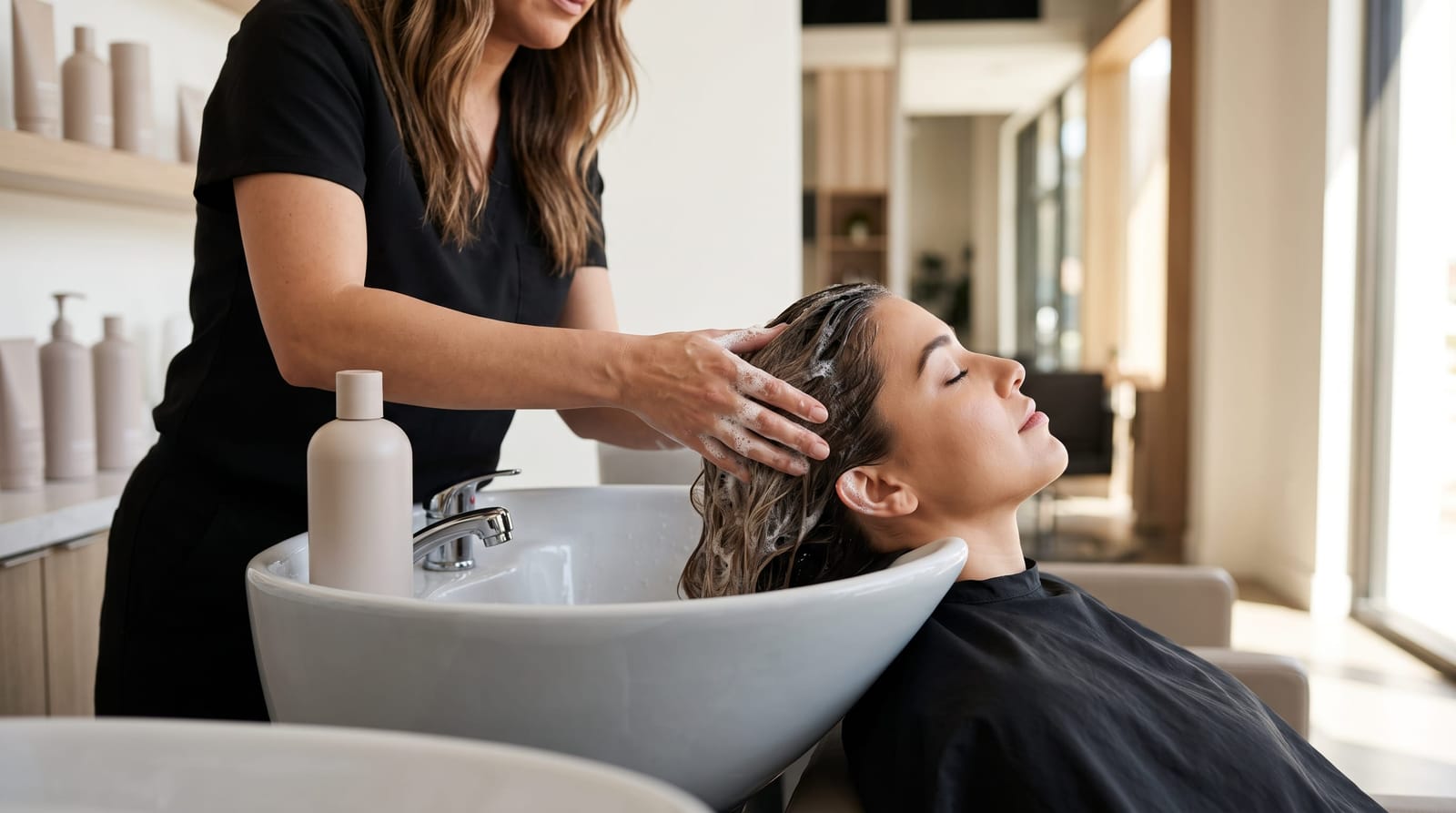
This is the single most impactful change you can make. A color safe shampoo is formulated without harsh sulfates: the cleansing agents found in many conventional shampoos that can strip color and moisture from the hair shaft. When you use a standard shampoo on highlighted hair, those sulfates essentially work against everything your colorist just achieved. A sulfate-free, color-safe formula gently cleanses while keeping the hair cuticle more sealed, which means your color stays vibrant longer and your hair retains more moisture between washes. Look for one specifically labeled for color-treated hair, and ideally pair it with a matching color-safe conditioner.
Reduce Wash Frequency When Possible
Every wash is an opportunity for color to fade slightly. Washing highlighted hair two to three times per week rather than daily helps preserve both the tone and the condition of your color. A good dry shampoo can extend the life of a blowout while keeping scalp freshness in check between washes: a helpful tool for busy schedules.
Use Heat Protection Every Time
Highlighted hair is more responsive to heat than unprocessed hair. Using a quality heat protectant spray or serum before blow-drying or styling with hot tools adds a buffer that helps prevent moisture loss and breakage. This step takes ten seconds and genuinely makes a difference in how your hair holds up over weeks and months.
Deep Condition Weekly
A weekly at-home hair mask or deep conditioner, even just for ten to fifteen minutes before rinsing, keeps highlighted hair feeling soft and manageable. Look for masks that emphasize moisture and protein balance, particularly if you wear your hair in lighter, more lifted shades.
Why Your Colorist's Experience Level Changes Everything
The most honest answer to "do highlights damage hair?" is this: it depends enormously on who is doing them. In the hands of an experienced colorist who understands hair health, highlights can be transformative and beautiful without significant compromise to the integrity of your hair. In the hands of someone less experienced, or when using formulas that aren't suited to your hair type, the risk of over-processing, uneven lifting, or breakage increases substantially.
An expert colorist takes a thorough consultation seriously. They'll ask about your color history, assess your hair's current porosity and condition, and recommend a service that works with your hair rather than pushing it beyond what it can handle in a single session. If you're considering a significant lightening transformation, a skilled colorist may suggest a phased approach across multiple visits: that kind of recommendation is a sign of professional integrity, not hesitation.
The type of highlight technique also plays a role. If you're weighing different service options, like a partial highlight versus a full highlight appointment, understanding the scope and placement of each can help you make a more informed decision. Partial Highlights and Color vs Full Highlights and Color: A Side-by-Side Comparison breaks down exactly how these two approaches differ and which might be the better fit depending on your goals and hair density.
Frequently Asked Questions
Will highlights make my hair dry and brittle?
Not necessarily. Highlights do open the hair cuticle during processing, which can temporarily affect moisture levels, but this is largely addressed through in-salon conditioning treatments and proper at-home care. Using a color safe shampoo and conditioner and incorporating a weekly deep conditioning mask goes a long way toward keeping highlighted hair feeling soft, strong, and healthy.
How often can I get highlights without damaging my hair?
Most colorists recommend returning every eight to twelve weeks for a highlight touch-up or refresh, depending on the technique used and how quickly your natural hair grows. Lower-maintenance approaches like balayage or baby lights are often spaced further apart. Your colorist can give you a personalized recommendation based on your specific color and hair type during your consultation.
Does color safe shampoo really make a difference?
Yes, and it's one of the easiest, most effective aftercare steps you can take. Conventional shampoos with sulfates are designed to cleanse deeply, but that same strength strips color molecules and moisture from the hair shaft. A sulfate-free color safe shampoo cleanses gently while helping to keep the cuticle sealed, which extends color vibrancy and supports healthier-feeling hair overall.
What should I do if my hair feels damaged after highlights?
Start with a consistent at-home routine using a color safe shampoo, a deeply hydrating conditioner, and a weekly mask. Let your hair air dry when possible, and use heat protectant consistently. At your next salon visit, mention how your hair has been feeling: your colorist may recommend a professional bond-restoring treatment or adjust your formula going forward. Keeping this communication open is part of what makes a great salon relationship.
The Takeaway
Highlights, when done well and cared for properly, don't have to mean compromised hair health. The combination of skilled technique in the salon and thoughtful aftercare at home, starting with something as straightforward as using a color safe shampoo, makes a real difference in how your highlights look and how your hair feels. If you're curious about what a highlight service would realistically involve for your specific hair, a personalized consultation is always the best first step. Healthy, beautiful color is absolutely achievable.