Foil Highlights vs Balayage: Which Color Technique Is Right for You?
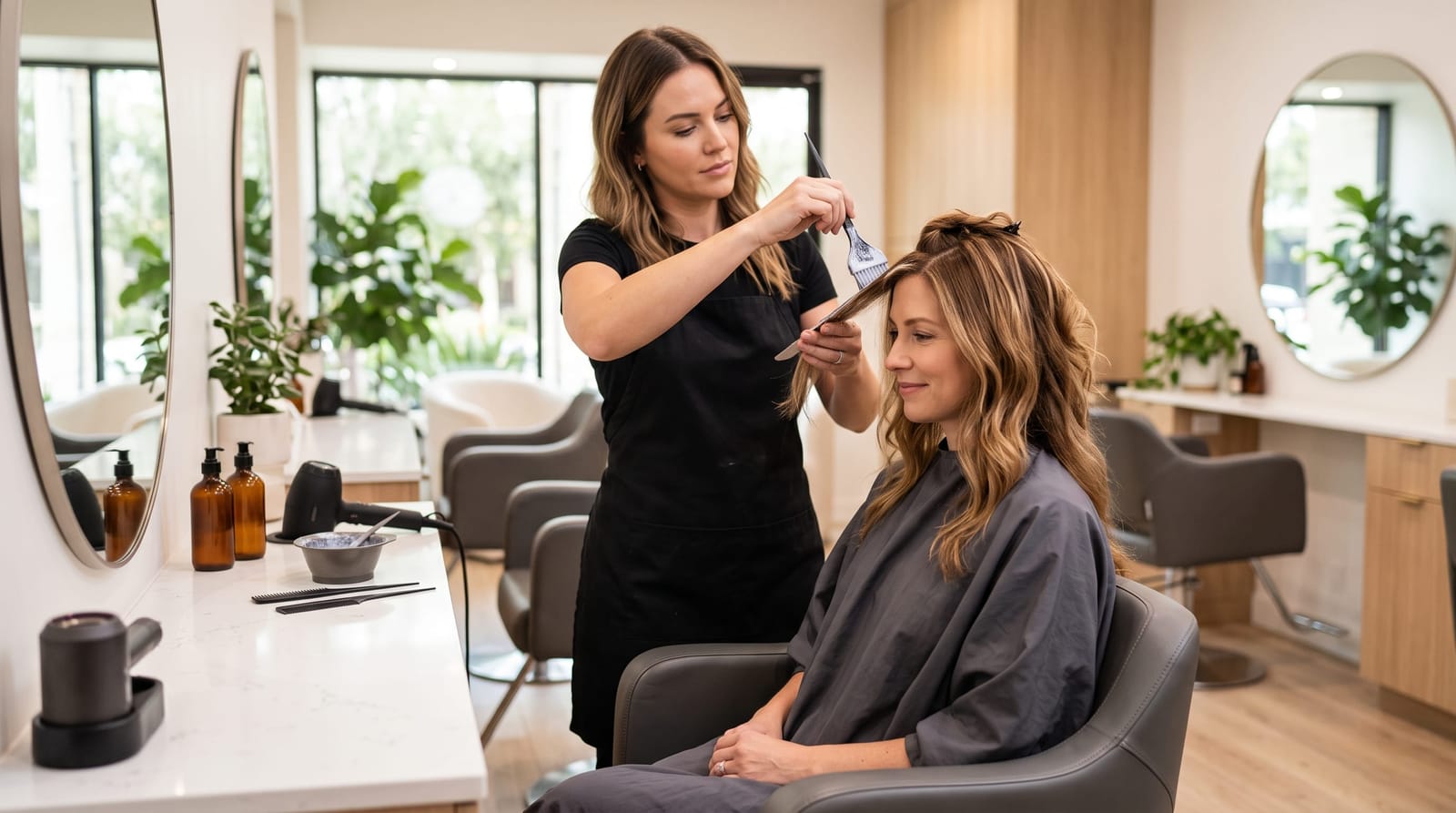
When it comes to choosing a hair color service, one of the most common questions we hear at IlonaR Style is: what's the difference between foil highlights vs balayage, and which one is actually right for me? It's a great question, and the honest answer is that both techniques are beautiful, effective, and professionally executed every day in our Marina Del Rey salon. But they work differently, look different as they grow out, and suit different lifestyles and hair types. As part of our complete guide to balayage hair color, this post breaks down the two most popular blonding methods side by side: covering technique, placement, maintenance, cost, and who benefits most from each. By the end, you'll walk into your consultation already knowing what direction feels right for you.
Understanding the Core Difference: How Each Technique Works
Before comparing results, it helps to understand how foil highlights and balayage are actually applied, because the technique itself drives every difference you'll see in the mirror.
How Foil Highlights Work
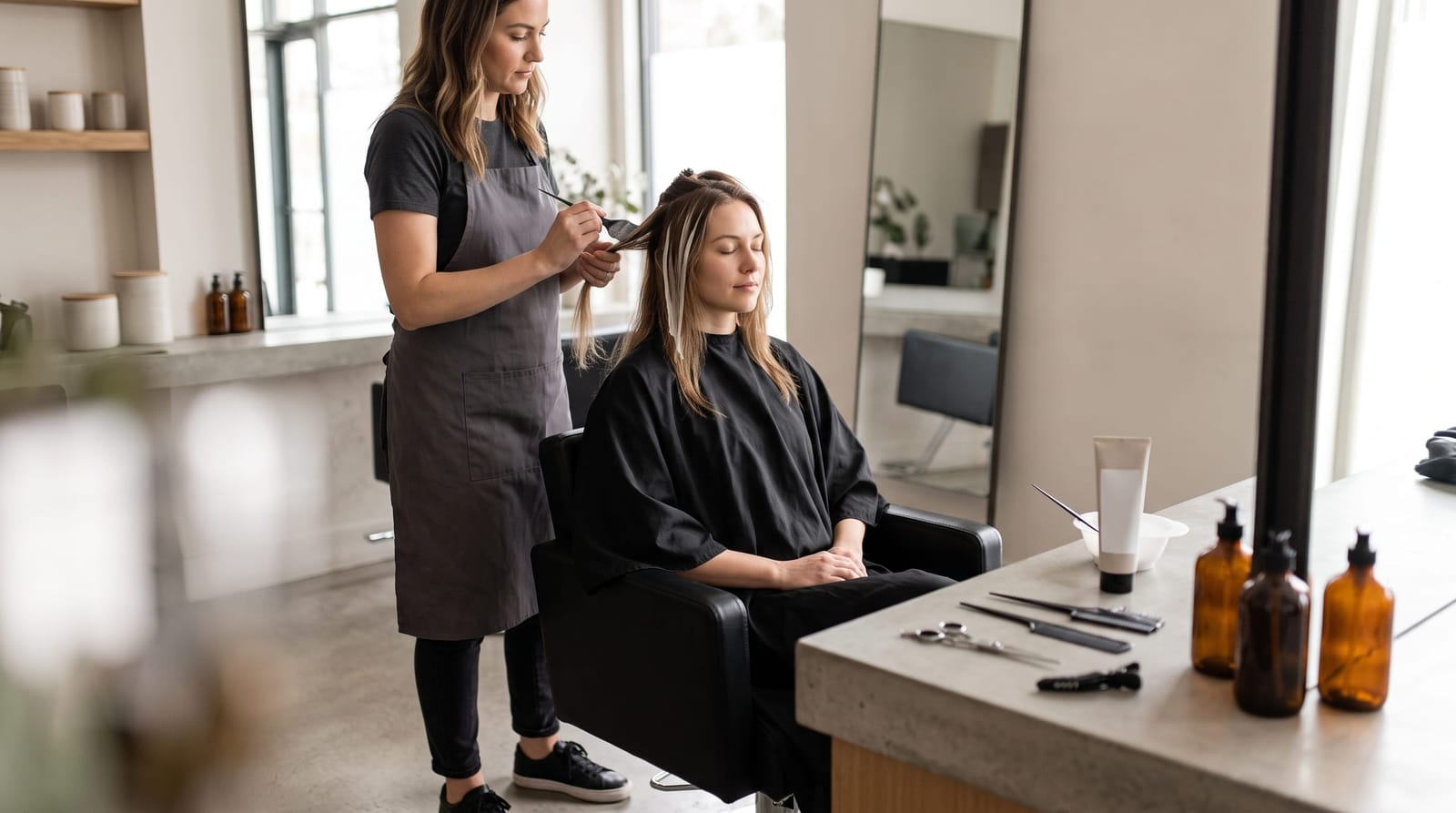
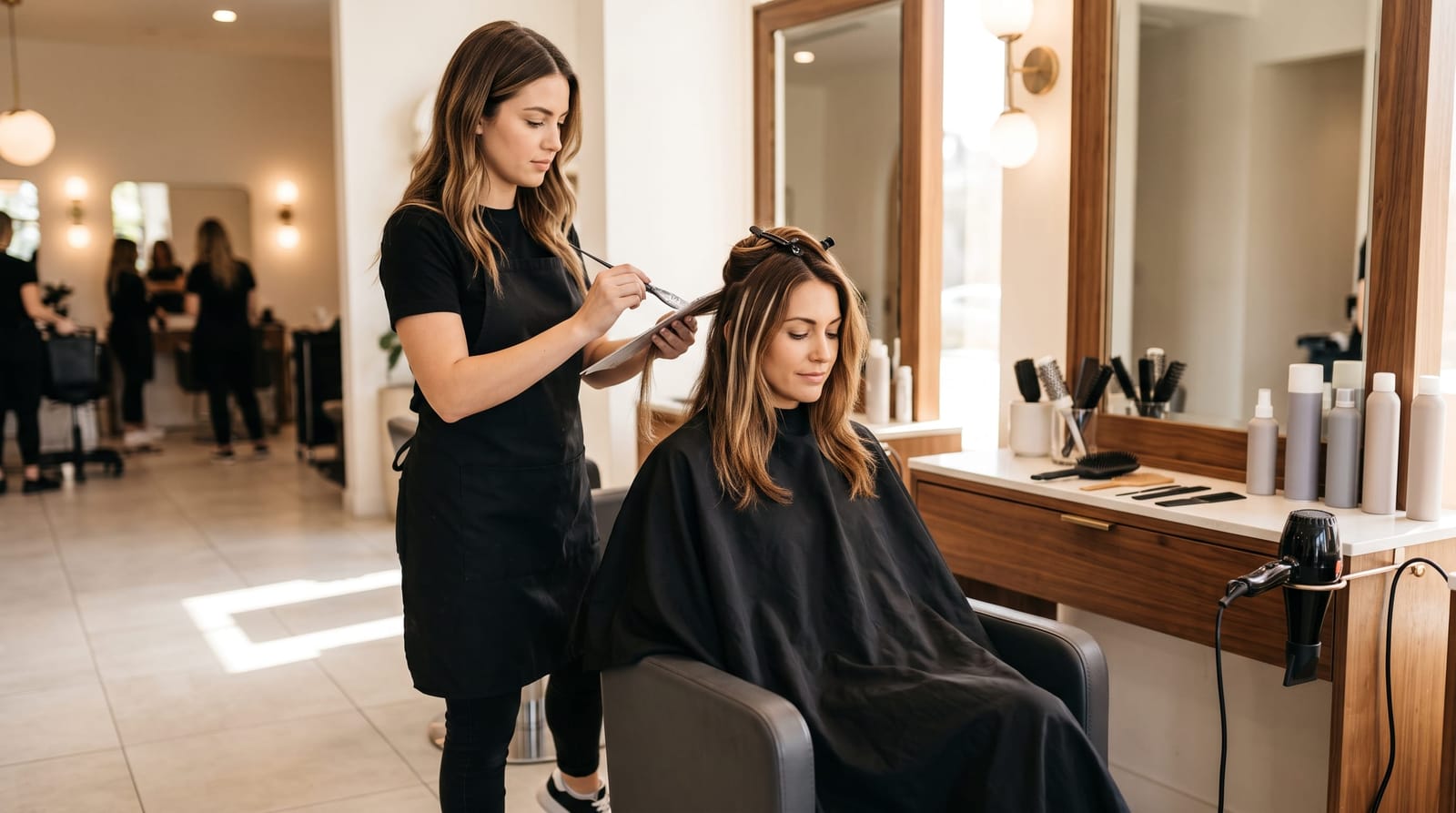
With foil highlights, your colorist weaves or slices sections of hair and wraps them in aluminum foil after applying lightener or color. The foil creates a sealed, controlled environment that traps heat and allows the lightener to process more efficiently. Because the product is completely isolated from surrounding hair, the color can lift more dramatically, often achieving 6 to 8 levels of lift in a single session. This is what gives foil highlights their signature brightness and defined contrast.
The placement typically starts very close to the root, which means you get visible color from the scalp down. Full highlight services usually take 2 to 3 hours in the salon, depending on hair length and density.
How Balayage Works
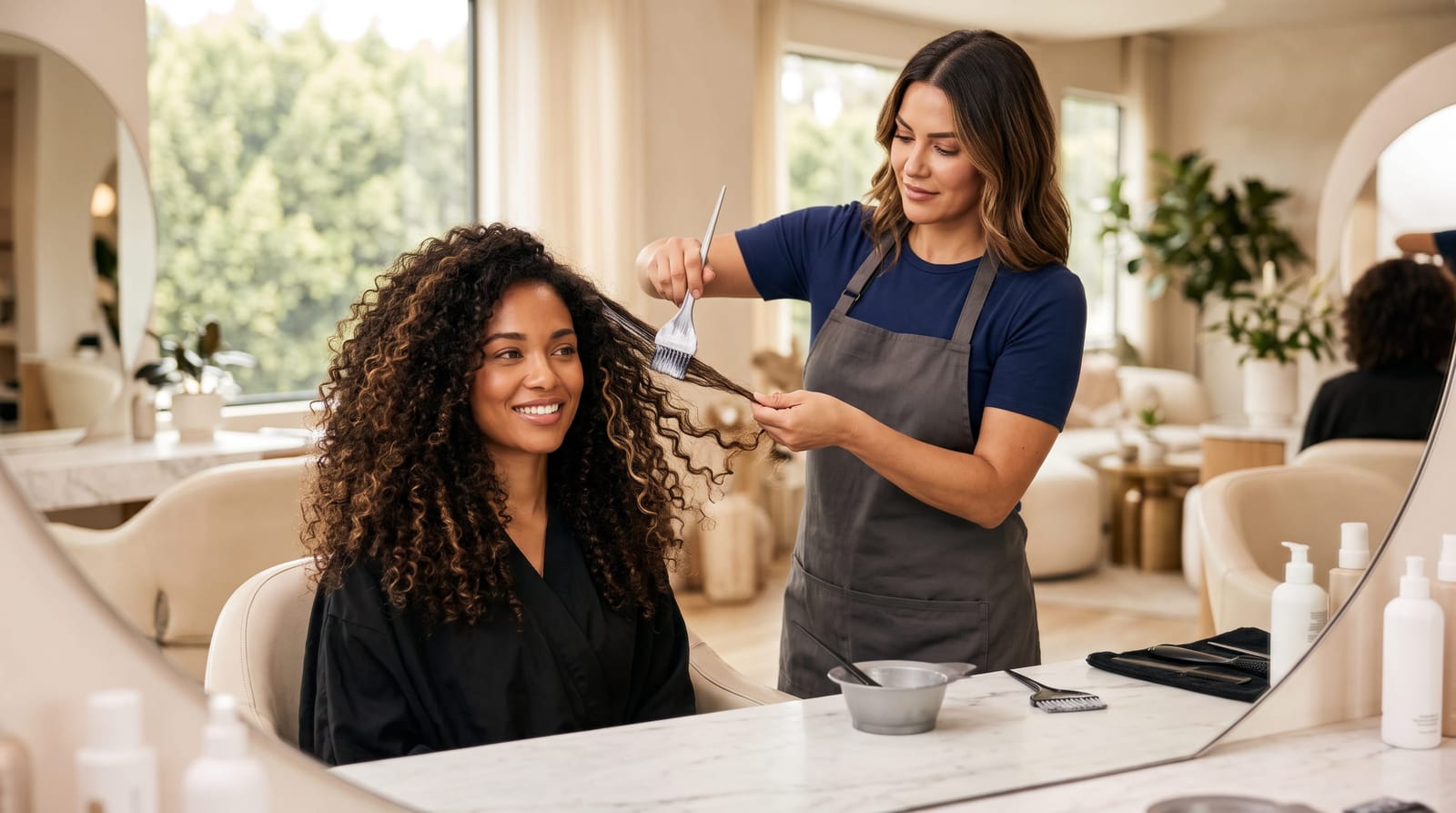
Balayage, a French word meaning "to sweep", is a freehand painting technique where your colorist applies lightener directly onto the surface of the hair without foils. Because there's no heat-trapping foil, the lightener processes at room temperature, creating a softer, more gradual transition from darker roots to lighter ends. The result is a sun-kissed, lived-in look that mimics the way hair naturally lightens from sun exposure.
Balayage is typically applied mid-shaft to ends, leaving the roots naturally darker. This placement is intentional: it's what creates that seamless, shadow-root effect that's become so popular among women who want low-maintenance color with maximum visual impact.
Comparing the Results: Brightness, Dimension, and Overall Look
The most obvious difference between foil highlights vs balayage is the finished appearance, and this is where personal preference plays the biggest role.
Foil Highlights: Bright, Defined, and High Contrast
Foil highlights produce more uniform, precise pieces of light throughout the hair. Because the lightener is fully enclosed and processing in a controlled environment, colorists can achieve significantly more lift: resulting in brighter, crisper blonde tones. Studies and professional surveys within the beauty industry consistently show that foil techniques can lift hair color 2 to 3 levels higher than balayage applied in a single session, which is why foils remain the go-to choice for clients making a dramatic dark-to-light transition.
If you're starting with very dark hair and want to reach a bright, platinum-adjacent blonde, foil highlights, often combined with a toning gloss, are typically the most efficient path. The look is polished, defined, and classic. Think crisp blonde pieces framing the face with noticeable contrast against your base color.
Balayage: Soft, Blended, and Natural-Looking
Balayage hair color creates a more gradient, dimensional result. Because there are no hard lines of demarcation and the color melts from darker at the root to lighter at the ends, the look feels effortlessly natural. Surveys of salon clients consistently show that approximately 70% of women who describe their color goal as "sun-kissed" or "natural-looking" are best suited for a balayage technique over traditional foils.
Balayage tends to complement wavy and textured hair beautifully, because the freehand placement follows the natural movement of the hair. The light catches differently on every wave, creating depth and dimension that looks multi-tonal rather than flat. For straight hair, balayage can still look stunning: it simply requires more deliberate sectioning to ensure the color reads as naturally blended rather than patchy.
Maintenance Schedules: How Often Will You Need to Come Back?
For the busy professional woman, maintenance is often the deciding factor, and this is where foil highlights vs balayage show one of their most meaningful differences.
Foil Highlight Maintenance
Because foil highlights are typically placed close to the root, regrowth becomes visible relatively quickly. Most clients with foil highlights return to the salon every 6 to 8 weeks to maintain a seamless look. Waiting longer can result in a noticeable dark root line that contrasts sharply against the highlighted pieces: a look that many clients find unflattering.
Over the course of a year, that typically translates to 6 to 8 salon visits for color maintenance alone, not counting toning glosses or treatments in between.
Balayage Maintenance
This is where balayage hair color earns its reputation as a low-maintenance technique. Because balayage leaves the roots naturally darker by design, there's no harsh regrowth line as your hair grows out. Most balayage clients comfortably return every 10 to 16 weeks, with many clients stretching appointments to every 4 to 5 months without their color looking grown out. That's typically 3 to 4 visits per year, compared to 6 to 8 for traditional highlights.
Many balayage clients also benefit from periodic toning glosses between full color appointments to keep their blonde fresh and eliminate brassiness. A gloss appointment is typically shorter and less expensive than a full color service, making it an easy add-on to a cut or blowout visit.
Cost Considerations: What to Expect Over Time
When evaluating the cost of foil highlights vs balayage, it's important to look beyond the single appointment price and consider the annual investment in your color.
Balayage services often have a higher single-appointment price point than a partial highlight service, largely because they require more technique and artistry: your colorist is hand-painting color in a freehand style that requires significant skill and time. A full balayage service at a premium salon can take 2.5 to 4 hours depending on hair length and desired result.
However, because balayage clients return less frequently, averaging 3 to 4 appointments per year versus 6 to 8 for foil clients, the annual cost often balances out or even favors balayage over time. When you factor in the time savings of fewer appointments, many women find balayage to be the more practical and cost-effective choice for their lifestyle.
Full foil highlight services, particularly for long or thick hair, can also be time-intensive and similarly priced per appointment, so the total annual investment is worth discussing with your colorist during your consultation, where pricing can be tailored to your hair and goals.
Which Hair Types and Lifestyles Suit Each Technique Best?
Both foil highlights and balayage hair color work beautifully across a range of hair types, but certain characteristics tend to make one technique a stronger match than the other.
Foil Highlights May Be the Better Fit If You:
- Have very dark hair and want to achieve a significantly lighter overall look in fewer sessions
- Prefer bright, uniform blonde pieces with visible definition and contrast
- Enjoy a more structured, classic color look rather than a natural, blended effect
- Have fine or straight hair where balayage can sometimes appear patchy without careful application
- Are comfortable with a 6 to 8 week touch-up schedule and enjoy regular salon visits
- Want more control over exactly where color is placed: around the face, throughout the mid-lengths, or focused on specific sections
Balayage May Be the Better Fit If You:
- Want a natural, sun-kissed look that grows out gracefully without harsh lines
- Have a busy schedule and prefer low-maintenance color that looks great between appointments
- Have wavy, curly, or textured hair that benefits from the soft, multidimensional placement balayage provides
- Are starting from a light-to-medium brown base and want to transition to a softer blonde without a dramatic jump
- Prefer longer intervals between salon visits: typically every 3 to 5 months
- Want dimension and depth rather than an all-over lightened effect
When a Combination Approach Makes Sense
It's worth noting that many colorists, including our team at IlonaR Style, frequently combine both techniques in a single service. For example, a client might receive balayage throughout the mid-lengths and ends for a soft, blended base, with foil highlights applied around the face for brighter, more defined framing pieces. This hybrid approach gives clients the natural grow-out benefits of balayage alongside the brightness and precision of foils. It's one of the most versatile and popular blonding approaches in the salon today.
Grow-Out and Long-Term Color Journey
How color looks as it grows out is one of the most underrated factors in choosing between foil highlights vs balayage, especially for women who tend to stretch their appointments.
With foil highlights, new growth creates a distinct line of demarcation between your natural color and the highlighted pieces. Depending on how light your highlights are versus your base color, this line can become noticeable after 4 to 6 weeks. For some clients, this provides motivation to keep their appointments on schedule. For others, it creates frustration during busy seasons when salon visits are harder to fit in.
Balayage hair color is specifically designed to grow out beautifully. The intentional shadow root means that as your hair grows, the natural root simply extends: there's no harsh line that announces regrowth. Many clients actually love how their balayage looks at the 12 to 16-week mark, as the color has fully settled and the dimension looks even more naturally blended. This graceful grow-out is one of the primary reasons balayage has remained one of the most requested color services in premium salons for well over a decade.
Related Topics Worth Exploring
If you're weighing your blonding options, a few related topics can help you refine your vision before your consultation. Understanding how hair highlights lowlights work together is particularly useful: adding lowlights to a balayage or highlight service creates depth and dimension that makes blonde color look far more natural and multidimensional, rather than flat or one-note. It's one of the most effective ways to customize either technique for a truly personalized result.
We also encourage you to explore our full pillar on balayage hair color, which covers everything from the initial consultation process to at-home care for color-treated hair: a complete resource for anyone beginning their blonding journey.
Making Your Decision: The Best Starting Point Is a Consultation
There's no universally "better" technique in the foil highlights vs balayage conversation: only the technique that's right for your hair, your lifestyle, and your vision. The most valuable thing you can do before booking a color service is come in for a consultation with a colorist who takes the time to understand all three.
At IlonaR Style in Marina Del Rey, we love these conversations. Whether you arrive with a clear vision or a folder full of inspiration photos you're not sure how to translate, our team is here to help you make sense of your options and create a color plan that works for your real life, not just for the day you leave the salon.
If you're ready to explore which blonding technique is the right fit for you, book a consultation with our team and let's build a color strategy designed around you.