Highlights and Color Together: How to Create a Natural, Dimensional Look
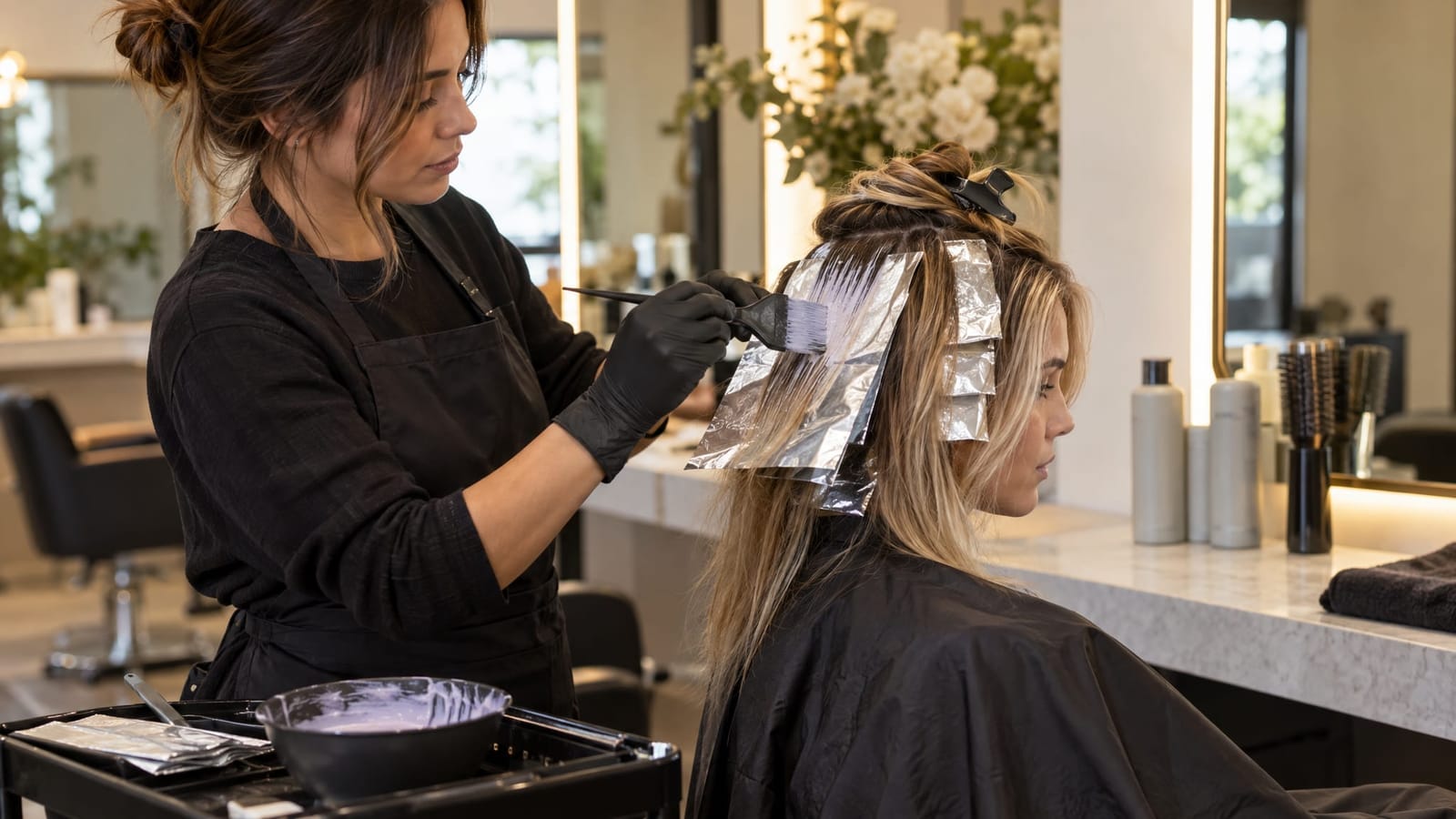
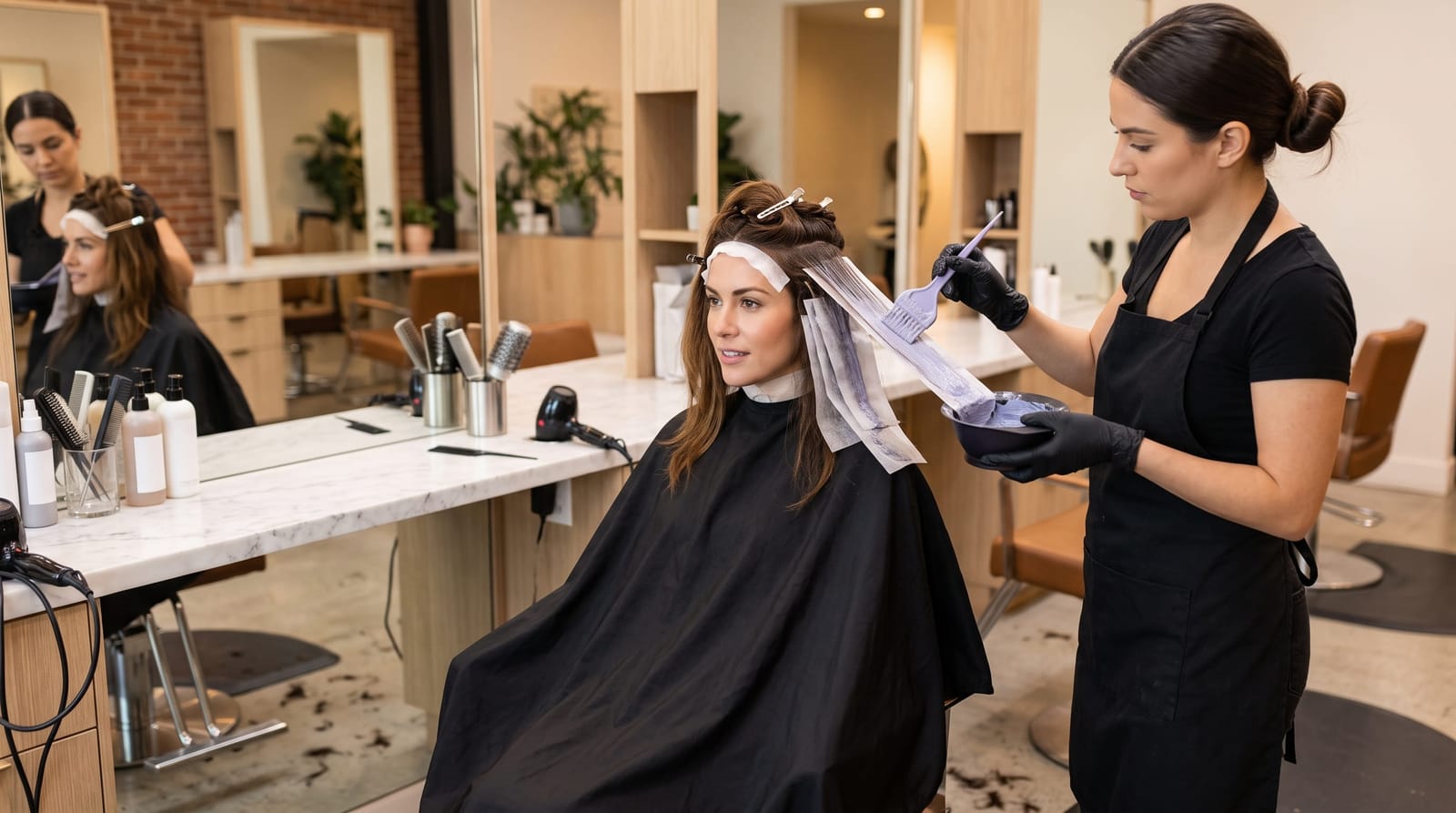
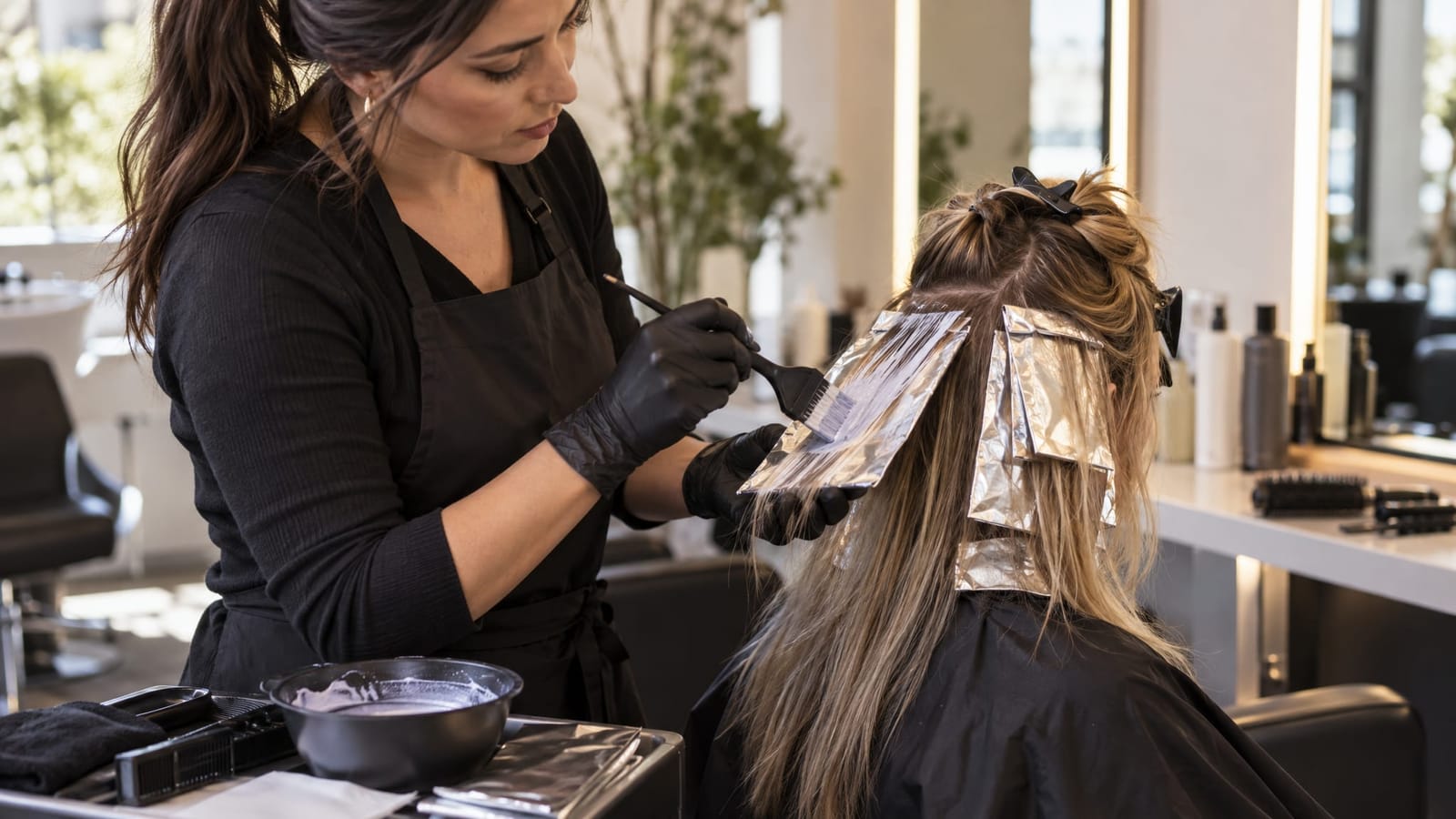
Combining highlights with hair color makes sense when you want to address two different things: the background shade of your hair and the lighter pieces that give it dimension. Color can cover gray regrowth or adjust your base shade, while highlights add brightness and contrast. Together, they can create a polished finish without making every strand the same color.
The key is choosing how much color you actually need. More highlighting does not automatically mean a better result, and a combined service does not necessarily mean coloring your hair from roots to ends.
At IlonaR Style in Marina del Rey, we offer partial highlight and color and full highlight and color in a private, one-on-one setting. Here is how to choose between them and build a hair color maintenance plan around the look you want to wear.
Step 1: Separate Your Base-Color Goal From Your Highlight Goal
Before choosing a service, identify what you want to change about your current hair. Is the concern visible gray at the part, an overall shade that feels too dark, or a lack of brightness around your face? These goals call for different approaches.
Decide what the color needs to do
The color portion of a combined service addresses the background against which the highlights sit. That might mean covering new gray growth, changing the shade of your natural roots, or refreshing faded lengths. Those are separate tasks, so they do not always require the same color application.
Decide what the highlights need to do
Highlights lighten selected strands rather than changing the whole background. They can frame your face, brighten the surface, or distribute lightness throughout the hair. Lowlights do the opposite, adding deeper strands to create contrast.
For example, if you like your brunette base but want gray coverage and brighter pieces around your face, a root-color application with partial highlights may fit better than an all-over color change.
If you like your natural root color and do not want gray coverage, highlights alone may be enough. Combining services is useful when each one has a clear purpose.
Step 2: Choose Partial or Full Highlights Based on Where You Want Brightness
The difference between partial and full highlights is primarily the area being highlighted, not simply how blonde the finished hair looks. Placement, strand size, and contrast all influence the result.
Choose partial highlight and color for focused brightness
Partial highlights concentrate on selected areas, often around the face, through the top, and along the part. Paired with color, they can refresh the most visible sections while preserving more depth underneath.
This combination is worth considering when:
- Your existing highlights still look balanced through the back and underneath.
- You mainly want brightness where your hair frames your face.
- You prefer a deeper overall look with a few lighter accents.
- Your color goal is root coverage rather than a major change through the lengths.
The tradeoff is that untouched sections remain darker. That contrast can look intentional, but it will be more visible when you wear your hair up or move your part.
Choose full highlight and color for brightness throughout
Full highlights distribute lighter pieces across more sections, including the back and underneath. Combined with color, they address both the background shade and a broader pattern of brightness.
This approach makes sense when the lower sections look noticeably darker than the top, when you frequently wear ponytails or updos, or when you want dimension throughout your haircut.
Full highlights do not have to look dramatically blonde. Fine, softly contrasting pieces can create a subtle result. They involve a broader lightening application, however, so the condition of previously lightened hair matters when deciding what to refresh.
Step 3: Set the Contrast, Tone, and Placement Together
A natural-looking result depends on the relationship between the base and the highlights. Choosing an attractive base shade and an attractive highlight shade separately is not enough; they need to work together.
Use contrast to control the overall effect
Highlights close to the depth of the base create quieter dimension. A larger difference between dark and light creates a more noticeable pattern. Neither is inherently better, but they make different statements and grow out differently.
For a softly dimensional brunette, think about lighter brown or caramel accents rather than assuming highlights must be blonde. For a brighter blonde result, keeping some depth between the light pieces helps preserve definition.
Choose tone without treating warmth as a flaw
Golden, beige, copper, and cooler tones each create a different finish. Warmth can be intentional and flattering; removing every warm note is not always the right goal.
A toner or gloss refines the tone of the finished color. It does not replace the lightening needed to make a strand substantially brighter.
Plan for the way you wear your hair
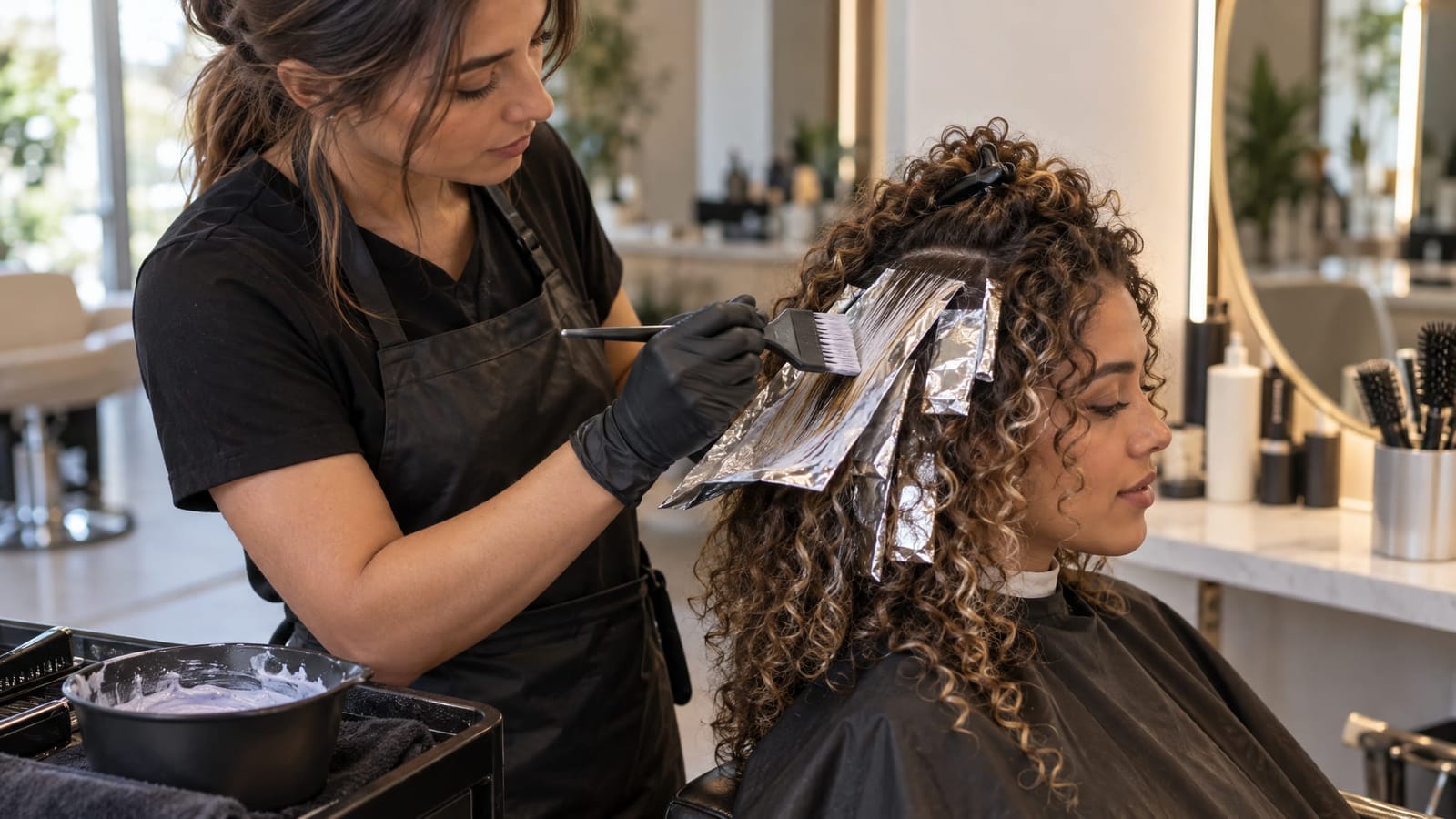
Show your usual part and explain whether you wear your hair straight, curly, tucked behind your ears, or tied back. Placement needs to make sense in those positions. With curls, consider how lighter pieces appear within the curl pattern, not only when the hair is stretched smooth.
Step 4: Define What Gets Colored and What Gets Lightened
“Highlights and color” describes a combination of services, not one fixed application. A useful plan distinguishes among new growth, previously colored lengths, and existing highlights.
If the lengths already have the depth you want, the color work can focus on the roots rather than repeatedly darkening everything. If the highlights remain bright but their tone has shifted, a gloss may address that without adding more lightener.
Previously colored hair also behaves differently from untouched new growth. Applying a lighter shade of color over old dark color does not reliably produce a lighter result. A substantial change from dark-colored lengths to a bright, dimensional finish can require a staged plan.
For the consultation, describe:
- Previous salon color and at-home color, including darker shades applied to the lengths.
- Where your hair has already been highlighted or bleached.
- Any smoothing services or extensions.
- Areas that feel especially dry, fragile, or difficult to detangle.
This information helps keep the plan focused on what needs changing rather than treating every section alike.
Step 5: Build Hair Color Maintenance Around Separate Needs
A combined appointment does not mean every future appointment needs to repeat the full combination. Roots, highlight placement, and tone have different maintenance needs.
Root color follows regrowth
If gray coverage is important to you, visible growth at the part and hairline may become the first reason for a refresh. Your preferred level of coverage matters as much as the amount of gray.
Highlights can soften the visual contrast between gray and darker hair, but they do not provide the same coverage as coloring the regrowth. Understanding how often to color gray hair helps distinguish a root touch up from a highlight appointment.
Highlight maintenance follows placement
Refresh highlights when the pattern no longer sits where you want it, such as when face-framing brightness has grown too far down or the top looks disconnected from the lengths.
A partial refresh can maintain selected areas between fuller highlighting sessions when the rest of the hair still looks balanced. Repeating full highlights simply because that was the original service is not always necessary.
Tone maintenance follows the shade
If your hair is still light enough but looks warmer or less balanced than you prefer, toner or gloss may be the relevant service. It adjusts tone rather than correcting dark regrowth or moving highlights closer to the scalp.
The practical tradeoff is important: softly blended highlights can have gentle grow-out, while full gray coverage can still create a visible root line. A low-maintenance highlight pattern does not automatically make the entire color plan low-maintenance.
Step 6: Keep Home Care Simple and Consistent
Home care supports the color between appointments. A manageable routine is more useful than a shelf of products that do not match your hair.
- Cleanse for your actual needs. Use a gentle shampoo intended for color-treated hair, and wash according to your scalp, activity level, and styling routine. There is no single wash schedule for everyone.
- Choose comfortable water temperatures. Lukewarm water is a practical alternative to very hot water. A cold rinse does not permanently seal color into the hair.
- Condition the lengths. Focus conditioner where the hair needs slip and softness. Richer masks can help dry-feeling lengths, while fine hair often needs lighter products.
- Limit unnecessary heat. Use heat protection when styling and avoid repeatedly passing a hot tool over the same section.
- Use tinted products for a specific tone goal. Purple shampoo targets yellow tones; it is not a universal treatment for every highlighted shade. Frequent use can make some blonde pieces look dull or overly cool.
Changes in softness and changes in tone are different concerns. A conditioning mask can improve the feel of dry lengths, but it will not correct highlight placement or cover new growth.
Step 7: Make the Final Choice With Three Clear Priorities
Before settling on a combination, put your preferences into three statements:
- What you want to keep: your brunette depth, natural root shade, existing blonde, or darker sections underneath.
- What you want to change: gray visibility, brightness around the face, overall dimension, or an unwanted tone.
- What maintenance you are comfortable with: regular root coverage, occasional highlight refreshes, or a more visible natural grow-out.
Reference photos are most useful when you can explain which detail you like. The goal is not to add every available color service. It is to give each part of the appointment a purpose, creating dimension that works with your haircut, your everyday styling, and the upkeep you prefer.