How Long Do Highlights Last? A Maintenance Guide for Busy Women in LA
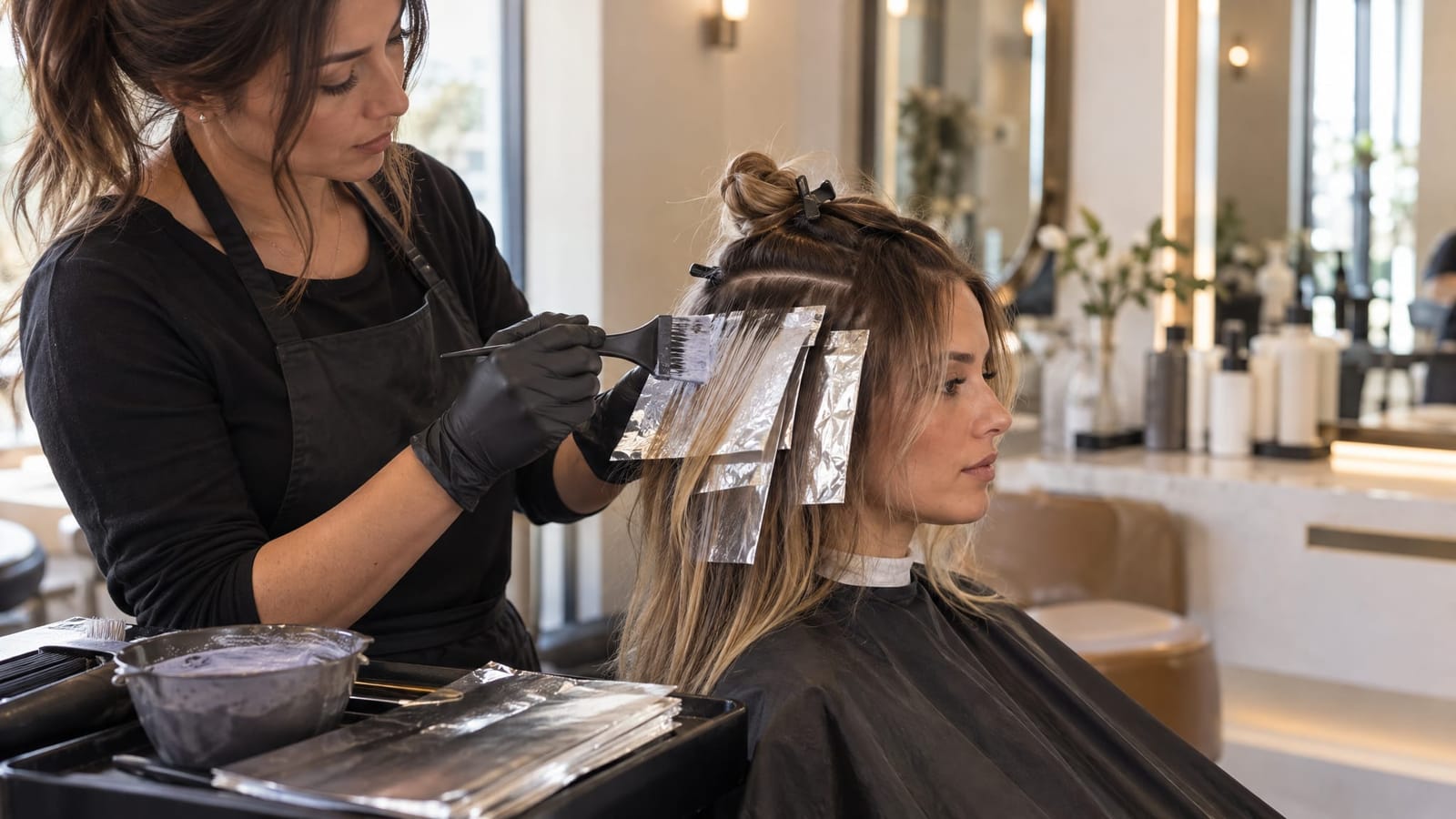
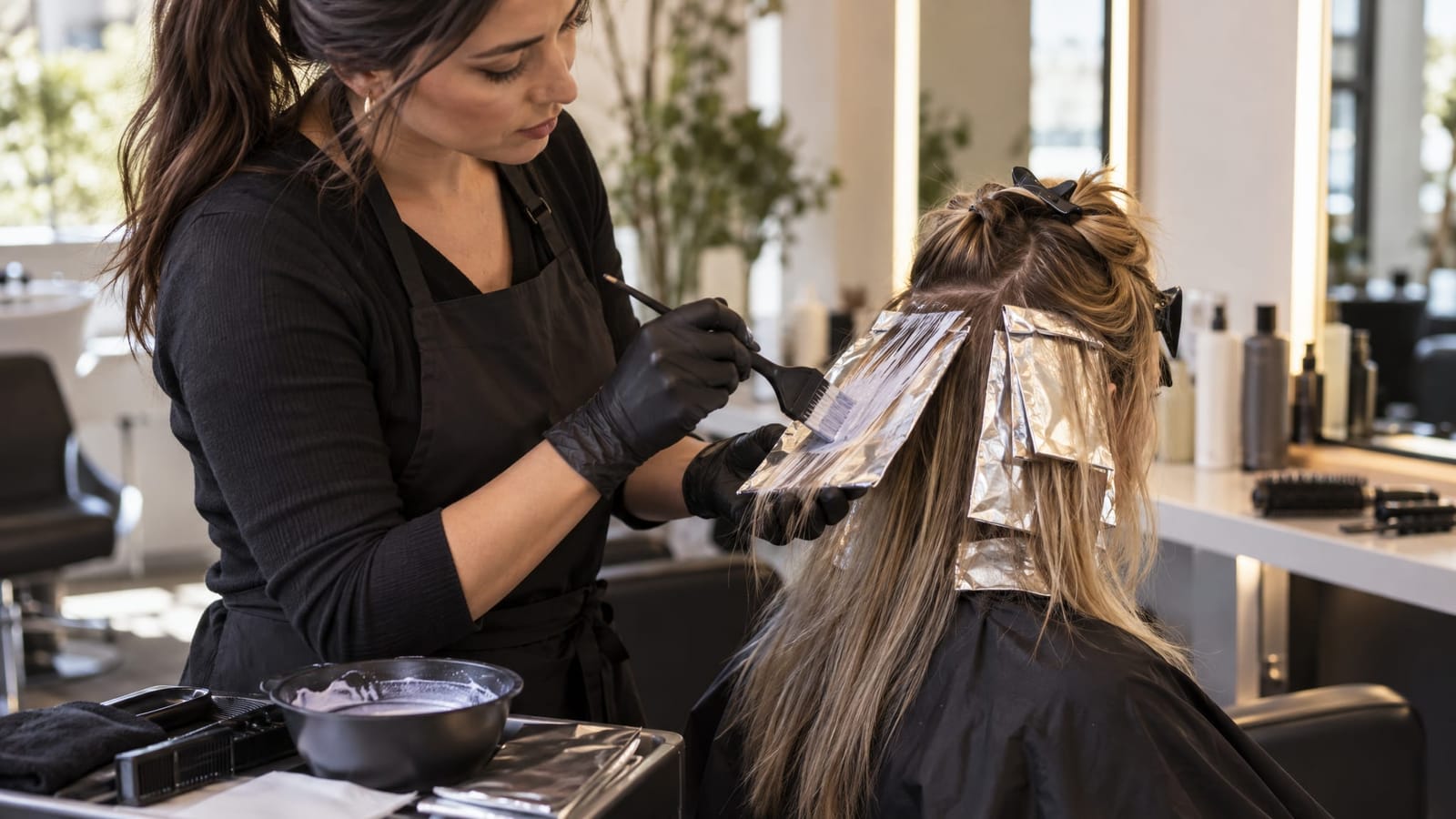
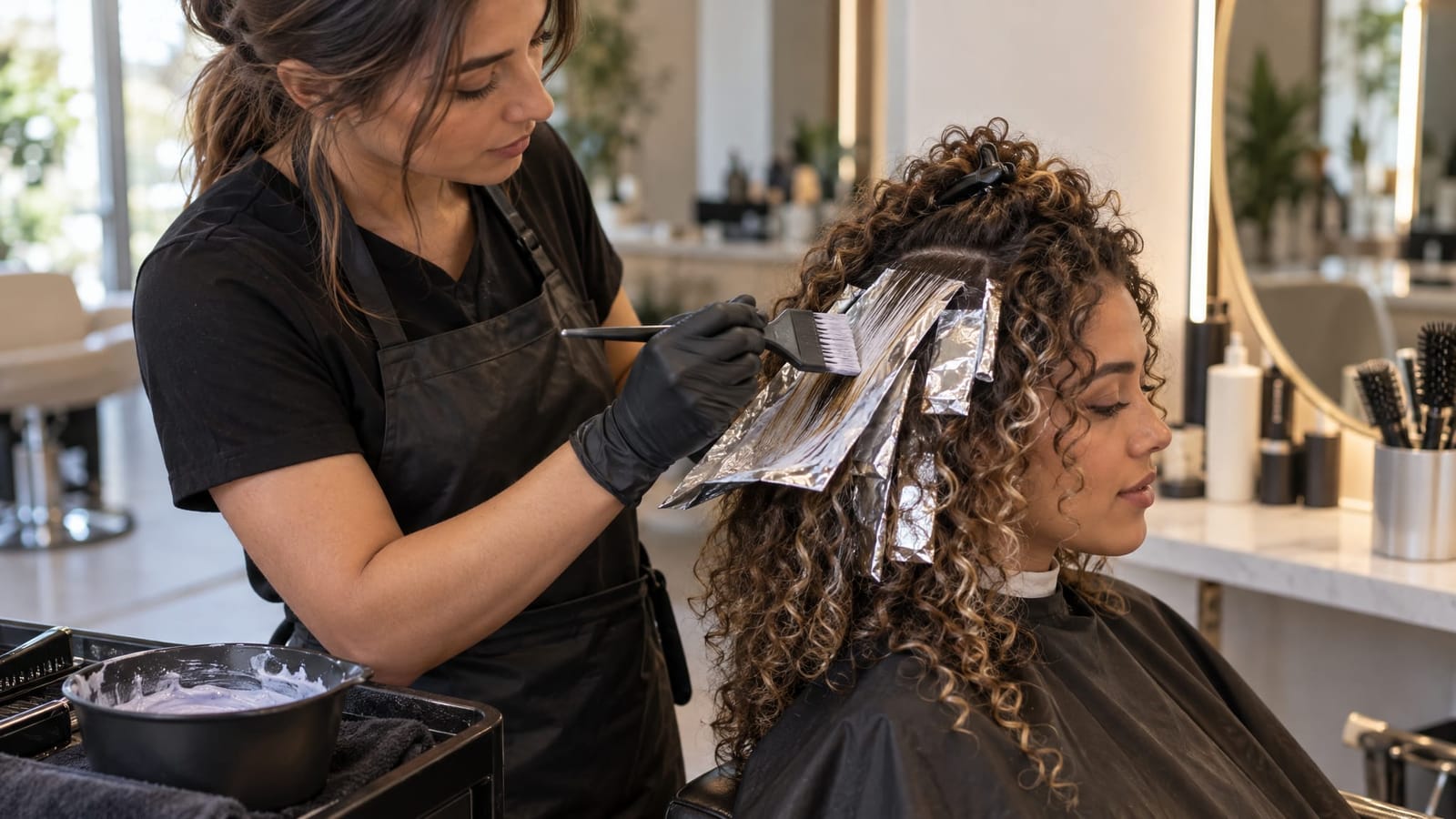
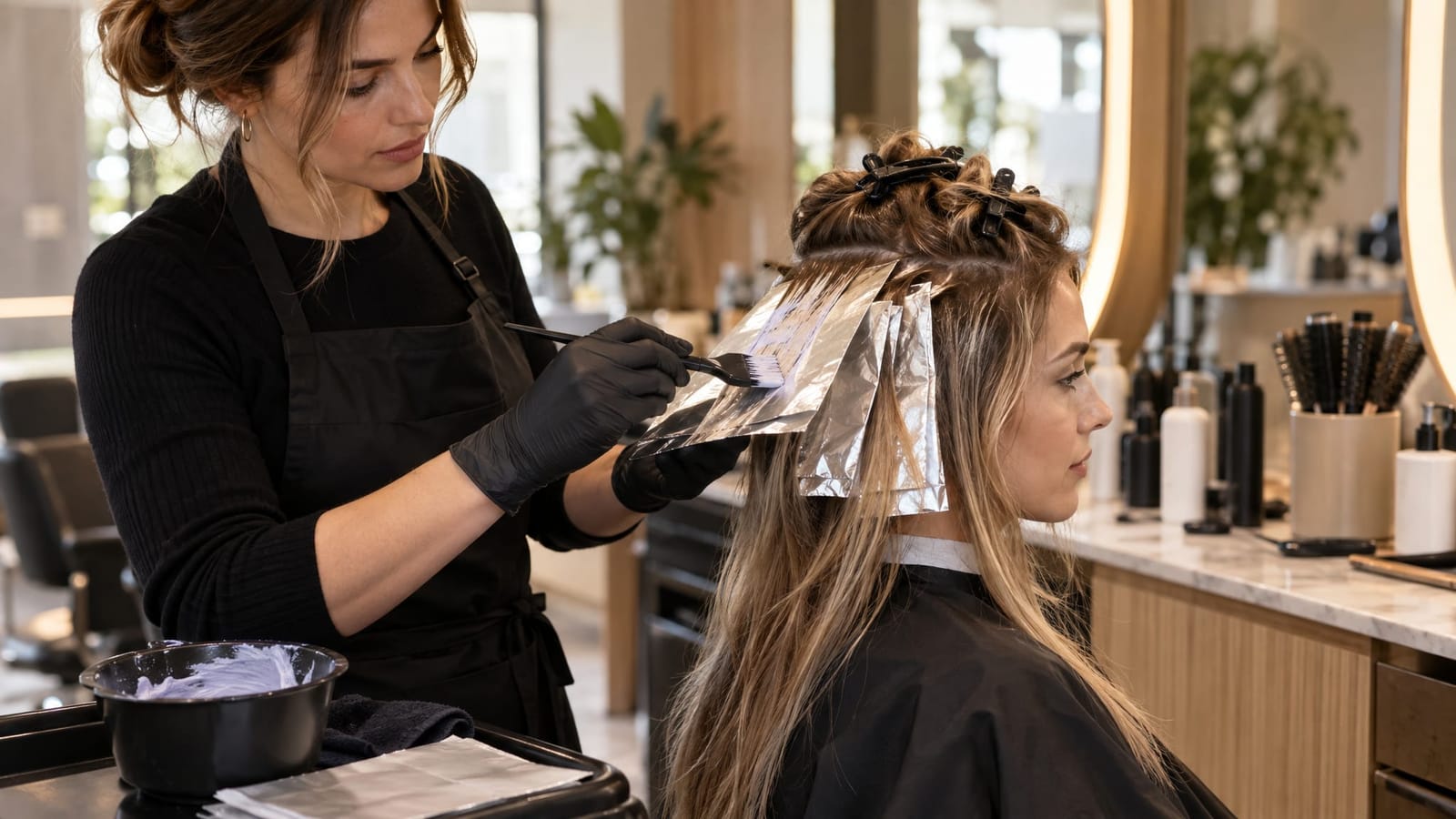
Balayage can stay softly blended for several months, while highlights placed close to the scalp usually show noticeable regrowth sooner. The important distinction: lightening does not wash out. What changes is the tone, the contrast at your roots, and how the placement looks as your hair grows.
A lower-maintenance color plan separates those changes instead of treating every appointment as a full highlight refresh. These best practices explain what to expect from partial highlights, full highlights, baby lights, and balayage, plus how to keep the finish looking polished between visits.
1. Separate Lasting Lightness from Lasting Tone
When highlights stop looking fresh, more lightener is not always the answer. Start by identifying what has changed:
- Root contrast: New growth reveals your natural color beside the highlighted sections.
- Tone: A beige, cool, or softly golden finish shifts as deposited color fades.
- Brightness and feel: Product residue, mineral buildup, or dryness can leave highlights looking dull rather than lighter or darker.
For example, a brunette with caramel balayage may still like the placement long after the original gloss has faded. A tone refresh can address unwanted warmth without adding more highlights. Someone with bright blonde foils beginning at the scalp may notice the root line first, even while the blonde through the lengths still looks good.
This distinction keeps maintenance focused on the actual concern and avoids repeatedly lightening sections that are already bright enough.
2. Compare Highlight Placement, Not Just Service Names
Partial and full highlights describe coverage. Baby lights describe the fineness of the highlighted sections. Balayage describes a painting technique. These categories can overlap, so a service name alone does not determine how often color needs attention.
Partial highlights: Target the areas you notice most
Partial highlights brighten selected areas rather than the whole head. Their upkeep depends on placement: fine pieces around the part may blend softly, while a bold face-framing section can make regrowth more obvious.
They can also serve as a focused refresh between fuller appointments. If the lengths still have enough dimension but the top looks dark, updating only the visible areas may be enough. Our comparison of partial highlights and full highlights explains the coverage differences.
Full highlights: More coverage, not automatically more upkeep
Full highlights add dimension throughout more of the hair, including areas underneath. This can matter if you regularly wear your hair up or want brightness throughout the style.
A full highlight does not automatically grow out faster than a partial highlight. Root placement, contrast, and how much natural color remains between the lighter pieces have more influence on how noticeable regrowth becomes.
Baby lights: Fine strands, with density making the difference
Baby lights use very fine sections to create delicate dimension. When softly spaced, they can blend discreetly with natural growth. When packed closely together for an overall blonde effect, they can still create a noticeable change at the roots.
The baby lights technique is worth understanding if you like subtle variation rather than distinct ribbons of color.
Balayage: Soft roots, with tone maintained separately
Balayage often leaves more natural depth near the scalp, reducing the appearance of a sharp grow-out line. That is why it can suit a longer gap between lightening appointments.
However, balayage is not maintenance-free. Very light ends or a cool-toned finish can need attention before the placement needs refreshing. A bright face frame may also grow out more visibly than the softer pieces elsewhere.
3. Build a Touch-Up Schedule Around the Smallest Useful Refresh
Instead of assuming every visit needs the same service, use a schedule with separate checkpoints for tone, roots, and overall placement.
- Between lightening appointments: Assess whether the tone still suits you. If the placement looks good but the blonde has become warmer than intended, a toner or gloss may be the relevant refresh.
- When visible regrowth interrupts the style: Consider a targeted partial highlight refresh, especially around the part and face, rather than automatically redoing the whole head.
- When brightness feels uneven throughout: Reassess the overall placement. A fuller refresh can address areas that a top-section touch-up would leave untouched.
- When roots need color rather than lightness: Treat a color touch-up as a separate need. Highlight maintenance and gray blending or coverage do not always follow the same schedule.
A soft balayage may move through several tone or styling changes before it needs more lightening. A root-close blonde look usually makes regrowth the deciding factor sooner. The useful question is not simply “Is it time?” but “Which part of the color needs updating?”
At IlonaR Style in Marina del Rey, we offer partial and full highlights, baby lights, balayage, and toner or gloss, allowing placement and tone to be addressed separately. Our guide to how often to get highlights explores how different maintenance needs fit together.
4. Choose Home-Care Products by What Your Hair Needs
A focused routine is more useful than a crowded shelf. Build around cleansing, conditioning, and protection, then add a corrective product only when there is a reason.
- Color-safe shampoo: Choose a cleanser intended for color-treated hair that also leaves your scalp and hair comfortably clean. Wash according to your needs rather than stretching washes until buildup becomes noticeable.
- Conditioner: Match the weight to your hair. Fine strands often suit lighter formulas, while coarse or heavily lightened lengths may benefit from richer conditioning.
- Conditioning mask: Use when the lengths feel rough or difficult to detangle. A mask can improve softness and manageability, but it does not restore natural pigment removed by lightening.
- Heat protectant: Include this when blow-drying or using hot tools, following the product directions.
Purple and blue shampoos have a narrower purpose. Purple pigment helps counter yellow tones; blue pigment targets orange tones. Neither makes hair lighter, and neither needs to be part of every wash. Excess pigment can leave pale highlights looking muted or uneven.
If you like warm honey or caramel highlights, automatically neutralizing every warm tone can work against the intended color. For more everyday care choices, see our guide to maintaining highlights between salon visits.
5. Reduce Unnecessary Sun, Pool, and Heat Exposure
Outdoor time can affect color as well as texture. Sun exposure can alter hair color, while pool water and repeated heat styling can leave lightened lengths feeling less smooth. A few practical habits help limit avoidable wear:
- For extended outdoor time: Use a hat as a physical barrier rather than relying entirely on a styling product.
- Before swimming: Wet hair with fresh water. A swim cap offers another barrier, and rinsing afterward helps remove pool water or salt.
- When heat styling: Avoid repeated passes over the same section. For conventional flat irons and curling irons, start with fully dry hair and follow the tool’s instructions.
- Between washes: Refresh only the sections that need reshaping rather than reheating the entire style.
These habits will not stop regrowth or keep a toner unchanged indefinitely. Their value is in helping the highlighted lengths retain a smoother, more polished appearance while the color grows out.
6. Distinguish Water Buildup from Fading Color
If highlights look dull and feel coated, adding purple shampoo may not solve the problem. Hard water contains dissolved minerals that can leave deposits on hair. Styling-product residue can also affect shine and feel.
The distinction matters when choosing a cleanser:
- Clarifying shampoo is generally intended to remove accumulated product residue and oils.
- Chelating or mineral-removing shampoo is formulated to address mineral deposits. Some products combine both functions.
Use these products according to their labels, including guidance for color-treated hair. Stronger cleansing can also affect deposited tone, so it is not automatically a better choice for every wash.
A shower filter and a water softener are not interchangeable. Filters differ in what they remove, and a general filtration claim does not necessarily mean the product reduces hardness minerals. Match any purchase to the water issue it is designed to address.
7. Keep a Simple Record of What Needs Attention First
A quick photo in consistent natural light can make maintenance decisions easier. Photograph your usual part and the front of your hair after an appointment, then compare when something starts to feel different. Bathroom lighting and camera filters can exaggerate warmth or hide contrast.
Note whether the first change is visible roots, warmer ends, reduced shine, or brightness disappearing when you tie your hair back. That observation helps distinguish a placement issue from a tone or care issue.
For example, if your loose hair still looks dimensional but your ponytail appears much darker underneath, another top-only refresh may not address your preference. If the placement looks balanced but the finish is too warm, our explanation of toner and gloss treatments clarifies what a finishing service can change.
The Goal: Maintain the Finish Without Repeating Every Service
Long-lasting highlights depend on more than the technique name. Soft root contrast helps the grow-out, thoughtful home care supports the finish, and targeted appointments address only what has changed. The most manageable plan preserves the lightness you already like while refreshing tone or placement when it genuinely needs attention.