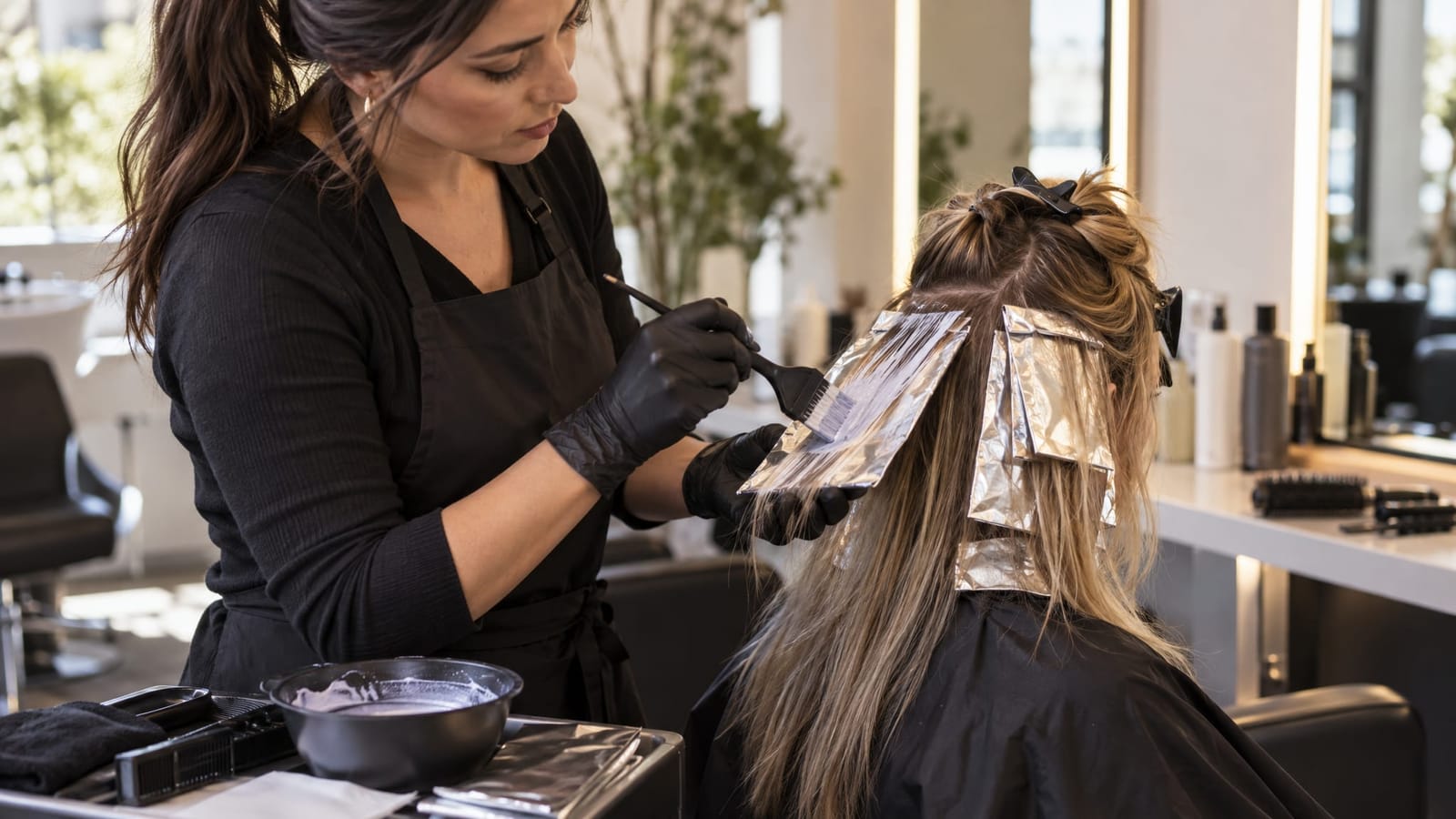
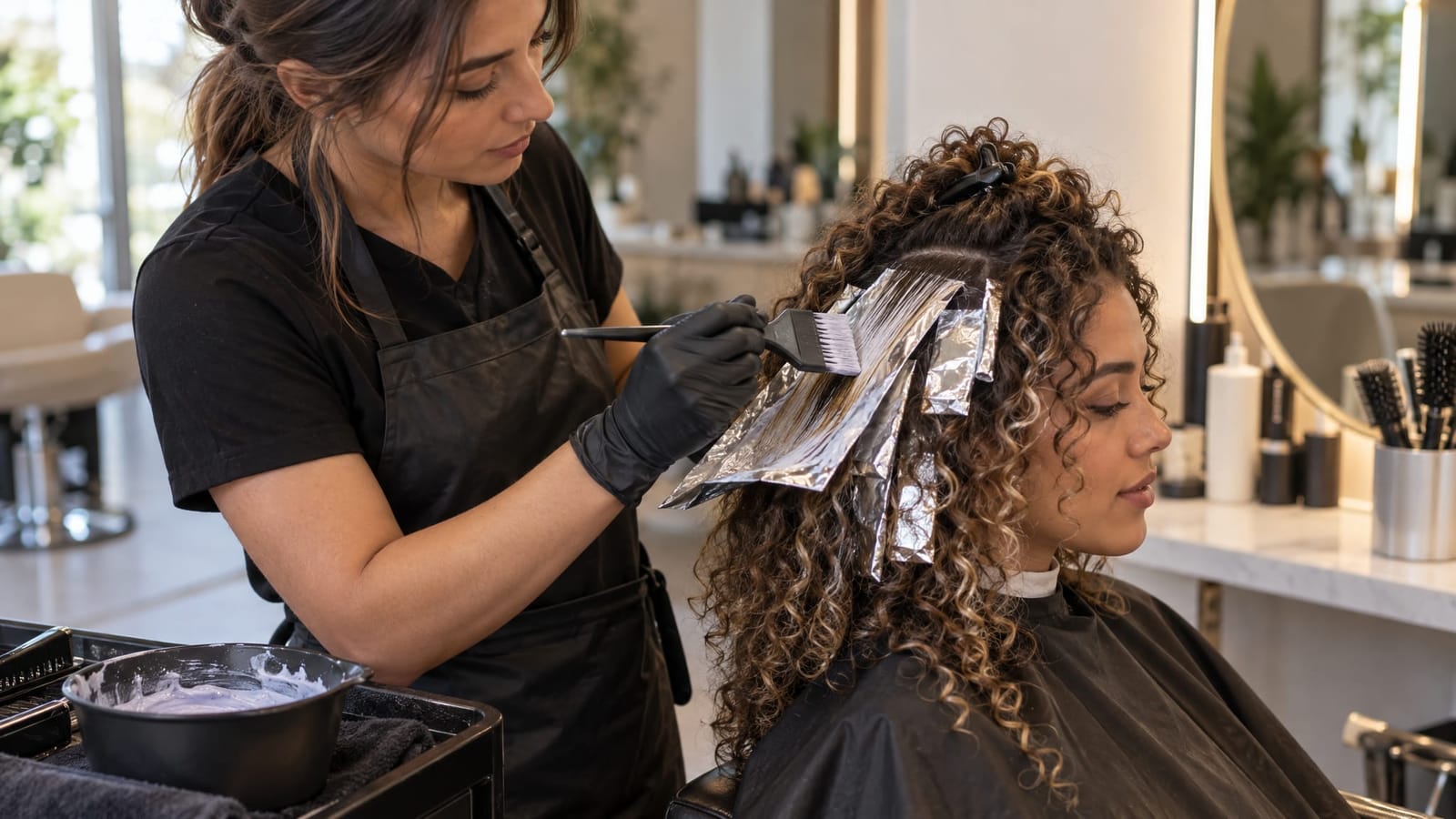
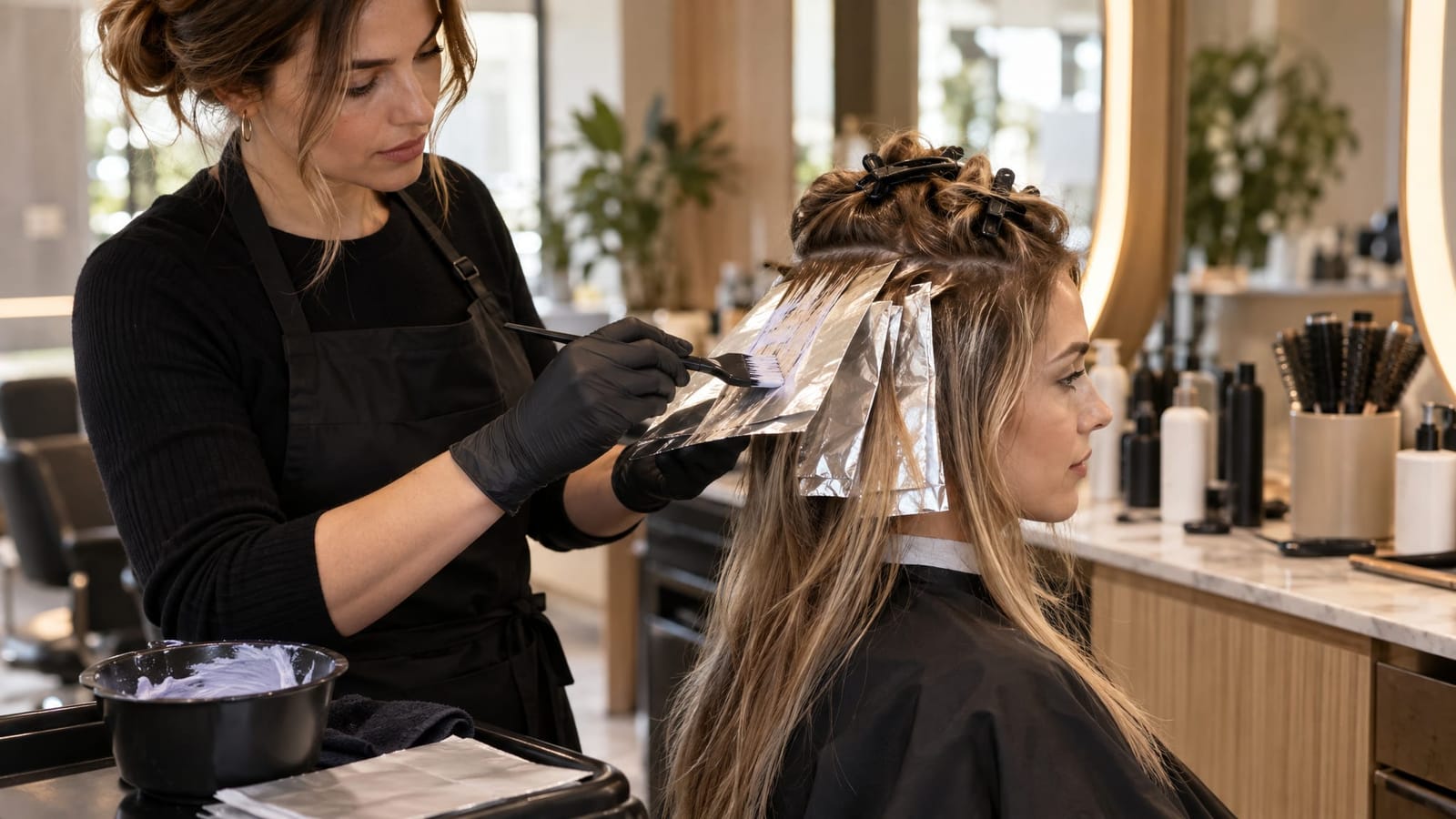
Partial Highlights and Color vs Full Highlights and Color: A Side-by-Side Comparison
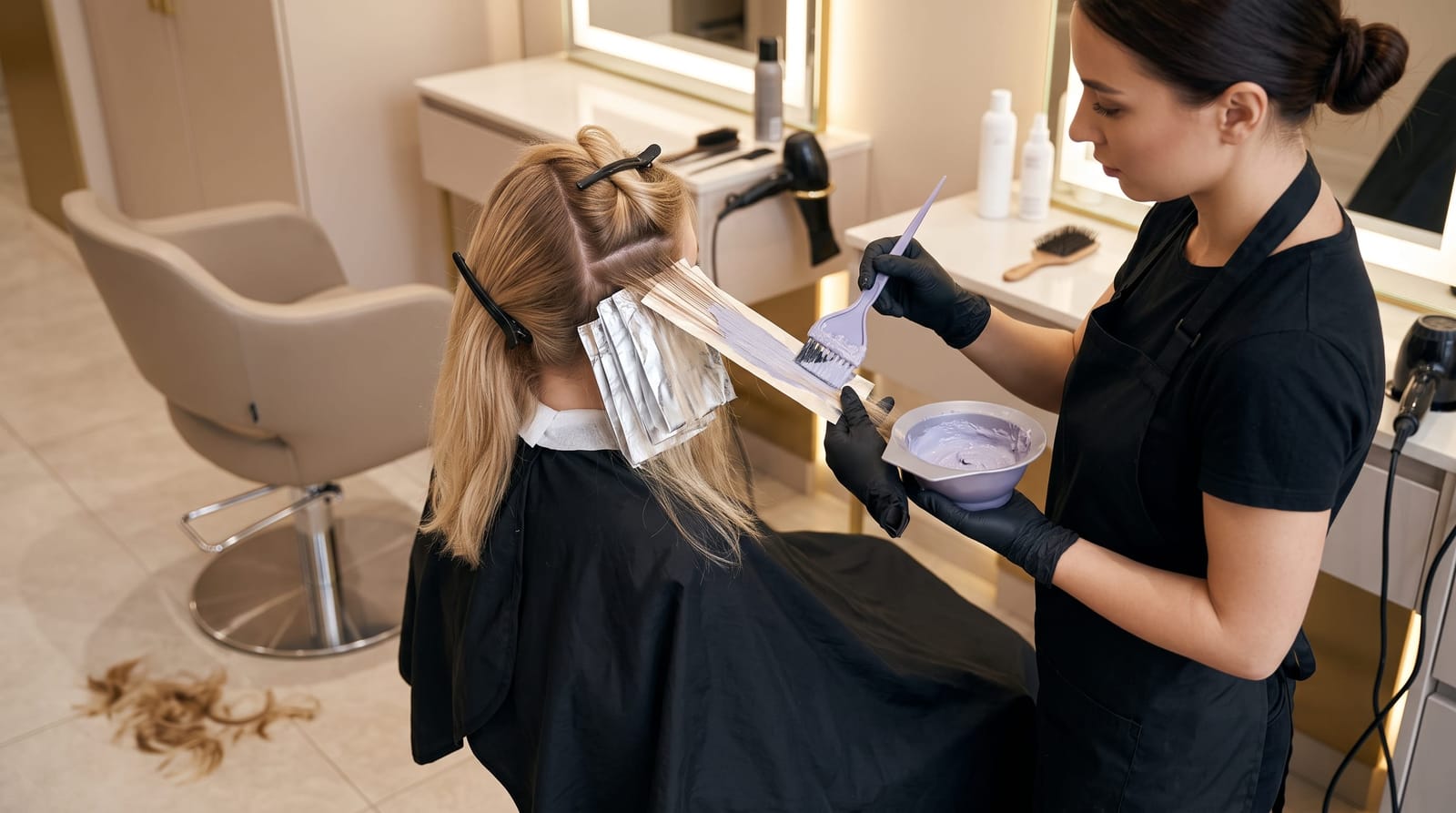
Choose partial highlights and color when you want brightness concentrated around your face, part, and upper layers while keeping depth underneath. Choose full highlights and color when you want dimension distributed throughout your hair, including the back and lower sections that show when you wear it up.
The important distinction is coverage, not necessarily how blonde or subtle the result will look. Both options can be understated or more noticeable, depending on placement and contrast. The color steps performed alongside the highlights also shape the finished look and its upkeep.
At IlonaR Style in Marina del Rey, we offer both options in a private, one-on-one setting. Your desired result, existing color, and everyday styling habits are the most useful starting points for choosing between them.
Partial vs Full Highlights and Color: At a Glance
| Comparison | Partial Highlights and Color | Full Highlights and Color |
|---|---|---|
| Typical coverage | Selected areas, often the hairline, part, and upper layers. | Highlight placement throughout the head, including the back and underneath. |
| Visual effect | Focused brightness with more existing depth left visible. | More broadly distributed brightness and dimension. |
| Hair worn up | Lower sections may remain darker unless specifically included. | Can include the nape and lower sections visible in ponytails and updos. |
| Time in the chair | Usually less highlight application work, though additional color steps affect the total appointment. | Usually more application work because more areas are addressed. |
| Cost comparison | Often the lower-priced option when other service components are comparable. | Often priced higher because of broader placement and additional work. |
| Best starting point | A focused refresh or brightness around the face. | An all-around change or a refresh of darker areas beyond the top layers. |
Exact placement is tailored to the look you want. To compare appointments fairly, look at the coverage and the accompanying color work together.
What Does “And Color” Include?
“And color” can refer to root color alongside highlights, an overall color service, or another color step. Comparing the complete plan helps you distinguish between adding brightness, changing your base shade, and refining the tone.
- Root color: Addresses the base color at the regrowth area and can be part of a gray-coverage plan.
- Highlights: Create lighter pieces within the hair.
- Lowlights: Introduce darker pieces for depth rather than additional brightness.
- Toner or gloss: Can refine the tone of the color, but does not replace the placement work of highlights.
Ask which base-color work, toner or gloss, and finishing steps are included in the proposed appointment. A partial service with several additional steps is not directly comparable to a full-highlight service without those steps.
Coverage: Where Do You Want to See the Change?
Partial highlights suit a focused refresh
Partial placement makes sense when you like the depth through the back and underneath but want the areas framing your face to feel brighter. It can also refresh an earlier full-highlight service when the lengths and lower sections still look balanced.
For example, if you usually wear your hair down with a side part and your main concern is a darker-looking top layer, partial placement can concentrate brightness where you see it most.
The tradeoff is that untouched areas remain as they are. If the darker sections through the back or underneath are what you want changed, placement limited to the top and front will not address that goal.
Full highlights suit all-around dimension
Full highlights cover more areas of the head. That can be useful if you wear your hair half-up, change your part, or want lighter pieces visible through the back as well as the front.
“Full” does not mean every strand becomes lighter. Darker strands can remain between highlights to preserve depth and contrast. It also does not automatically mean a dramatic blonde result: the amount of brightness and its placement are separate decisions.
Foil Highlights vs Balayage: A Different Decision
Partial versus full describes coverage. Foil highlights versus balayage describes how the highlights are applied. These choices work together rather than replacing one another.
With foil highlights, selected sections are separated and enclosed in foils during processing. This allows precise placement, including fine highlights close to the roots. The result can be delicate and blended or brighter and more defined, depending on the size, spacing, and tone of the highlighted pieces.
Balayage is a hand-painted approach that can concentrate brightness through the lengths and ends while leaving a softer transition near the roots. It does not have to be barely noticeable, just as foil highlights do not have to look striped.
A partial foil service can create subtle brightness around the face. Full balayage can distribute painted highlights throughout the head while retaining depth near the roots. Some color plans combine painting and foils to achieve different effects in different areas.
Describe both the coverage and the grow-out you prefer. “Brightness underneath, with a soft root transition” gives a clearer direction than simply requesting “full.”
Chair Time and Cost: Compare the Whole Appointment
Fewer highlighted sections do not necessarily mean a short visit. Root color, toning, hair length and density, previous color, and finishing all affect the appointment plan.
For a useful comparison, request an estimated total appointment length and a breakdown of what each option includes. Helpful questions include:
- Does this quote include the base-color work we discussed?
- Is toner or gloss included?
- Does the appointment include a blow-dry or haircut?
- Would my existing color require a different service plan?
The practical choice is the service that addresses your intended change. A lower-coverage appointment is not a like-for-like substitute if the areas you want changed fall outside its placement.
Maintenance: Look at Root Contrast, Not Just Coverage
A partial service is not automatically lower-maintenance than a full one. Bright highlights placed close to a darker natural root can create a more noticeable grow-out line, even when only a small area is highlighted.
A softer transition between the natural root and lighter lengths can make regrowth less obvious. This is one reason balayage appeals to clients who prefer a blended grow-out, but foil placement can also be designed with a soft root transition.
Base-color regrowth may need attention on a different schedule from the highlights. For example, the lighter pieces through your lengths might still look balanced when your root color is ready for a refresh.
Discuss which part of the result is likely to need attention first. For everyday care, our guide to highlights and hair condition also discusses color safe shampoo.
Frequently Asked Questions
Can I alternate full and partial highlights?
Yes. Alternating can be a useful maintenance approach when the back and lower sections still look balanced. Choose the coverage based on where the color needs attention at each visit rather than following a fixed rotation.
Do full highlights cover gray hair?
Highlights can help blend the appearance of gray strands, but blending and covering are different goals. If coverage is your priority, discuss how base color fits into the service rather than assuming full highlights will provide it.
Can partial highlights look natural on dark hair?
They can. A natural-looking effect depends on the contrast, tone, and distribution of lighter pieces, not just the number of sections highlighted. Reference photos showing a similar starting color make it easier to describe the level of brightness you prefer.
Make the Choice Around Your Everyday Hair
Before a color consultation, identify where you want more brightness and where you want to keep depth. Include how you wear your hair, whether gray blending or coverage matters to you, and how noticeable you are comfortable letting regrowth become.
Bring reference photos that show the front and back of a look, not just a close-up of the face-framing pieces. Those details help turn “partial or full?” into a more useful conversation about placement, tone, and a maintenance plan that fits your routine.