Sew-In vs Tape-In Extensions: Which Method Is Better for Your Hair and Lifestyle?
When it comes to adding length and volume with extensions, two methods consistently top the conversation: sew-in and tape-in extensions. Both deliver beautiful results, but they work very differently, and the right choice depends on your hair type, daily routine, budget, and how much upkeep you're realistically willing to commit to. If you've been exploring the world of extensions through our complete guide to tape-in hair extensions, you already know there's a lot to consider. This deep dive takes it a step further by putting sew-in and tape-in methods side by side across every factor that matters to a busy professional woman: installation time, longevity, scalp comfort, styling flexibility, damage risk, maintenance, and cost. Let's break it all down.
How Each Method Works: A Quick Primer
Before comparing the two side by side, it helps to understand what each method actually involves, because the installation process shapes everything that follows.
Tape-In Extensions
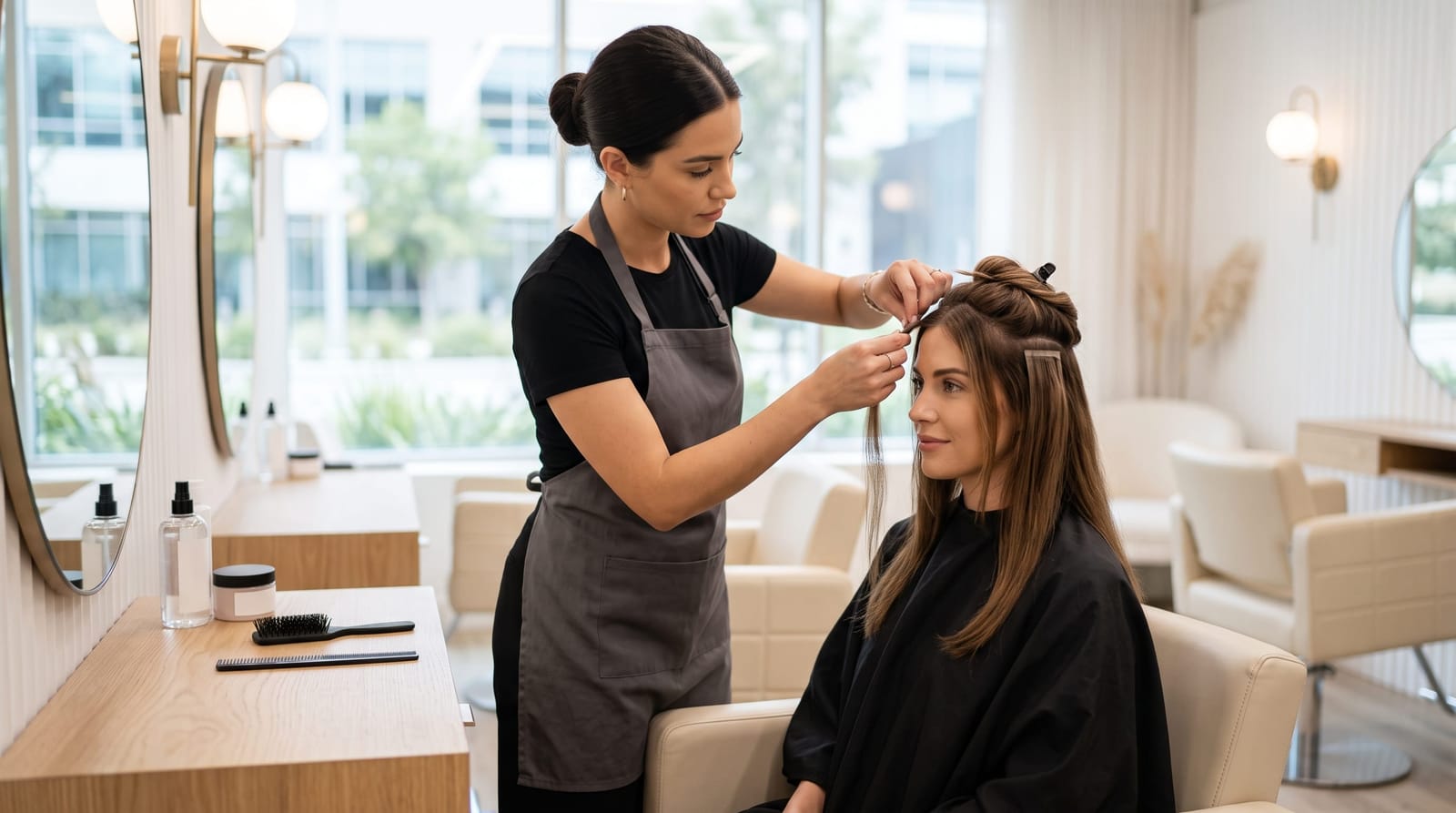
Tape-in extensions use pre-cut wefts with a thin, medical-grade adhesive strip along the top edge. Your stylist sandwiches a thin section of your natural hair between two tape tabs, one above, one below, creating a flat, nearly invisible bond close to the scalp. The result is a seamless blend that sits flush against the head. Installation typically takes one to two hours depending on how many wefts are applied, making tape-ins one of the faster professional extension methods available. For a thorough look at what makes sew in hair extensions unique in comparison, that breakdown is worth reading alongside this one.
Sew-In Extensions
Sew-in extensions, also called weaves, involve braiding your natural hair into cornrows close to the scalp and then literally sewing wefts of extension hair onto those braids using a needle and thread. No heat, no glue, no adhesive. The braids act as an anchor. This method has deep roots in textured and natural hair communities and is known for its security and longevity when installed correctly. Installation takes considerably longer, often three to five hours or more depending on the style and the amount of hair being added.
Installation Time and Lifestyle Fit
For the professional woman with a packed schedule, time in the salon chair is a real consideration, not just for the initial install, but for every appointment that follows.
Tape-in extensions are among the most time-efficient professional extension methods. A full install typically takes one to two hours. Move-up appointments (where your stylist removes and reapplies the wefts as your natural hair grows) usually run about the same length. That's manageable to work into a lunch break or an early morning slot.
Sew-ins require a significantly larger initial time investment. Depending on the complexity of the braid pattern and the number of wefts, you can expect to spend three to five hours, sometimes more, at your first appointment. Removal and reinstallation follow a similar timeline. If your schedule runs tight, this is worth factoring into your decision early.
Verdict on time: Tape-in extensions are the more time-efficient choice for women with demanding schedules.
Longevity and How Often You'll Need Maintenance
Both methods require regular upkeep, but the frequency and nature of that maintenance differ meaningfully.
Tape-In Maintenance Schedule
Tape-in extensions generally need to be moved up every six to eight weeks. As your natural hair grows, the adhesive bonds shift away from the scalp, and the wefts need to be removed, the adhesive refreshed or replaced, and the extensions repositioned. The wefts themselves can often be reused multiple times if they're properly cared for, which helps offset the ongoing cost. Knowing how to care for your extensions between appointments, including understanding the nuances of sleeping with tape in extensions: plays a big role in how long each set lasts.
Sew-In Maintenance Schedule
Sew-in extensions typically last six to eight weeks as well before needing attention, though some women stretch them to ten weeks. However, the braids underneath still require scalp care and moisturizing throughout that period. Natural hair continues to grow and shed under the braids, which can create tension over time if the style isn't monitored. Regular scalp care between appointments is essential, especially for women with finer or more fragile natural hair.
Verdict on longevity: Comparable lifespan between appointments, but tape-ins offer simpler between-appointment maintenance for most hair types.
Damage Risk and Hair Health Considerations
This is often the most important factor for women who prioritize the health of their natural hair, and it deserves an honest, nuanced answer.
Tape-In Extensions and Hair Health
When applied and removed correctly by a trained stylist, tape-in extensions carry a relatively low risk of damage. The adhesive bonds are gentle compared to heat-bond methods, and the flat, lightweight design distributes weight evenly across sections of hair rather than concentrating stress at a single point. That said, improper removal, pulling, peeling, or using the wrong adhesive remover, can cause breakage. Following your stylist's aftercare guidance closely makes a significant difference here.
Sew-In Extensions and Hair Health
Sew-ins are often praised for protecting natural hair because the extension hair absorbs daily manipulation, heat, and environmental stress while your natural hair is tucked safely underneath. However, the braids can create significant tension at the scalp, particularly around the hairline, if the braids are installed too tightly. Over time, repeated tension in the same areas can affect the hair and scalp. The key is working with an experienced stylist who understands how to create a braid pattern that's secure without being overly tight. Many natural hair communities favor sew-ins precisely because, when done well, they can act as a protective style, but technique matters enormously.
Verdict on damage risk: Both methods are low-risk when applied by a skilled professional. Tape-ins are generally more forgiving for finer hair types; sew-ins offer strong protection for textured and natural hair when installed correctly.
Scalp Comfort and Day-to-Day Feel
You'll be living with these extensions through workouts, long days at the office, and weekend plans, so comfort is more than a luxury consideration.
Tape-in extensions lie very flat against the scalp and tend to feel lightweight and natural once you've adjusted to them. Most women adapt within a few days. The bonds are small and discreet enough that they're virtually undetectable under hair, and there's minimal scalp pressure.
Sew-ins can feel noticeably tighter in the first few days after installation, particularly around the braid pattern. Some women find the initial tightness uncomfortable, and it can be difficult to reach the scalp for washing and moisturizing, especially with a full sew-in that leaves little to no natural hair exposed. Partial sew-ins (which leave some natural hair out at the top) tend to feel more comfortable and allow for easier scalp access.
For women who exercise frequently or have an active lifestyle, tape-ins typically allow for more freedom: you can wash your hair regularly, wear it up or down, and access your scalp more easily. Sew-ins require more intentional care to keep the scalp clean and moisturized through the style.
Verdict on comfort: Tape-ins offer a lighter, more comfortable day-to-day experience for most women, particularly those with active lifestyles.
Styling Versatility
How you wear your hair day-to-day matters, and not all extension methods give you equal flexibility.
Tape-in extensions blend seamlessly with your natural hair, which means you can wear your hair up, down, in a ponytail, or styled in waves and curls. The wefts are designed to move with your natural hair. The one styling consideration worth noting: high ponytails or styles that pull hair tightly back can occasionally make the bonds more visible along the nape if the wefts are placed close to that area. Your stylist can position them strategically to minimize this.
Sew-in extensions offer beautiful styling options within the extension hair itself, sleek, voluminous, curled, or straight, but the braid foundation underneath limits some updo styles depending on how visible the braids are. A full sew-in with a closure or frontal offers the most seamless appearance and styling range, while a traditional sew-in may show the braids with certain updos.
Verdict on styling versatility: Tape-ins allow for more natural, flexible styling across a wide range of everyday looks. Sew-ins with a proper closure or frontal can also offer great range but require more planning for updo styles.
Cost Comparison: What to Budget for Each Method
Understanding what you'll invest, both upfront and ongoing, is essential to making a sustainable choice. For a full breakdown of professional extension pricing and why quality matters, explore this guide to hair transformation cost and what to expect at a premium salon.
Tape-in extensions typically require purchasing the extension wefts themselves (which can often be reused for multiple applications) plus the cost of installation and move-up appointments. The upfront cost varies based on the number of wefts, the quality of the hair, and your stylist's pricing, but the ability to reuse wefts makes the ongoing cost more manageable over time.
Sew-in extensions often have a similar or slightly lower initial installation cost, but the extension hair wefts may not always be reused as easily depending on how they were sewn and the condition of the hair after removal. Installation appointments are also longer, which is reflected in service pricing at quality salons.
Both methods represent a meaningful investment. The more important cost consideration is whether you're working with a skilled stylist who can deliver results that protect your natural hair, because correcting damage from a poorly done install costs far more in the long run.
Verdict on cost: Both methods are comparably priced in the mid-to-premium range; tape-ins can offer better long-term value through weft reuse.
Related Details Worth Exploring
If you're narrowing down your decision, these resources go deeper on specific aspects of each method:
- Everything you need to know about daily care and nighttime protection: sleeping with tape in extensions, because how you sleep with your extensions affects how long they last.
- A full look at the sew-in method, who it's best suited for, and what to expect from the process: sew in hair extensions.
- Understanding realistic pricing before your consultation: hair transformation cost breaks down what quality extensions actually involve.
So, Which Method Is Right for You?
There's no universally superior option when comparing sew in vs tape in extensions: the right choice depends entirely on your hair type, lifestyle, and priorities. If you have fine to medium hair, a busy schedule, and want a lightweight, flexible look you can style freely day to day, tape-in extensions are likely your best fit. If you have textured or natural hair and want a longer-wear protective style with a secure hold, a well-installed sew-in may serve you beautifully.
The most important step either way? Work with an experienced, trusted stylist who takes the time to assess your hair and genuinely understands both methods. A great consultation makes all the difference. If you're ready to explore which option aligns with your hair goals, we'd love to talk through it with you: reach out to our team at Ilona R Style to schedule your personalized extension consultation.