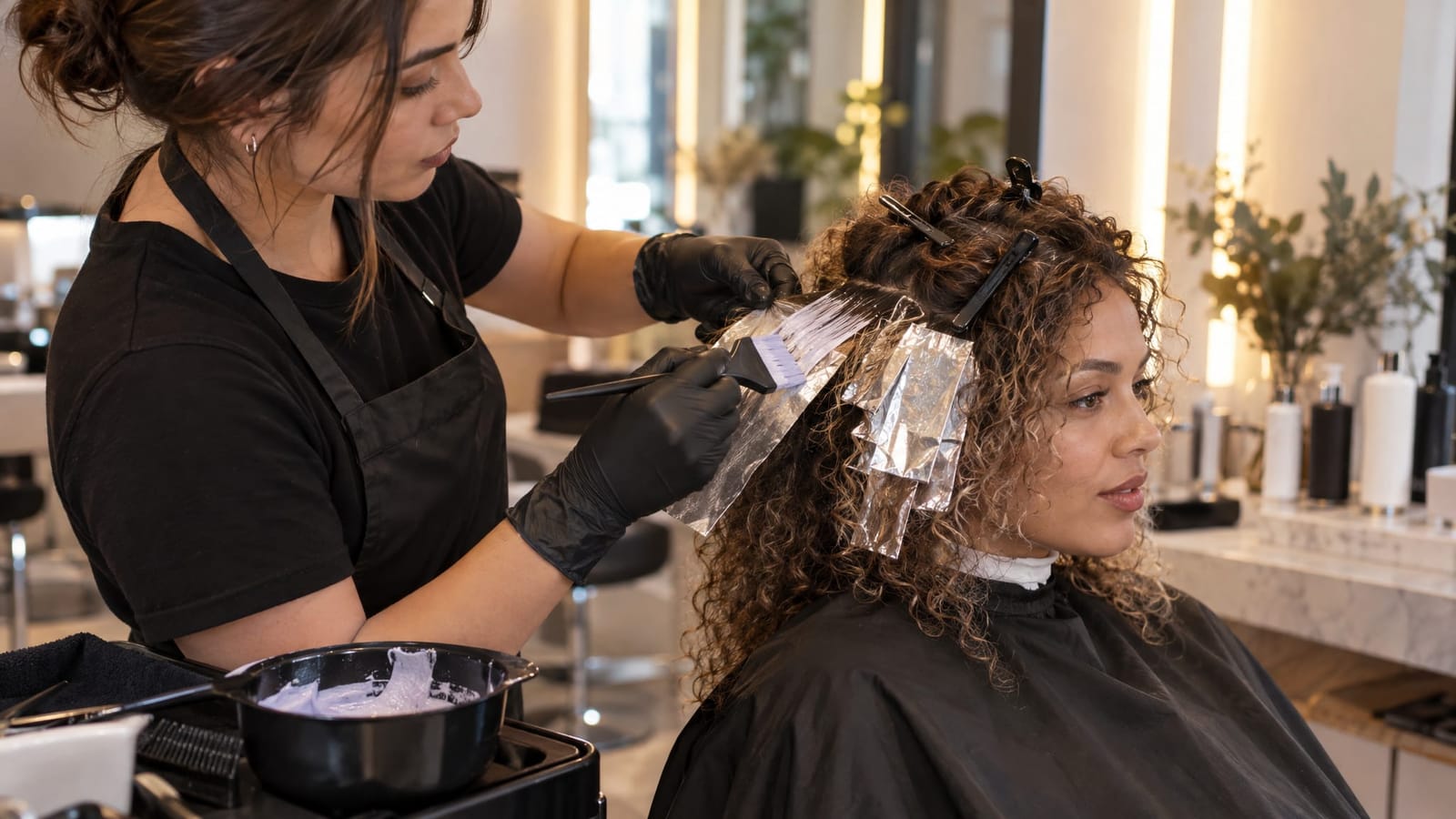
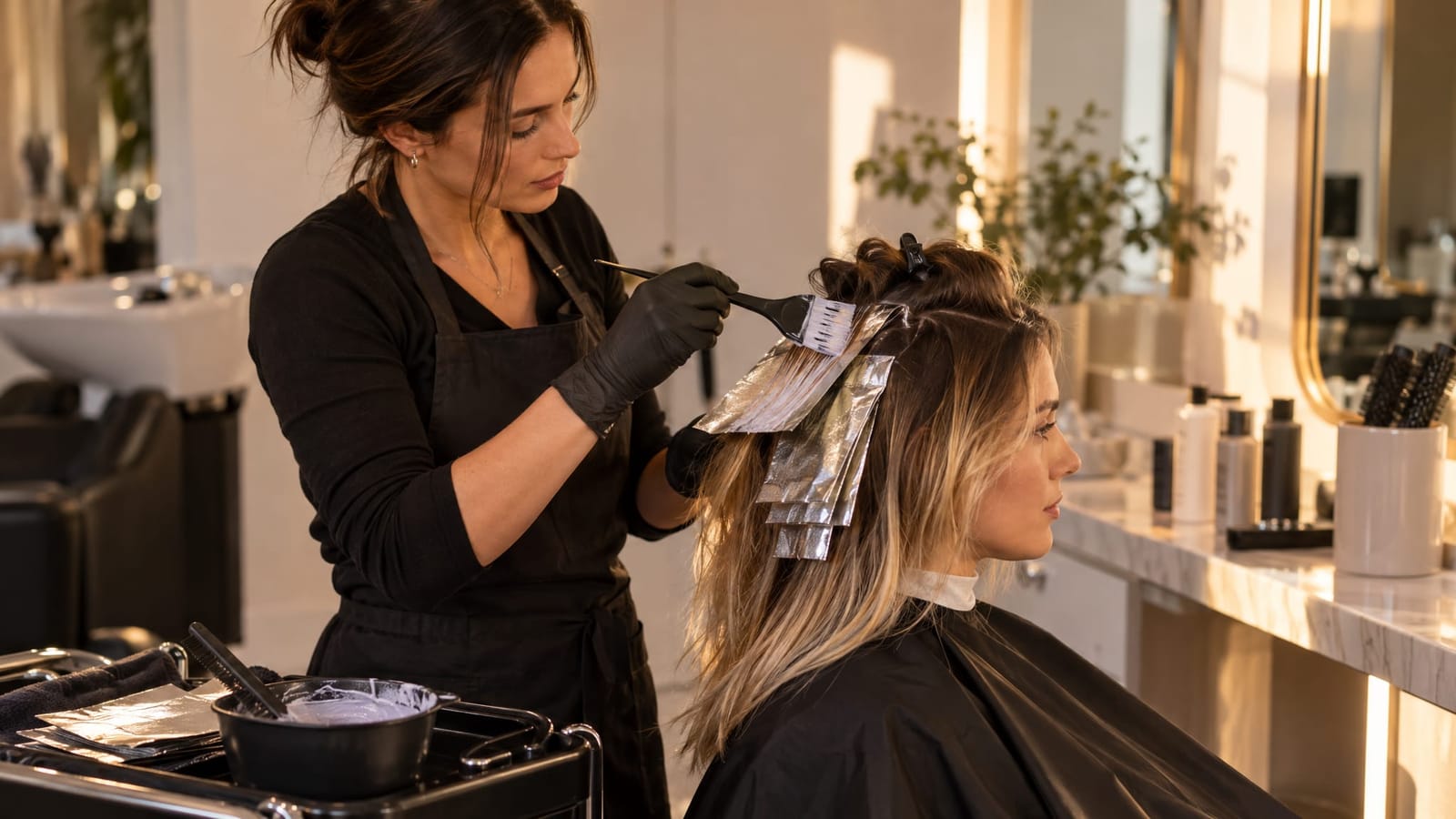
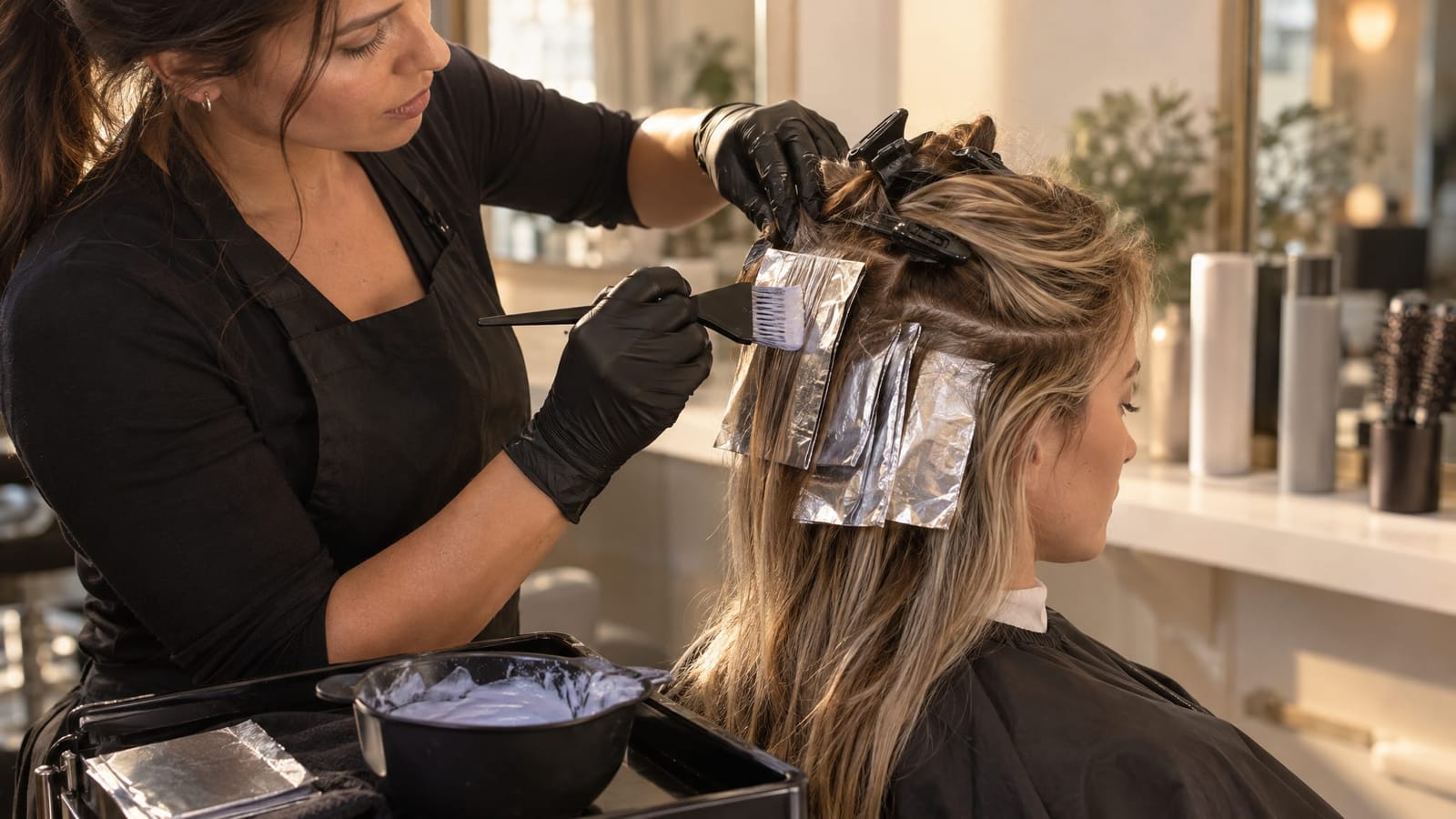
What Is Hair Color Correction? A Los Angeles Colorist Explains
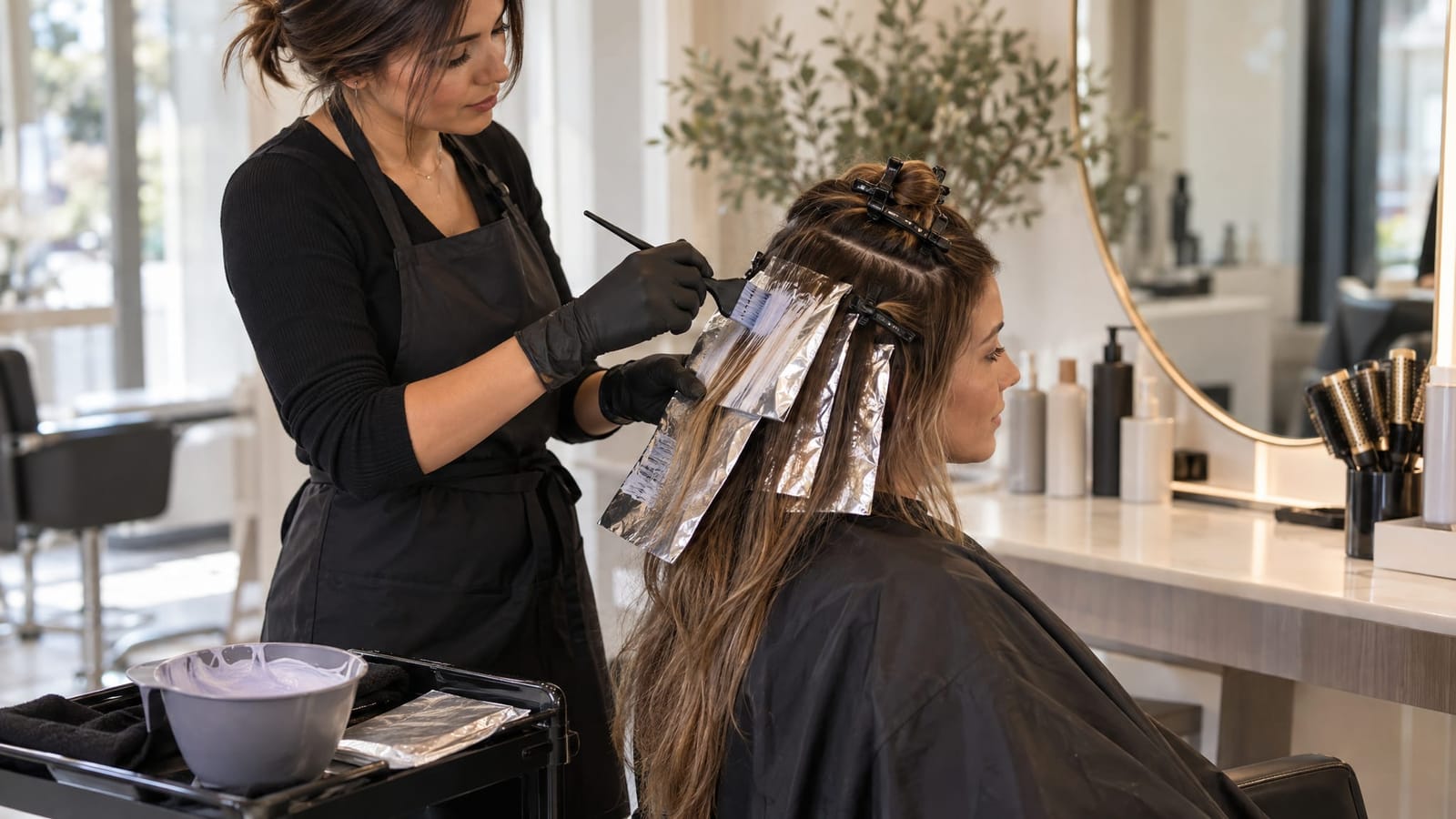
Hair color correction is a customized service that adjusts unwanted color, uneven tones, or conflicting shades throughout the hair. It can soften an overly dark result, address patchy highlights, rebalance brassiness, or create a path from previously colored dark hair toward a lighter shade.
Unlike a routine root touch-up, correction starts with a more complex question: what needs to change in each part of the hair to create a cohesive result? The roots, middle lengths, and ends may need different approaches.
A dark to light hair transformation is a useful example. Going lighter involves more than choosing a blonde shade, especially when darker dye has been applied repeatedly. Your color history, current condition, and preferred maintenance routine all influence the plan.
When Does Hair Color Need Correction?
Not every color change is corrective. Lightening uncolored hair or refreshing a faded shade may fit within a regular coloring service. Correction becomes relevant when existing color needs to be removed, redistributed, or balanced before the desired look can take shape.
Uneven color, patches, or visible bands
Color bands are noticeable differences between sections of the hair, such as lighter roots, a dark strip through the middle, and faded ends. Applying one formula everywhere does not necessarily resolve them. It can make some areas lighter while leaving others too dark.
Corrective work treats those sections according to their starting point, with the goal of making the overall color look connected.
Unwanted orange, yellow, or overly cool tones
Sometimes the hair is light enough, but the tone feels wrong. A toner or gloss can adjust the appearance of warmth or refresh a shade that has faded.
However, toning and lightening do different jobs. Toner is not a substitute for removing substantial dark pigment. If the desired result is much lighter, a tonal adjustment alone will not create it.
Color that looks too dark or heavily built up
Repeated dark color through the lengths can leave the ends looking denser and darker than the roots. Moving away from that result requires attention to where the artificial pigment is concentrated.
This is why applying a lighter shade over dark permanent dye generally does not produce the lighter color shown on the box. Existing artificial color changes the task.
Hair that is too light or missing depth
Correction also includes going darker. Very light hair may need warm pigment added back before a deeper shade is applied. This step, often called filling, helps build the foundation for a balanced brunette rather than a flat or overly cool result.
Why a Dark to Light Hair Transformation Takes Planning
Natural dark hair and hair colored dark can look similar while responding differently to lightening. Previously colored hair contains artificial pigment in addition to its natural pigment, and that color may be distributed unevenly.
As dark hair lightens, underlying warmth becomes visible. Red, orange, and yellow tones are part of that progression, not automatically evidence that something has gone wrong. The important distinction is whether the hair has reached a suitable lightness for the intended finished shade.
For example, someone with repeatedly applied dark brown color might want a cool, bright blonde. The first useful decision is whether the priority is overall brightness, a cooler appearance, or a softer transition around the face. Those goals can lead to different plans.
Dimensional brunette with lighter pieces is a different destination from an all-over blonde. It leaves depth in place and concentrates brightness selectively. A staged plan also gives room to reassess the hair’s condition before pursuing further lightening.
What to Expect During a Color Correction Consultation
At IlonaR Style, we offer private, one-on-one hair services in Marina del Rey, including color correction, blonding, and hair coloring. A useful consultation connects your desired look with your color history and the upkeep that fits your routine.
The most helpful information goes beyond the last color appointment:
- Color still present in the lengths: Include previous dark dye, highlights, lightening, and at-home color, even if they happened some time ago.
- Other chemical services: Share any smoothing or texture-changing treatments that remain relevant to the hair being colored.
- Your preferred finish: Bring images that show the depth, tone, and placement you like. Identify the specific feature that appeals to you.
- Your everyday styling: Explain whether you wear your hair curly, straight, air-dried, or frequently tied back.
- Your maintenance preferences: Consider how visible regrowth can be before it bothers you and how much ongoing color upkeep feels practical.
A strand test involves treating a small section to assess how it responds. It can help inform the choice of technique and the first appointment’s goal, although it does not guarantee an identical response throughout the head.
Thoughtful hair consultation preparation makes it easier to discuss the difference between your preferred final color and a worthwhile first-stage result.
What the Correction Process Can Involve
Color correction is not one fixed treatment. The work depends on whether the main issue is excess darkness, uneven lightness, unwanted tone, or missing depth. We offer services including highlighting, balayage, bleach and tone, toner or gloss, and conditioning treatments, each with a different role.
Addressing the areas that need change
For previously colored dark hair, the plan may involve reducing artificial pigment, selectively lightening certain areas, or combining techniques. Darker bands and already-lightened ends need different consideration. Treating the entire head identically can increase contrast rather than resolve it.
For an overly light result, the work moves in the opposite direction: restoring pigment and adding depth where needed.
Balancing the finished shade
Once the underlying lightness is suitable, toner or gloss refines the color. This is where a result can move toward beige, golden, neutral, or cooler-looking tones within the limits of the starting shade.
Depth at the root or between lighter pieces also affects the overall appearance. A cohesive transformation does not require every strand to be equally light.
Considering condition alongside color
Previously lightened sections deserve particular attention during further processing. A correction plan needs to account for their condition, not just their shade.
Conditioning treatments support softness and manageability, but they do not make unlimited lightening possible. Preserving wearable texture and a manageable finish remains part of a successful correction.
What Results Are Realistic?
A successful first appointment might mean more even color, softer contrast, or noticeable brightness rather than the lightest shade in an inspiration photo. Establishing that priority in advance makes the result easier to evaluate.
For a substantial change, the number of color correction sessions depends on the existing pigment, previous processing, current condition, and intended destination. Some corrections primarily need tonal balancing. Others require staged work because different sections respond at different rates.
It also helps to distinguish between these outcomes:
- Looking lighter overall: Strategically placed brightness can change the impression of the hair while retaining darker areas.
- Becoming uniformly blonde: This requires a broader change across the hair, including darker sections that might otherwise remain untouched.
- Looking less warm: Tone adjustment changes the color’s appearance, but it does not necessarily make the hair lighter.
Reference photos work best as direction, not a promise of an exact match. Lighting, styling, and the starting color all influence how a shade appears.
What Determines Hair Transformation Cost?
Color correction cost reflects the work involved, not simply the name of the final shade. Relevant factors include the amount of hair, the distribution of existing color, the number of separate applications, and whether the transformation is completed in stages.
A useful estimate distinguishes the first appointment from the complete color goal and ongoing maintenance. It also clarifies which services are included, such as toning, conditioning, cutting, or finishing. Two people seeking a similar blonde can need substantially different work to get there.
Keeping the Finished Color Wearable
Maintenance belongs in the original color decision. A brighter all-over blonde generally creates a more visible contrast with dark regrowth than a look that retains depth near the roots. A softer root transition reduces that contrast, but it does not eliminate the need for upkeep.
At home, gentle detangling, regular conditioning, and avoiding unnecessary heat help maintain manageability. Toning shampoos are best understood as tools for specific unwanted tones, not a universal requirement for blonde hair. Overuse can leave the color looking dull or overly cool.
Texture matters, too. With curly hair coloring, placement needs to make sense when the hair sits in its natural pattern, not only when it is blown smooth. We specialize in curly hair, so the relationship between color, shape, and everyday styling is especially relevant.
The most useful transformation plan identifies a flattering destination, a realistic first step, and maintenance that fits your life. Color correction is about bringing those pieces together, not simply making the hair lighter at any cost.