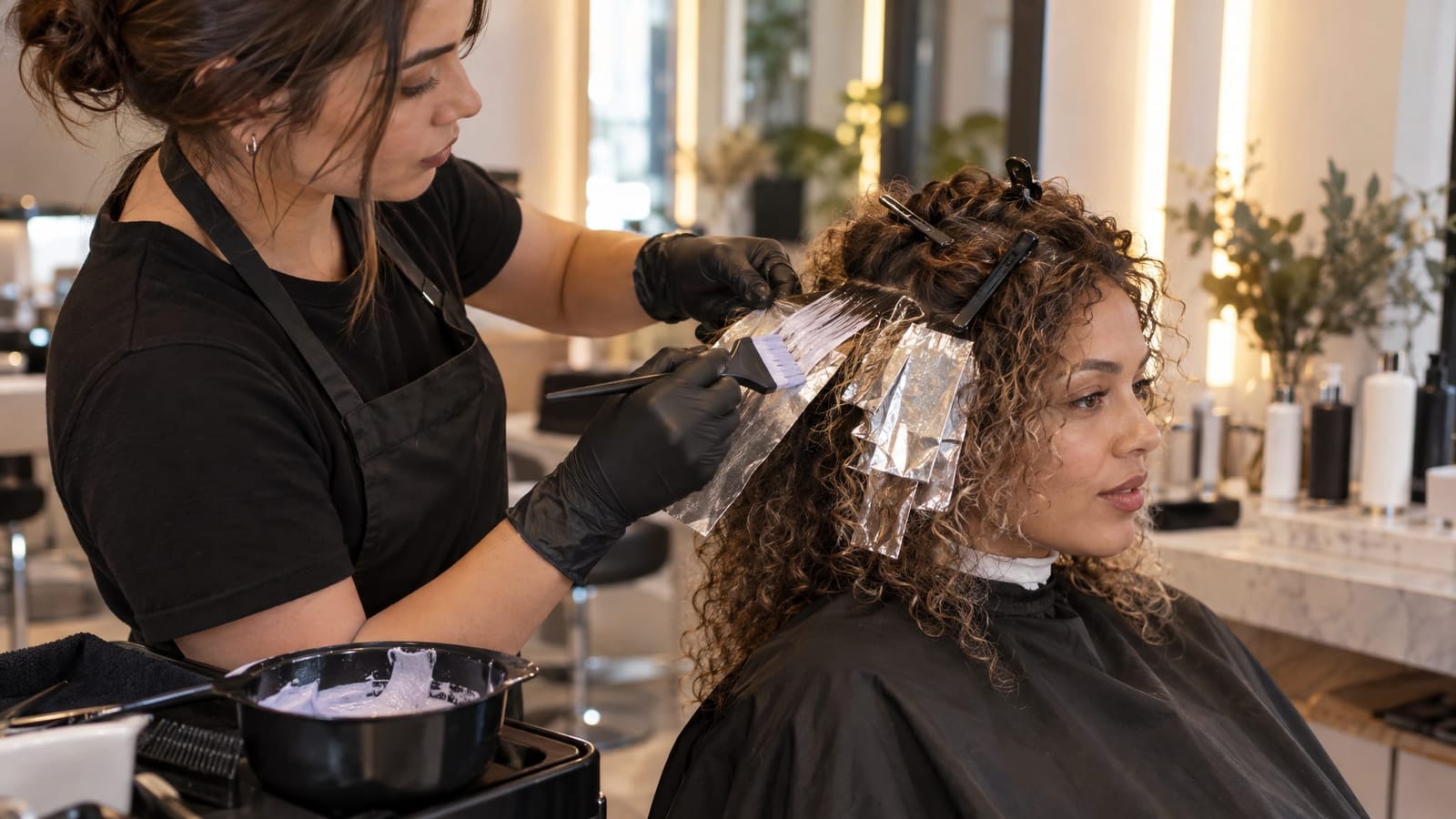
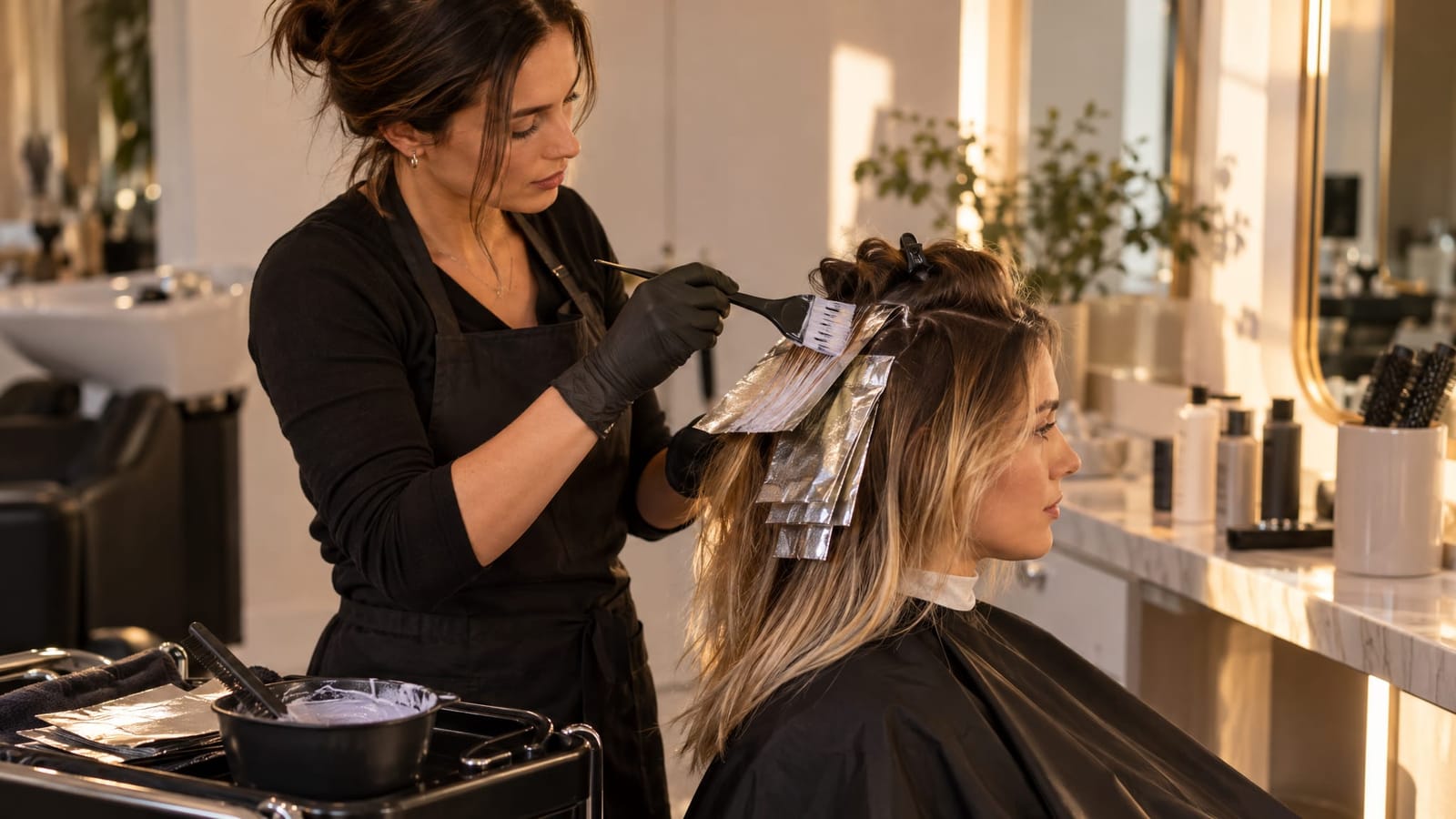
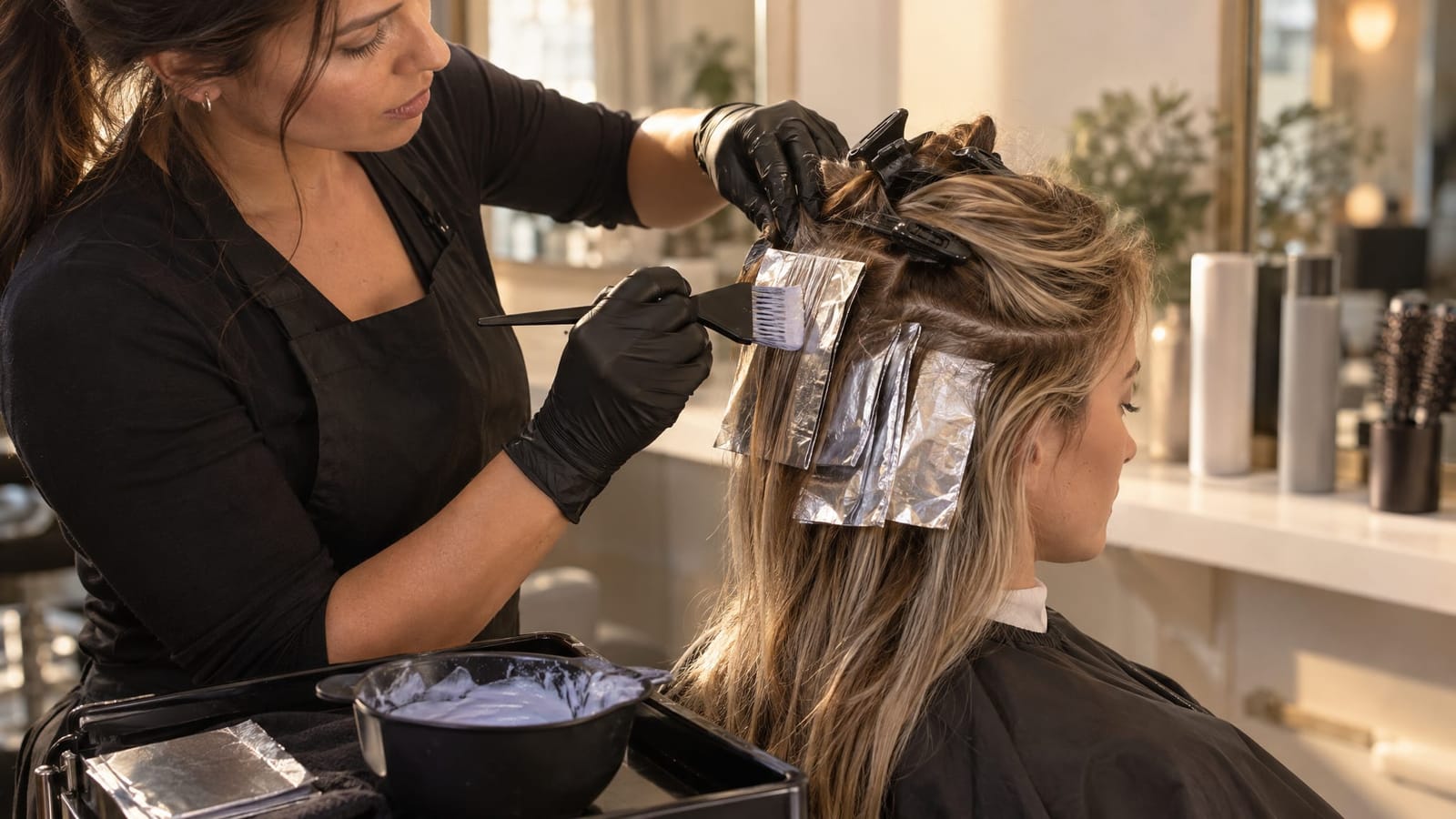
What Is Ombre Hair? How It Differs from Balayage and Color Correction
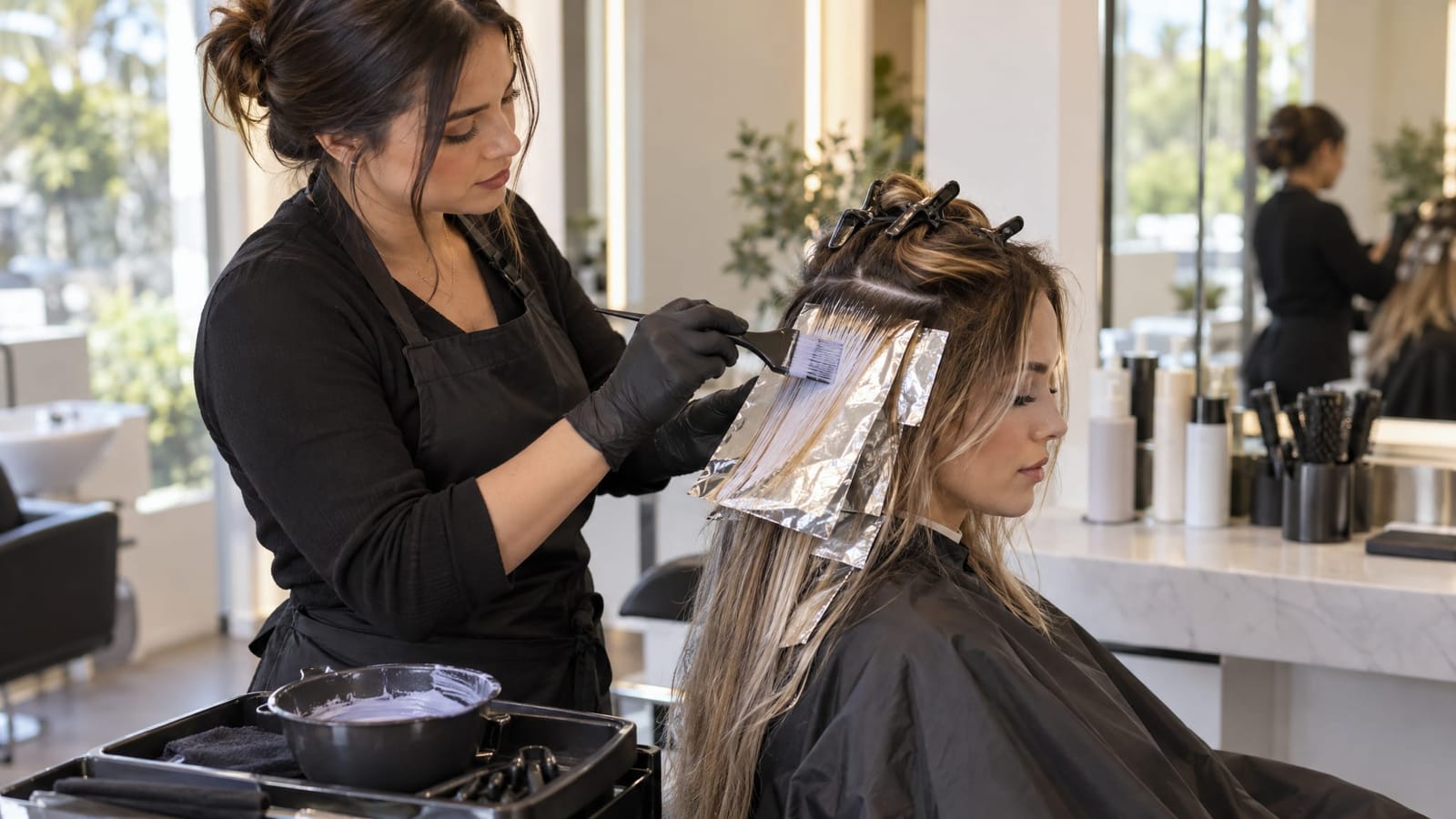
Ombre hair is a color effect that transitions from darker roots to lighter ends, with a blended middle connecting the two. It offers a way to enjoy lighter hair while keeping depth near the face and scalp. The contrast can be subtle, such as brunette fading into caramel, or more pronounced, with dark roots and blonde ends.
The key distinction is that ombre describes the finished look, balayage describes a color-placement technique, and color correction addresses an existing color problem. Full lightening has a different goal again: making most or all of the hair lighter. At IlonaR Style in Marina del Rey, we offer ombre, balayage, blonding, and color correction, allowing the approach to follow your starting color and desired result.
Ombre, Balayage, and Full Lightening Compared
These options are not mutually exclusive. Hand-painted balayage placement can help create an ombre effect, and an ombre appointment can include corrective work. Comparing their purpose is more useful than treating them as completely separate techniques.
| Option | Main purpose | A good match when |
|---|---|---|
| Ombre | Create a darker-to-lighter progression, with brightness concentrated toward the ends. | You want to retain a darker upper section while making the lengths visibly lighter. |
| Balayage | Hand-paint selected sections for varied ribbons of light and depth. | You prefer scattered brightness rather than a stronger gradient toward the ends. |
| Full lightening | Lighten most or all of the hair, rather than concentrating on selected areas. | You want an overall lighter identity, including brightness close to the roots. |
| Color correction | Address unwanted tone, unevenness, or previous color that interferes with the intended result. | Your existing color needs adjustment before or while creating a new look. |
For an all-over dark to light hair transformation, bleach and tone is another useful distinction: lightening creates the lighter base, while toner refines its shade. That process is not automatically color correction, although previously colored hair can make the work more complex.
Is Ombre a Gentler Way to Go Lighter?
Ombre can be a gentler entry point in terms of the visual change and the amount of hair selected for lightening. When natural roots remain untouched, the appointment does not involve lightening every strand from scalp to ends. The darker upper section also makes new root growth less conspicuous than it would be against an all-over blonde.
That does not mean ombre is automatically less demanding on the hair being lightened. The ends still need careful consideration, especially when they have already been bleached or repeatedly colored. A dramatic dark-to-platinum ombre can require substantial work despite leaving the roots dark.
For example, a brunette choosing caramel ends is asking for a different degree of lightening than someone choosing pale, cool blonde. The target shade and color history matter more than the service name alone. A substantial change may need staged appointments rather than one session.
When Ombre Becomes a Color Correction
A new ombre look does not necessarily require correction. Corrective work enters the picture when the existing color prevents a smooth transition or has an unwanted finish.
- A harsh horizontal line: When a soft blend was intended, an abrupt division between dark and light needs adjustment through the transition area.
- Uneven lightness: Pale patches beside darker sections need a targeted approach, rather than the same formula applied everywhere.
- Bands from previous color: Layers of old dye can leave distinct darker areas through the lengths.
- An unwanted tone: Ends that look too orange, yellow, or cool for the intended result need a tone assessment, alongside an assessment of their lightness.
Warmth alone does not make ombre unsuccessful. Honey, copper, and caramel can be intentional choices. The question is whether the shade matches the plan and whether the transition looks cohesive.
Toner adjusts the character of an existing shade, but it is not a substitute for lightening a dark band. Sometimes correction means adding depth to overly light areas rather than making every section lighter. That distinction helps keep the final look balanced without treating all the hair as though it has the same starting point.
Choosing Your Look and Understanding the Appointment Scope
Our private, one-on-one salon setting allows the conversation to focus on how the color will work with your cut, texture, and routine. Four details make an ombre plan more specific:
- Where the transition starts: Brightness confined to the ends preserves more depth. A transition beginning higher through the lengths creates a more noticeable change.
- How light the ends become: Reference photos showing both the root shade and the ends communicate contrast more clearly than the word “blonde.”
- What is already on the hair: Previous permanent color, home dye, highlights, and lightening affect the approach, even when those services happened some time ago.
- What maintenance you want: Keeping natural roots reduces the need to refresh that area. Coloring the roots for a different shade or coverage creates a separate maintenance commitment.
Appointment scope also shapes hair transformation cost. Creating a modest gradient on previously uncolored hair is different from correcting bands, carefully working around pale ends, and refining several tones. A useful service plan separates the initial transformation from later root color or tone refreshes, rather than treating “ombre” as one fixed amount of work.
Common Questions About Ombre Hair
Can ombre work on short hair?
Yes, although shorter hair leaves less space for a gradual transition. On a bob, the blend needs to fit the cut so the lighter area looks intentional rather than like a stripe across the ends.
Does ombre suit curly hair?
Yes. Placement needs to account for how curls sit when dry, because bends and curl groupings change where brightness appears. Reference photos with a similar curl pattern are more useful than photos showing only straightened hair.
Can I grow out ombre without returning to one solid color?
Yes. When the roots stay natural, the lighter section gradually moves lower as the hair grows and is trimmed. Tone can still change between visits, so growing out the placement and maintaining the shade are separate decisions.
Choose the Color Pattern, Not Just the Name
Ombre keeps depth above and concentrates light below. Balayage offers more varied placement, while full lightening changes the overall base. Color correction is the additional work needed when existing color stands in the way. The most useful choice connects that distinction to your hair history, preferred contrast, and everyday styling routine.